Preheat the air fryer. Preheat your air fryer to 250°F. This may not always be necessary. It depends on your air fryer. I don’t usually preheat mine and I end up with the same results, but it’s best to read your air fryer manual for best instructions.: The initial scent in the basket is faint warm metal and a soft hum as the unit reaches 250°F . You may notice a subtle change in the sound of the fan as the elements settle into temperature, and that steady hum is a good sign you can move on. Preheating can help stabilize the cooking environment for more predictable results, though some fryers perform fine without it, which is why I sometimes skip it. A common mistake is assuming all air fryers heat the same, so if yours runs hot, reduce time slightly to prevent overcooked yolks.
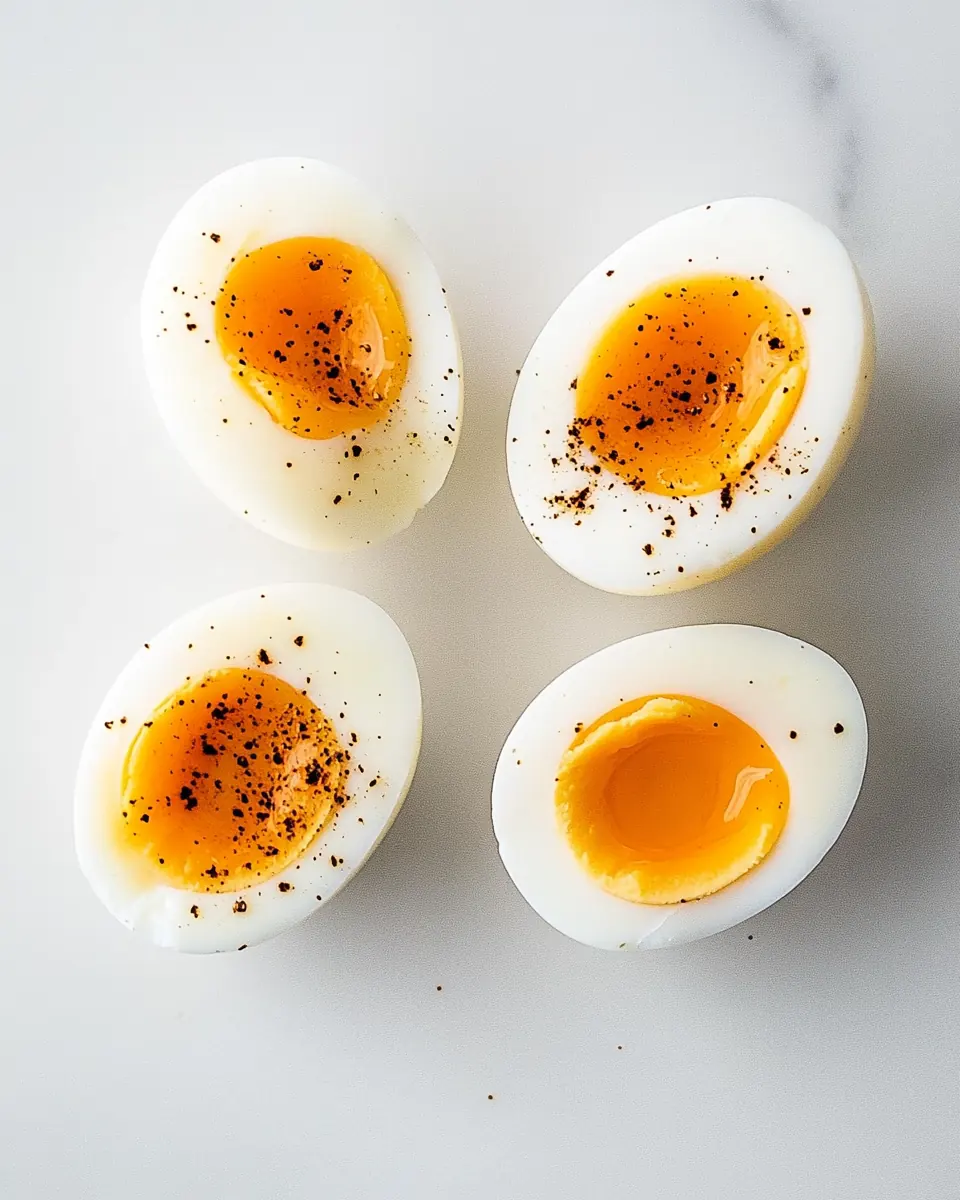
Hard boil the eggs. Gently place the eggs in the air fryer basket. Set the timer to 13 minutes for softer boiled eggs or 15-17 minutes for hard boiled eggs. The time could vary from air fryer to air fryer.: When you place the eggs in the basket, you feel the light clink as shells touch, and then the air fryer begins to circulate dry hot air that gently cooks them. The aroma is subtle, almost neutral, unlike the sulfuric scent you sometimes get from boiling. This method creates even whites and creamy yolks when timed correctly, because the dry heat sets proteins consistently. Avoid crowding the basket, because eggs need air circulation to cook evenly; crowding can make edges cook faster than centers. If your eggs crack during loading, they may leak and create a cleanup issue, so place them carefully.
Cool the eggs and peel. Transfer the eggs to a bowl with ice water and let them sit for 5 minutes. Doing this stops the eggs from cooking further. After 5 minutes peel and enjoy!: Dropping the eggs into an ice bath brings a refreshing hiss and an immediate halt to residual cooking, preserving yolk texture. The ice bath also helps the inner membrane contract, making shells easier to remove. When peeling, you might hear gentle scraping sounds as the shell comes away in pieces; that tactile feedback lets you know you are doing it right. A common pitfall is skipping the chill step, which often results in overcooked, dry yolks and shells that cling stubbornly to the white.