Preheat oven to 325º.: As the oven warms, you will notice a faint hum and the steady build of heat that sets the scene for baking. The precise oven temperature ensures the cake cooks gently so the center bakes through without the exterior overbrowning. Preheating is essential because a cold oven can cause uneven rise, leaving the interior underdone. A common mistake is skipping preheat to save time, which compromises texture. Check your oven thermometer to confirm accuracy and allow the oven to reach the full temperature so the batter begins rising immediately once it goes in.
Grease and flour tube or Bundt pan. Set aside.: Coating the pan creates a thin barrier so the cake releases cleanly, which matters for presentation. Rub the pan with fat, then dust with flour , tapping out excess until the surface looks evenly coated. You should hear a slight scrape when you run a finger along the surface, indicating coverage. Failing to fully grease or flour pockets on ornate Bundt pans is a frequent slip, resulting in torn edges when you unmold. For stubborn pans, a quick parchment disc in the center can help, but usually the grease and flour method is sufficient.
Combine oil, sugar, eggs, and vanilla. Beat until well combined.: When these ingredients come together the batter tastes sweet, rich, and aromatic even before the dry goods arrive. Beat them until well combined so the sugar integrates and the eggs slightly aerate the mixture, yielding a lighter texture. The mixture should look glossy and smooth, with tiny ribbons when you lift the beater. Avoid over beating which can incorporate excess air and lead to cracking or a coarse crumb. If the mixture looks curdled, continue beating briefly to smooth it out, room temperature eggs help this process.
Whisk together the dry ingredients in a bowl, then add to the sugar mixture, and stir until just combined.: Mixing the flour , baking soda , salt , and cinnamon together distributes leavening and spice evenly. When you fold these into the wet mix, use a gentle hand to avoid overworking gluten, which can make the cake tough. Stop when streaks of dry ingredients disappear and the batter looks homogeneous. It is normal for the batter to be fairly thick, and small lumps are okay. Over mixing at this stage is the classic error that produces a dense result rather than a tender crumb.
Add apples and nuts, if using. Stir until well combined.: The sight of glossy pieces of apple folding into the batter is one of my favorite moments; they glint and promise pockets of juice. Mix until just distributed, ensuring the fruit pieces are evenly suspended so they don’t sink. If your pieces are too large, they may create tunnels in the crumb, so keep them bite sized. A common issue here is adding fruit that is wet or oozing juice; pat the pieces dry to prevent extra moisture from loosening the batter excessively.
Spoon mixture into prepared pan. Even out top with a spatula or knife.: As you transfer the batter, listen for the slight thud as it lands in the pan. Use a spatula to level the surface and remove large air pockets, but do not tap the pan excessively or you will cause fruit to sink to the bottom. The batter should fill the pan about two thirds to three quarters full depending on your pan size. Overfilling is an easy mistake and leads to overflow and irregular shape, so leave room for rise. A few gentle lifts and a smoothing motion will give an even top that bakes to a beautiful crust.
Bake for 60-75 minutes or until a toothpick inserted in a few places comes out clean.: During baking you will notice the aroma deepen and the top taking on a golden brown hue. The baking time varies with oven and pan material, so begin checking at the earlier time. Insert a toothpick near the center and in a couple of apple dense spots to ensure doneness. The cake should spring back slightly when pressed and not wobble in the middle. One common mistake is relying on color alone; the center can be underdone even if the top looks done. Tent with foil if the top browns too quickly to allow the center to finish.
Cool for 10-15 minutes, then remove to a wire rack to finish cooling.: Cooling in the pan lets the structure set so the cake does not collapse when unmolded, yet waiting too long makes release harder. You will smell a concentrated mix of spice and apple as it rests. After the brief rest, invert onto a wire rack; if it resists slightly, tap the pan edges to release. Leaving it in the pan for too long can make the crust stick and tear, so aim for the window of 10 to 15 minutes for best results.
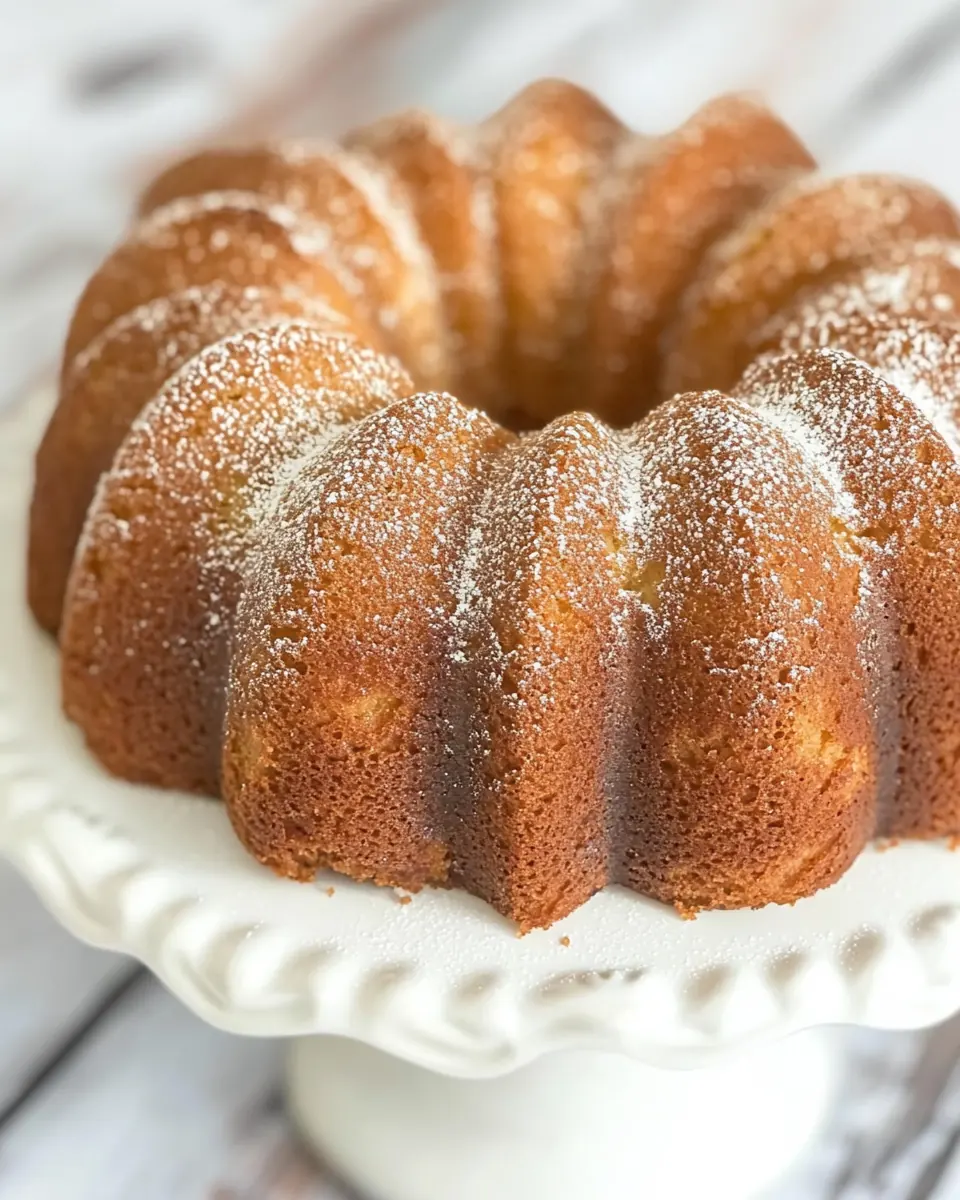
Place on a serving plate to cut and serve.: Transferring the cake to a serving plate lets you present the ring intact and slice clean portions. The texture should be tender but sliceable, with flecks of apple visible in each piece. Allow the cake to cool sufficiently or you risk the slices falling apart, but a slightly warm slice is heavenly. A final misstep is cutting too soon which results in crumbs and a messy presentation, so patience pays off here.