Preheat oven to 400°F. Line a cookie sheet with parchment paper or silicone baking mat.: When the oven builds heat you will notice a steady hum and a rising warmth, which primes the air to create a crisp crust; preheating ensures the bottom of the galette begins to set the moment it hits the sheet, preventing a soggy base. I often feel the oven door warmth and smell a faint dry heat before I open it, that is the cue it is ready. A common mistake is skipping preheat, which leads to uneven baking and a limp crust, so always give the oven time to reach the full temperature.
Stir together brown sugar, cinnamon and nutmeg. Set aside.: The smooth surface eliminates sticking and promotes even browning under the crust, and you will hear a slight rustle as you smooth it down; parchment also makes cleanup effortless. Lining prevents the caramelizing sugars from bonding to the pan, which could cause tearing when you remove the galette. Avoid placing the galette on an unlined pan, which can make transferring and cleanup more difficult.
Slice apples 1/16-inch (1 mm) thick. Place in a large bowl and toss with lemon juice and sugar mixture.: As you mix these dry spices and brown sugar , inhale the warm, spicy aroma that signals your filling is coming together; the sugar will coat the spices evenly, ensuring each bite has balanced sweetness and warmth. This blend helps draw juices from the sliced apple while providing caramel notes as it bakes. One mistake is adding the sugar mixture too late, which can leave pockets of dry sugar rather than an integrated filling.
Roll out pie crust to a 12 or 13-inch circle and place on prepared baking sheet.: Letting the sugar and spice mix rest briefly allows the aroma to marry, and it keeps the assembly fluid since you will add it directly to the apple slices; a short pause also gives you time to tidy your workspace. This small pause keeps the process organized and ensures you do not overwork the dough by rushing. Do not leave the mixture uncovered near moisture, which could cause clumping.
Arrange the apples (without any juices) in the center of the pie crust circle, leaving a 2-inch border.: Thinly slicing the apples results in delicate, tender layers that meld into a cohesive filling; when they are cut paper thin, you can fan them and see light through each slice, which is the cue you are at the right thickness. This thinness allows the sugar to penetrate and the heat to soften the fruit quickly. A common error is slicing too thick, which leaves undercooked, firm pieces in the center.
Fold up the edges gently and place over the pears, overlapping as necessary. Brush with egg wash.: As you toss, the citrus will gleam on the apple surface and a subtle syrup will begin to form, carrying the spices into every slice; the sound is a soft clink of fruit against metal, and the smell becomes brighter with citrus and warm spice. This step helps distribute flavor and prevents browning, ensuring uniform taste across slices. Be careful not to mash the slices while tossing, which can create an overly wet filling.
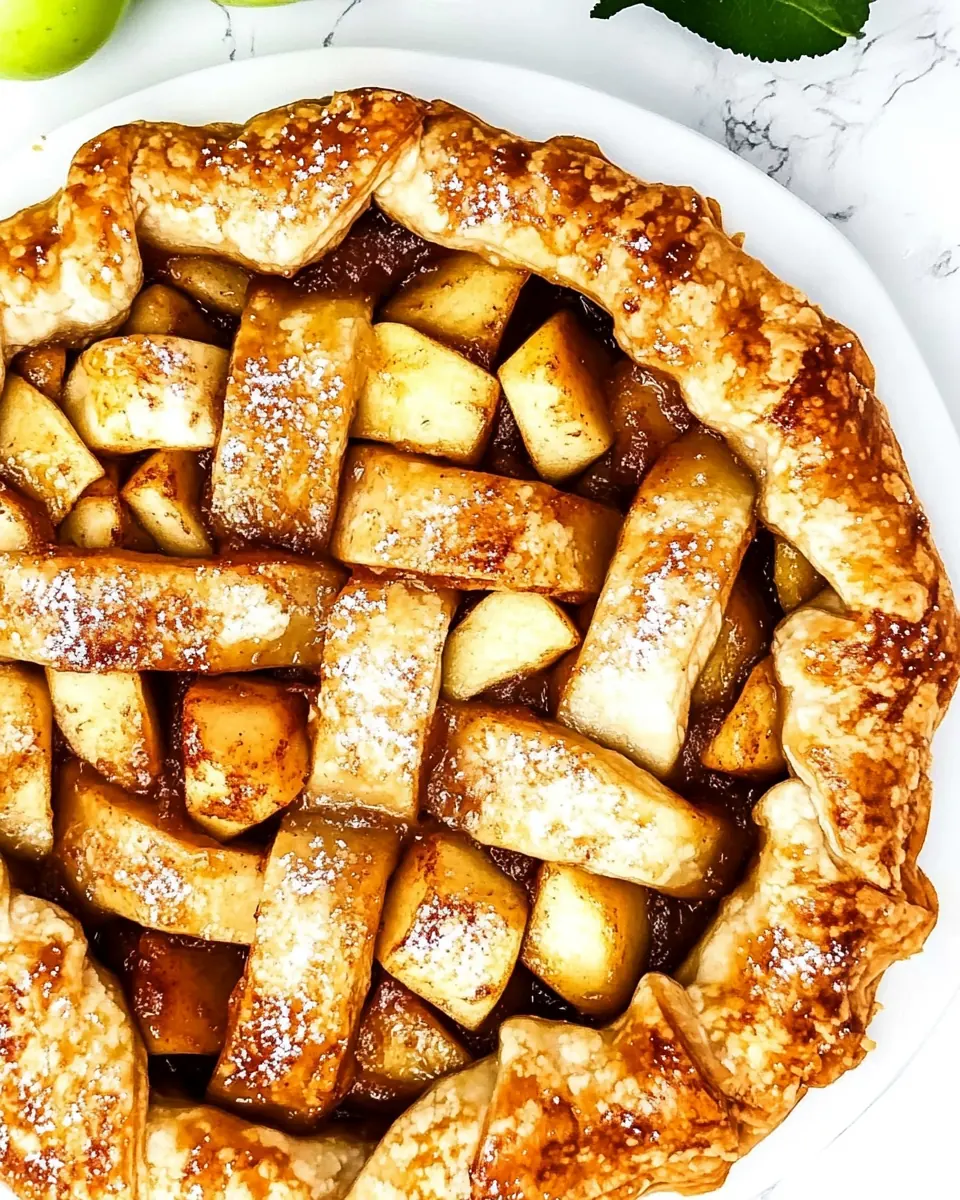
Bake 28-32 minutes, or until golden. Let cool to room temperature before serving.: Rolling to a generous circle gives you enough dough to fold up around the filling, and you should see a smooth, even surface with faint flour dusting. Chilled dough rolls more cleanly, and you will feel the resistance ease as the butter layers align; that tactile feedback lets you know when to stop rolling. A frequent problem is overworking the dough, which develops gluten and leads to a tough crust.
Serve room temperature or warmed, plain or with ice cream. Store in refrigerator. Can be frozen for up to 2 months.: Transferring the dough to the lined sheet, you notice the cool dough warming slightly against the tray, which is fine; position it centrally so heat circulates evenly. The sheet steadies your galette for easy filling, and lining avoids sticking. Avoid stretching the dough when moving it, which can distort the shape and affect baking.
Arrange the apples without any juices in the center of the pie crust circle: Layer the thin apple slices in overlapping concentric rings, leaving visual gaps that will collapse into a jam like center as juices release; remove excess pooled juice with a spoon so the crust does not become soggy. The filling will glisten as you build the pattern and the cinnamon aroma will rise. The pitfall here is adding the juices, which can saturate the dough and prevent a crisp edge.
Leave a 2-inch border: A clear margin gives you room to fold and creates a sturdy rim that browns beautifully; you will feel the dough edge as you gather it up, and that thicker border becomes the most texturally satisfying part when baked. This edge traps the filling slowly so it sets rather than spilling everywhere. Folding with too narrow a border can lead to overflow and uneven baking.
Fold up the edges gently and place over the pears, overlapping as necessary: As you bring the edge toward the center, use light, deliberate folds to create a rustic enclosure; the tactile feedback is soft resistance as layers meet, and overlapping secures the filling. This gentle sealing keeps juices contained while allowing steam to escape. Avoid pressing too hard, which compresses the crust and inhibits flakiness.
Brush with egg wash: Brushing the rim with the egg wash adds a glossy, deep brown finish; the sheen transforms the pale dough into a bakery style surface and creates a slight crispness as the proteins set. The brush makes a satisfying soft brushing sound as it moves over the crust. A common oversight is over applying, which can pool and burn, so aim for an even thin coat.
Bake 28 to 32 minutes, or until golden: During baking you will see steam escape and the crust develop a warm amber color, and the filling will bubble gently in the center; the scent of caramelizing brown sugar and spiced apple fills the kitchen. This timing lets the apples soften and the crust become flaky while keeping the filling cohesive. Opening the oven early can cause heat loss and uneven bake, so wait until the end of the time window before checking.
Let cool to room temperature before serving: Cooling lets juices thicken so slices hold together, and the flavors meld into a balanced profile; the galette loses some steam and firms slightly, which improves slicing. Patience here ensures neat portions and a safer serving temperature. A mistake is cutting too soon, which causes runny slices and a messy plate.
Serve room temperature or warmed, plain or with ice cream: When served, the contrast of a warm slice with cold ice cream is delightful, and you will hear the soft fork scrape through the crisp edge and into the tender center. Warming brings back the aroma, while room temperature highlights texture. Avoid reheating at too high a temperature, which can dry out the crust.
Store in refrigerator: Refrigeration extends life while preserving the filling; wrap tightly to prevent moisture loss and to protect the crust from absorbing fridge odors. Chilled slices are fine for several days and reheat well at low oven temperatures. Do not leave the galette at room temperature for extended periods, which risks spoilage.
Can be frozen for up to 2 months: Wrapped and sealed, the galette freezes well and can be revived in a moderate oven until crisp; freezing is convenient for make ahead plans. Proper wrapping prevents freezer burn and preserves flavor. Avoid freezing without a barrier, as this causes texture degradation and icy pockets.