Heat water to boiling. Place 2 tea bags in boiling water and let steep for 5 minutes. Remove tea bags and let water cool.: Warm steam will carry the tea aroma into the kitchen, and the first inhale tells you the infusion is on track. As the tea steeps you will notice the water deepen in color and the scent grow stronger. Letting it cool is crucial because hot liquid can scramble the proteins when mixed with eggs, which would harm the cupcake texture. A common mistake is not steeping long enough, which yields a faint flavor, or steeping too long, which makes the batter bitter. Watch for a rich amber color and a fragrant, slightly tannic scent to know the steeping is done.
Preheat oven to 350ºF. Line 24 muffin pan cups with cupcake liners.: You should feel the warm draft as the oven cycles to temperature, and a properly preheated oven gives consistent rise and even browning. Lining the pan prevents sticking and makes the cupcakes easy to remove. If you skip preheating you risk uneven texture and a domed top that cracks awkwardly. I always double check the dial and give the oven time to stabilize for uniform results.
Beat together cake mix, tea, eggs and oil at medium speed of a hand-held mixer for 2 minutes. Scoop batter into lined muffin pan cups. Bake for 18-20 minutes. Cool completely.: When you beat the batter it should become smooth and slightly glossy, and you may hear a soft whirr from the mixer as air gets incorporated. The batter will smell faintly of lemon and tea , promising flavor. Filling the cups evenly ensures each cupcake bakes at the same rate, producing a uniform top color. Take them out when a toothpick comes out with a few moist crumbs, not wet batter. A frequent error is overbaking which dries the crumb, so start checking near the lower end of the time window. Cooling completely prevents the frosting from melting into warm cupcakes, which would ruin your decoration.
In a small sauce pan, bring whipping cream to a simmer. Remove from heat. Place tea bag in cream and let steep for 5 minutes. Cool completely in refrigerator.: The cream will develop a thin steam and a faint ripple just before simmering, releasing a rich dairy aroma. Adding the tea bag to the hot cream lets the oils and aromatics bloom more fully than cold steeping, which deepens the frosting flavor. Cooling the infusion in the refrigerator helps it thicken and avoids adding extra heat to the butter in the next step. Do not let the cream boil vigorously, as it can scorch and develop an unpleasant burnt note. A common pitfall is skimping on cooling time, which produces a loose frosting that will not hold piping shapes.
In the bowl of an electric mixer fitted with the paddle attachment, cream butter until smooth and creamy, 2 to 3 minutes.: As you beat the butter it will lighten in color and texture, transforming from dense to whipped and pillowy. This aeration is key because it creates the structure that holds the frosting together and allows it to pipe cleanly. The butter should smell fresh and slightly sweet, not oily. If the butter is too cold you will end up with lumps, and if it is too warm the frosting will be greasy and fail to hold peaks. Letting butter reach room temperature is a small but important step to avoid those issues.
With mixer on low speed, add 6 cups sugar, whipping cream, and lemon extract; mix until light and fluffy. Add a few drops of yellow food coloring and mix. If necessary, gradually add more powdered sugar to reach desired consistency.: Right away you will notice the frosting becoming creamy and airy, and a sweet, citrusy perfume will emerge from the bowl. The mixing on low first prevents a powdered sugar cloud from puffing up the kitchen, and gradually increasing speed helps the frosting reach a stable, spreadable consistency. The infused cream offers a subtle tea layer that complements the lemon extract. If the frosting seems runny chill briefly and then re-whip; overbeating can also cause the mixture to collapse. A typical slip is adding too much liquid at once, so adjust slowly to achieve the balance between pipeability and hold.
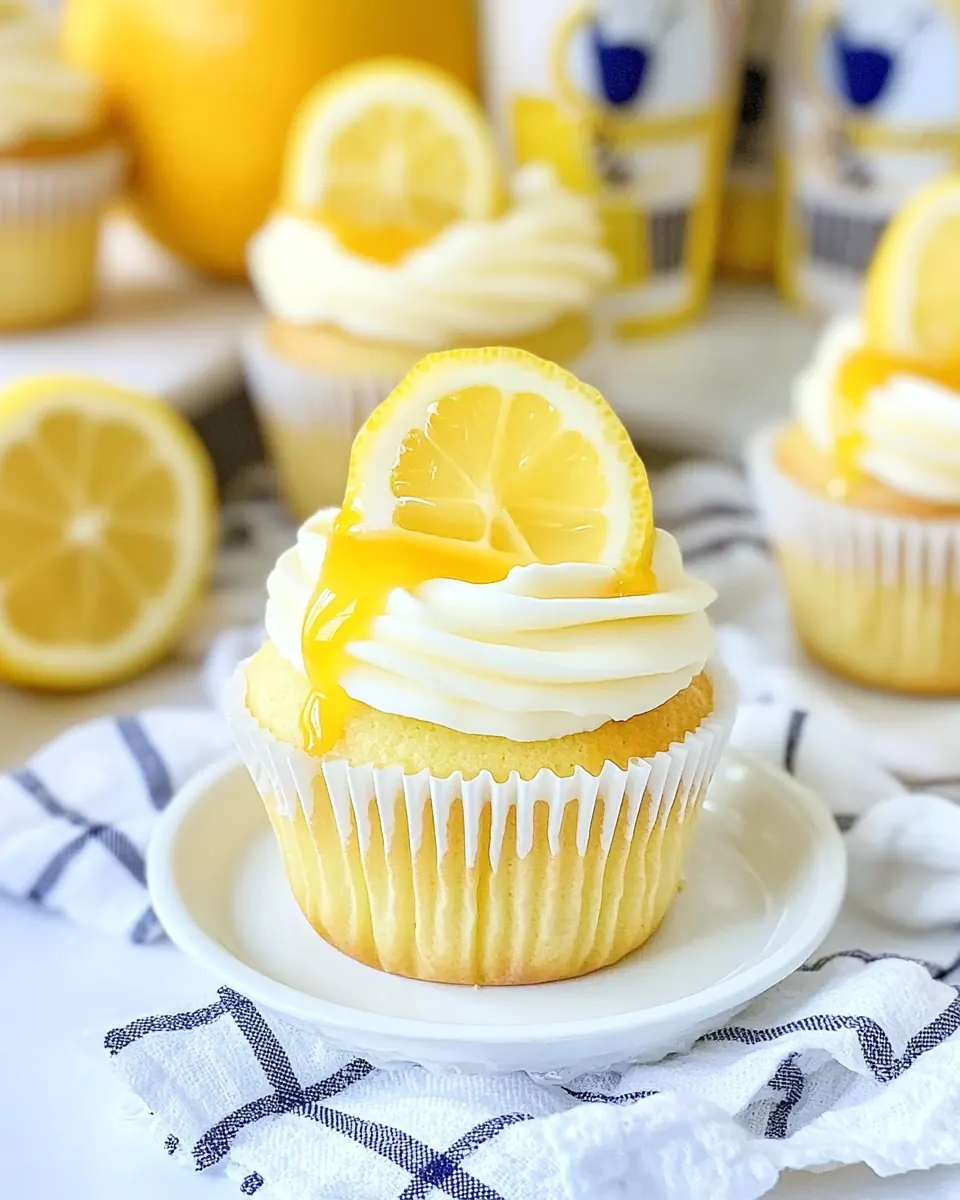
Frost cupcakes with buttercream and enjoy!: Once you frost the cupcakes the first sense is visual, the pale yellow swirls bright against the cake, and then the aroma of tea and lemon greets you with each bite. The frosting should feel smooth and creamy on the tongue while the cupcake crumb remains tender and slightly springy. If your frosting slides, it likely needs a touch more powdered sugar or a brief chill to firm up. The most common mistake is piping onto warm cupcakes, which causes the buttercream to melt and lose shape, so ensure they are fully cooled before decorating.