Begin by preheating your oven to 400°F (200°C).: The air in the oven should feel warm and anticipatory, and preheating ensures the outside of the spaghetti squash starts browning as soon as it goes in, which promotes caramelization. You will smell subtle toasty notes once the oven reaches temperature, a good cue that it is ready. A common mistake is placing food into an oven that has not fully preheated, which leads to longer cooking times and uneven texture. Allow the temperature to stabilize before you slide in the baking sheet.
Carefully slice the spaghetti squash in half lengthwise and scoop out the seeds with a spoon. Discard the seeds. Drizzle each cut side of the squash with olive oil and spread it evenly using a pastry brush. Season generously with salt and pepper. If squash is too hard to cut easily, see notes on my recommendations for an even cut.: The moment you slice into the squash you will notice its firm, pale flesh exposed. Rubbing the cut side with Olive oil creates a subtle sheen and helps the flesh brown. When you season now, the salt penetrates and seasons from inside out as the squash roasts, rather than just resting on the surface. One frequent error is insufficient seasoning at this stage, which can result in bland strands later. If the squash resists the knife, soften it slightly using the microwave tip to avoid unsafe forceful cutting.
Place each half of the squash cut side up on a baking sheet. Place a piece of feta cheese into each squash cavity.: Setting the halves cut side up on the Baking Sheet keeps the feta in place and allows the cheese to melt into the center rather than run away. As the oven heats the feta will start to soften and eventually develop a lightly golden surface, releasing tangy aromas that mingle with roasted squash. A common oversight is placing the halves cut side down which steams the flesh rather than roasting it, yielding less color and flavor.
In a mixing bowl, combine the cherry tomatoes, pesto, 2 tablespoons of olive oil, and a sprinkle of red pepper flakes. Mix well to coat the tomatoes with the pesto.: Tossing the cherry or grape tomatoes with pesto and Olive oil helps them blister evenly and ensures that each tomato releases fragrant juices that are already seasoned. You should hear a faint tinkle as the tomatoes hit the bowl and feel a slick coating from the oil. This step builds the inner sauce for the squash, so skip it and the filling will be uneven. Over mixing can bruise the tomatoes, so toss gently.
Spoon half of the tomato mixture into each squash cavity on top of the feta cheese. Drizzle with a bit more olive oil over the top.: As you spoon the mixture in, you will see the tomato skins nestle around the feta and the filling mound slightly. The extra drizzle of Olive oil promotes bubbling and blistering during roasting and adds gloss to the finished dish. A common slip is under filling the cavity which reduces the flavor interplay between squash, feta , and tomatoes.
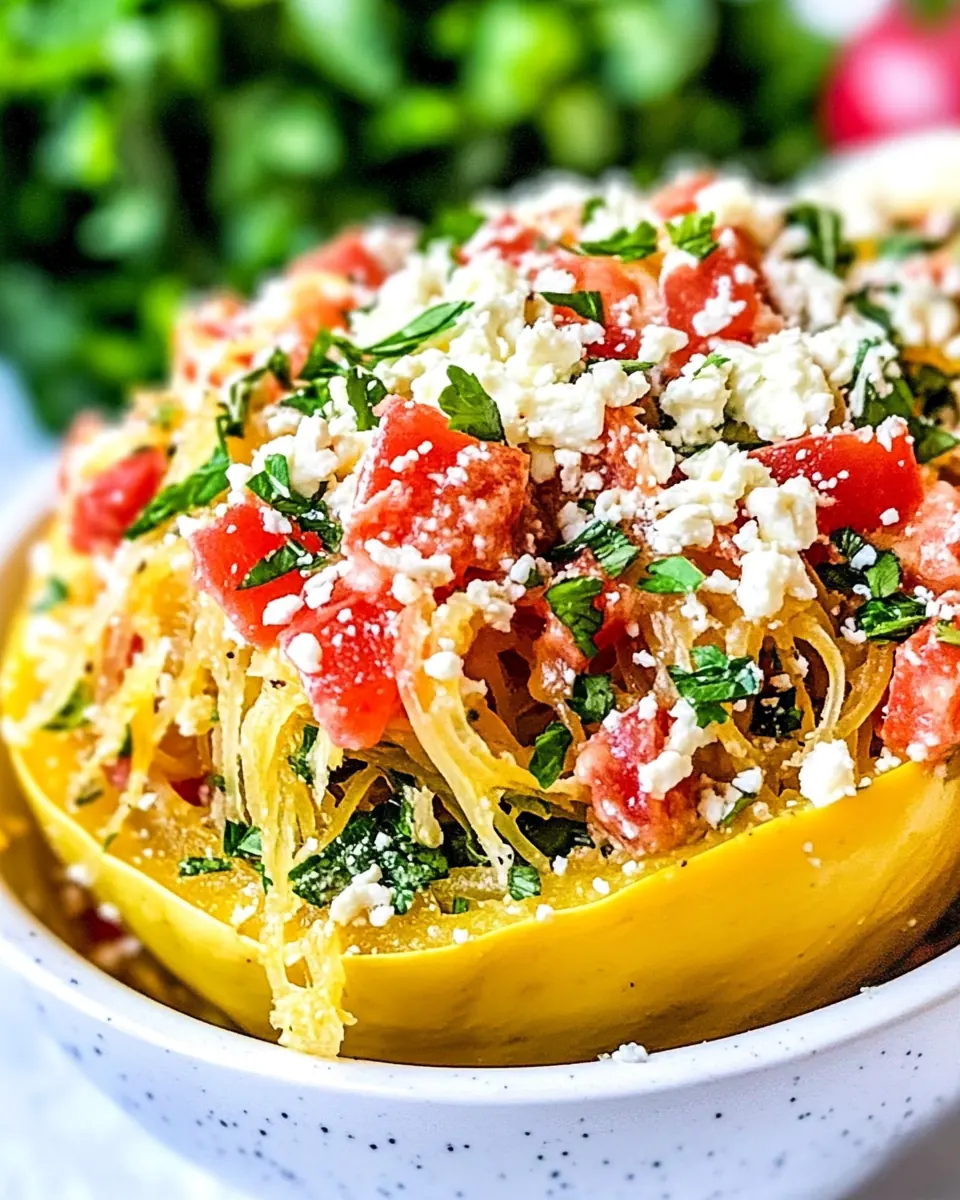
Place the baking sheet in the preheated oven and bake for 50-65 minutes, or until the squash is tender when pierced with a fork. The feta will become golden and the tomatoes will burst. The timing will really depend on the size of the squash and heat from your oven.: As the squash roasts you will notice the kitchen filling with a warm, sweet aroma, and the edges of the tomatoes begin to wrinkle and split. The feta transitions from chalky to creamy and may develop small golden spots; this visual cue signals the cheese is melty and rich. If the squash still feels firm at the lower end of the time window, continue roasting and check every 10 minutes. A typical error is removing the squash too early which leaves the strands tough rather than tender and silky.
Remove the squash from the oven and (optionally) top with everything bagel seasoning, chopped fresh parsley or more red pepper flakes. Using a fork, shred the squash into spaghetti-like strands, mixing it with the tomatoes and cheese. Serve hot.: After removing from the oven, the air around the baking sheet will be fragrant, with the roasted tomatoes giving off a sweet, savory perfume and the feta adding an unmistakable tang. Shredding the flesh with a fork releases long, glossy strands that catch the juices and melt of the feta . Toss gently to combine so you keep some intact strands and some saucy clumps. A common pitfall is shredding too vigorously and squashing the tomatoes, which flattens texture and changes the mouthfeel. Serve while still hot to enjoy the contrast between warm cheese and fresh parsley garnish.