Preheat oven to 400 degrees F.: The dry heat of the oven at 400 degrees F creates a reliable environment for the top to brown and the potatoes to become tender within the recipe's timing. You should feel the room warm slightly when the oven is ready, and the preheated pan will help start the casserole cooking evenly. A common mistake is sliding the dish into an oven that is not fully preheated, which can extend cooking time and leave potatoes underdone. If your oven runs hot or cool, use an oven thermometer for accuracy.
Combine all of the Wet Rub ingredients together in a small bowl. Remove 1 tablespoon and rub this tablespoon all over the chicken.: When you mix the wet rub, you will notice the aromas of garlic powder, paprika, and mustard coming together in a concentrated paste, which helps the seasoning cling to the chicken . Rubbing that reserved tablespoon all over the pieces allows the spices to begin flavoring the surface immediately, aiding browning and creating a seasoned crust. A trap to avoid is over salting at this stage; measure precisely so the final dish is balanced.
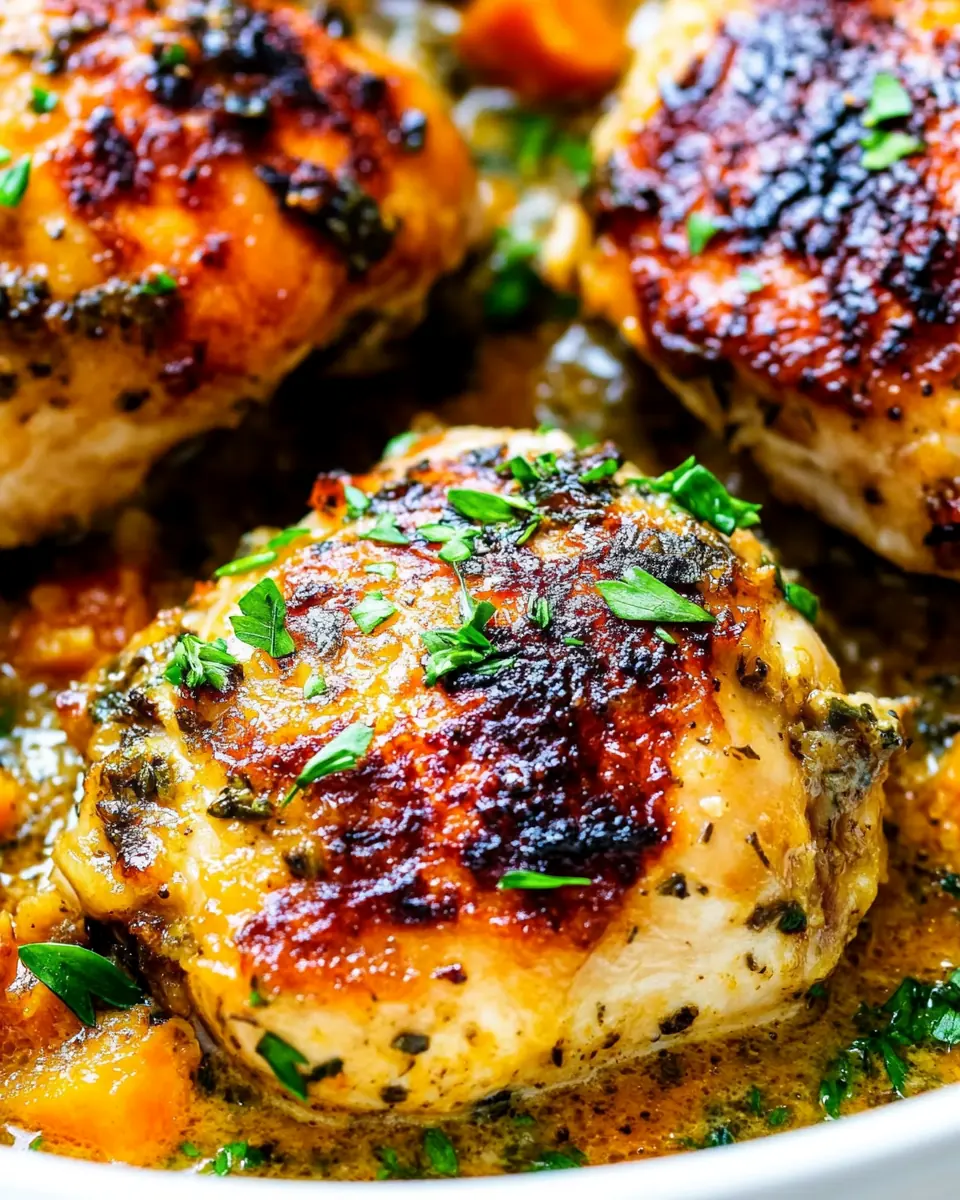
Heat 1 tablespoon olive oil over medium high heat in a large skillet. Once very hot, add chicken and brown 2-3 minutes per side. Remove chicken to a plate. (Don’t clean skillet) Once cool enough to handle (you can wait until you’ve sliced your potatoes), smother the chicken with the remaining Wet Rub.: The skillet should be shimmering and almost smoking lightly when the olive oil is hot, which guarantees a fast sear that seals juices. Listen for a pronounced sizzle as the chicken hits the pan, and watch for a golden brown crust to form; that fond is full of flavor for the sauce. Let the chicken rest briefly so the rub adheres and so you can handle the pieces without burning yourself. A common error is overcrowding the pan, which steams rather than sears, so brown in batches if needed.
Drain all but approximately 1 tablespoon grease/juices from skillet. Whisk in flour and turn heat to low. Slowly whisk in milk. Add all remaining “Herb Sauce” ingredients to now empty skillet. Bring to a boil then reduce to a simmer until thickened (approximately 3-5 minutes, it should be quite thick), stirring occasionally. Meanwhile, grease a 9×13 casserole dish and slice potatoes into 1/8” slices.: You'll use the reserved flavorful juices in the skillet to start the sauce, and the aroma will become richer as you whisk in the flour . When adding milk , incorporate it gradually to avoid lumps, and whisk until the mixture becomes smooth and begins to thicken; it should coat the back of a spoon. The first small boil will concentrate flavors and help the herbs release their oils into the sauce. While the sauce cooks, thinly slicing the potatoes to about an eighth inch ensures even, tender baking. A typical pitfall is adding cold milk all at once which can make the sauce grainy; temper it slowly.
Add potatoes to Herb Sauce and remove from heat. Toss to coat. (It might seem like there isn’t enough, but just keep stirring.): When you fold the hot potatoes into the sauce, the slices will glisten and become evenly coated, soaking up some of the seasoned liquid. This helps each layer bake into a cohesive, creamy texture. If the sauce seems thin at this point, know that the potatoes will continue to release moisture and the flour will finish setting during the oven time; resist adding extra thickener unless the sauce is watery. Avoid letting the potatoes sit too long in the hot sauce uncovered, as they can over soften and become mushy before baking.
Layer half of the potatoes/onions/sauce mixture evenly into your greased 9×13 pan. Top with half of the Parmesan and mozzarella. Repeat layers.: As you build layers, press the slices gently so they nestle and create even contact with the sauce, which ensures uniform doneness. When sprinkling the Parmesan and mozzarella , distribute them so no single area becomes excessively cheesy, and repeat for a balanced finish. The visual cue you want is an even, glossy bed of potatoes capped with a thin veil of cheese. A mistake to watch for is piling slices unevenly, which can leave thicker areas undercooked.
Add chicken on top of potatoes and cover with foil. Bake for 40 minutes, remove foil and bake an additional 10-15 minutes or until chicken is cooked through and potatoes are fork tender. Broil for a few minutes to toast cheese if desired. Remove and let rest for 5 minutes before serving.: Placing the seasoned, seared chicken atop the potato layers lets the meat cook through while its juices baste the casserole below. Covering with foil traps steam and helps the potatoes reach tenderness without drying the chicken . Make sure the foil is tented slightly so it does not press cheese into the meat. Avoid removing the foil too early, which could lead to undercooked potatoes or dry chicken .
Bake for 40 minutes, remove foil and bake an additional 10 to 15 minutes or until chicken is cooked through and potatoes are fork tender. Broil for a few minutes to toast cheese if desired. Remove and let rest for 5 minutes before serving.: During the initial covered bake you will hear a gentle bubbling and sense the kitchen steam; that means the potatoes are softening and the sauce is reducing. After removing the foil, the surface will begin to brown and the cheeses will melt into golden pockets. Use a fork to check that the potatoes are tender and an instant read thermometer to ensure the chicken reaches a safe internal temperature. Broiling briefly will crisp the top, but watch closely because cheese can go from golden to burnt quickly. Resting for five minutes lets juices settle so slices hold together when served.