Preheat oven to 350 degrees (F). Generously grease a doughnut pan; set aside.: The warm, preheated oven creates an immediate lift as the batter hits heat, leading to a tender interior and lightly golden exterior. You should feel the steady hum of warmth as you slide the pan in, and the oven light will show the tops begin to set within minutes. Why this matters The even, consistent heat ensures rise and gentle browning without overcooking. Troubleshooting If your oven runs hot, reduce the temp a hair and check earlier to avoid a tough crust.
In a small bowl whisk together flour, baking powder, salt, and poppy seeds; set aside.: As you whisk, notice the flour turns airy and the tiny black seeds pepper the mixture, promising texture. This dry mix ensures the leavening is distributed so every doughnut rises evenly. Why this matters Sifting or whisking prevents pockets of baking powder that could cause uneven bumps. Troubleshooting Avoid overwhisking the seeds into the flour until you combine, and be careful not to compact the flour when measuring.
In a large bowl combine the granulated sugar and grapefruit zest; mix together with your fingers until zest is evenly distributed in the sugar. Add in the melted butter and beat until combined. Add in the egg and vanilla; beat well. Stir in milk.: Rubbing the zest into the sugar releases fragrant oils, and you will smell a bright citrus perfume that fills the bowl. The sugar will take on a slightly damp, glossy look as it absorbs those oils, creating a fragrant base. Why this matters This method amplifies grapefruit flavor throughout the batter, rather than having bitter flecks of zest in isolated bites. Troubleshooting If the zest feels too wet, pat it dry slightly before mixing to avoid creating clumps.
Add in the dry ingredients and gently fold the mixture together using a rubber spatula, stirring only until mixture is evenly combined.: When you pour warm, melted butter into the sugared zest, you will see a silky sheen form as the fat melds with the sugar. The mixture should look glossy and slightly thick. Why this matters The butter coats flour proteins later, contributing to tenderness and mouthfeel. Troubleshooting If the butter is too hot it can scramble the egg when added later, so let it cool slightly first.
Spoon the thick batter into the molds of your prepared pan, filling each mold up 2/3 of the way. Bake for 10-11 minutes, or until firm and lightly golden on the tops.: As you beat in the egg and vanilla , the batter becomes smoother and slightly aerated, with little ribbons forming as the mix incorporates. This step binds ingredients and helps trap air for lift. Why this matters Properly combined egg ensures a cohesive batter and even texture. Troubleshooting Mix until smooth but stop once homogenous to avoid over working the batter, which can lead to toughness.
Remove pan from oven and allow doughnuts to cool for at least 10 minutes in the tray before transferring to a cooling rack to cool completely.: Adding the milk loosens the batter to the correct consistency, creating a pourable-thick texture that will fill the molds evenly. You should hear a gentle, quiet swish as you fold it in, and the color will lighten slightly. Why this matters Milk hydrates dry ingredients and influences tenderness; the fat content affects richness. Troubleshooting If the batter seems too runny, check your measuring; if too thick, add a splash more milk a teaspoon at a time.
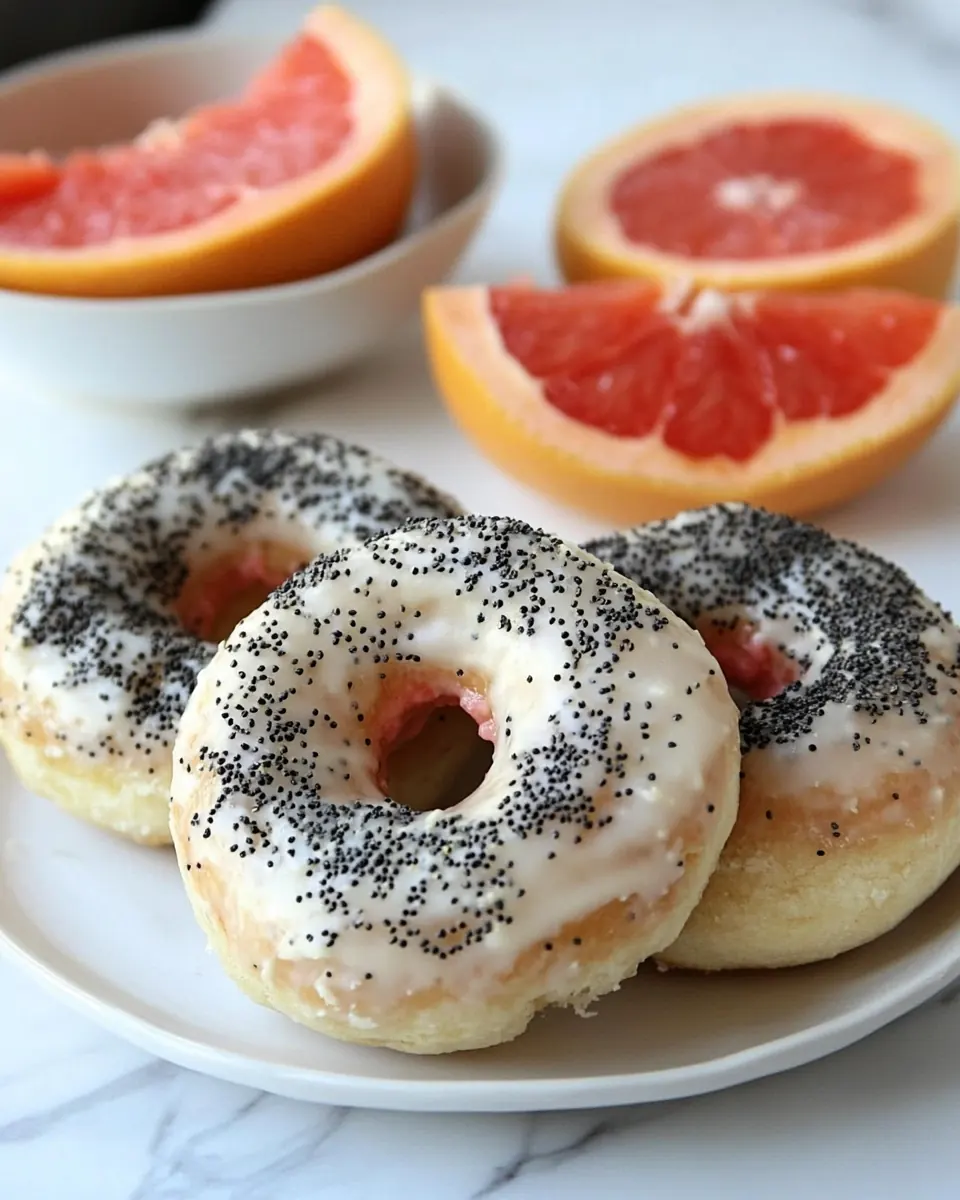
Once cool, dip each doughnut in glaze and serve! The glaze does take a few minutes to set, so you may want to wait about 5 minutes after glazing to dig in... but it's hard!: As you fold, watch for streaks of flour to vanish and for a smooth, cohesive batter studded with poppy seeds . The movement should be gentle, lifting and folding so you keep air in the mix. Why this matters Overmixing develops gluten and causes dense doughnuts, while gentle folding preserves tenderness. Troubleshooting If you see pockets of dry flour, fold a couple more times, but stop once uniformly combined.
In a wide, shallow dish combine juice and sugar, and whisk to combine. Carefully dip cooled doughnuts in the glaze, and let rest for 5 minutes - if you can wait - before serving.: Filling to two thirds gives room for rise without spilling over, and the batter surface will hold small peaks that smooth slightly in the oven. The pans will feel substantial when you move them to the oven, and the batter should be evenly distributed for consistent baking. Why this matters Proper fill level ensures uniform shape and texture. Troubleshooting Overfilling leads to misshapen tops, while underfilling makes them too small and dry.
Bake for 10 to 11 minutes, or until firm and lightly golden on the tops: During baking the aroma of butter and grapefruit will intensify, and the tops will take on a pale golden hue. You might hear a quiet settling, and a toothpick inserted should come out mostly clean. Why this matters Precise timing creates a tender interior and prevents a dry crumb. Troubleshooting Ovens vary, so start checking at ten minutes to avoid overbaking, which makes them dry.
Remove pan from oven and allow doughnuts to cool for at least 10 minutes in the tray before transferring to a cooling rack to cool completely: Cooling in the pan helps the doughnuts set so they do not collapse, and you will feel the warmth slowly subside as the texture firms. The bottoms release more easily once they have rested, and transferring too soon can cause tearing. Why this matters Proper cooling preserves shape and crumb. Troubleshooting If you try to remove them while too warm, they may crumble or stick, so be patient for the ten minute rest.
Once cool, dip each doughnut in glaze and serve: The glaze should be glossy and pourable, coating the doughnut and settling into a thin shell. When you dip, you will feel a slight resistance as the glaze adheres, and a gentle drip will show the right viscosity. Why this matters A properly set glaze adds sweetness and a tactile contrast to the tender doughnut. Troubleshooting If the glaze is too thin it will run off, so add more confectioners' sugar to thicken, or a touch more grapefruit juice to thin.
In a wide, shallow dish combine juice and sugar, and whisk to combine: The juice and confectioners' sugar should be whisked until smooth and glossy, with the color brightening as it emulsifies. You will detect a fragrant citrus tang and the texture should be thick enough to coat a spoon. Why this matters Balancing the sugar and acid controls glaze opacity and flavor. Troubleshooting If it looks grainy, whisk more vigorously or sift the sugar before mixing to remove lumps.
Carefully dip cooled doughnuts in the glaze, and let rest for 5 minutes before serving: As the glaze sets you will see it form a thin shell that catches the light, and the first crisp gives way to a soft interior. Waiting a few minutes allows the coating to firm, preventing sticky fingers. Why this matters Setting time yields a better eating experience and cleaner presentation. Troubleshooting Resist the urge to pile them up while wet or the glaze will stick them together.