Go Back
Baked Lemon Pepper Wings

Baked Lemon Pepper Wings

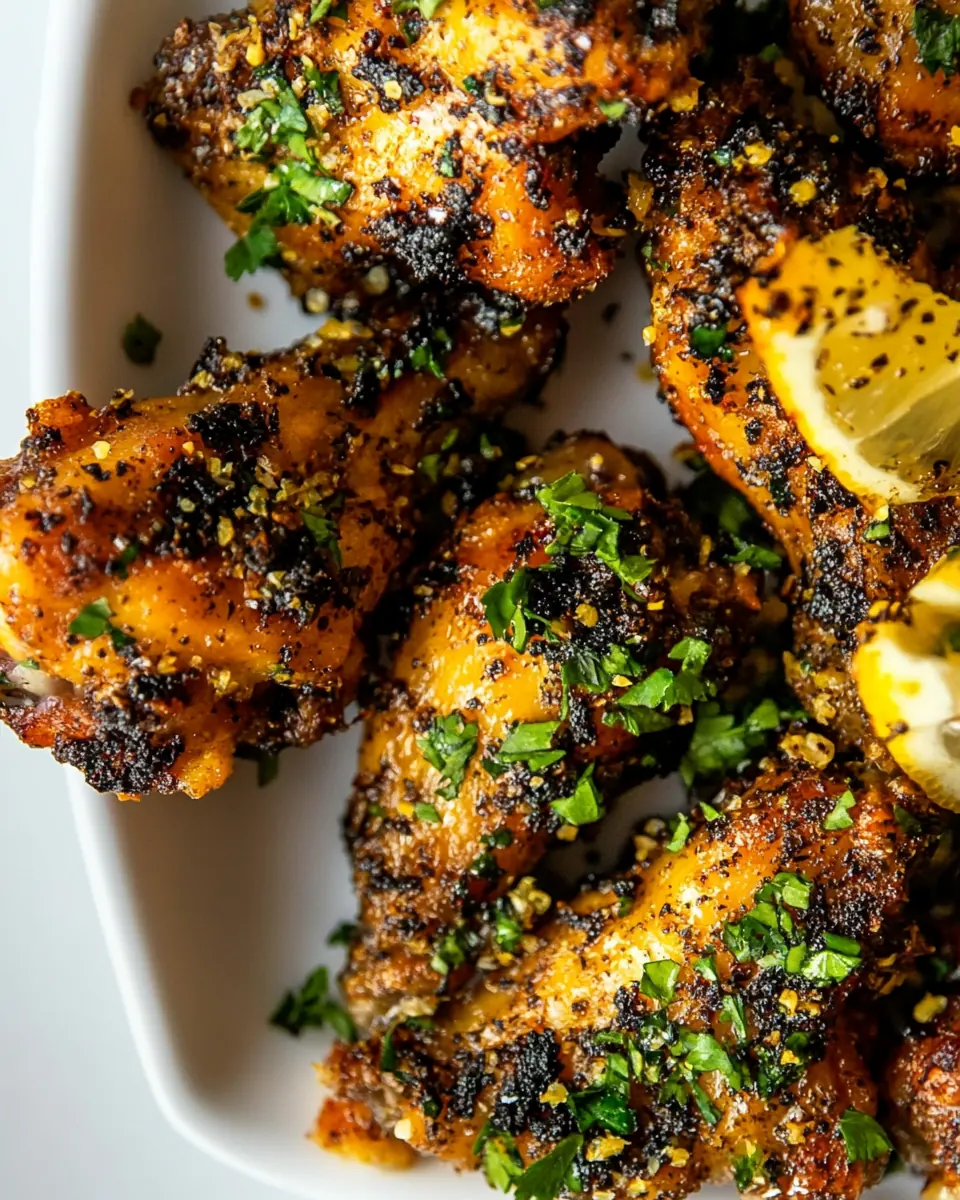
Baked Lemon Pepper Wings deliver crispy skin, bright lemon brightness, and peppery heat in an easy weeknight dinner format. The oven method yields golden, juicy chicken wings topped with a fresh gremolata that adds herbaceous, briny notes. Perfect for summer gatherings or casual meals, this recipe is flavorful, approachable, and worth making when you want something impressive without fuss.
Prep Time 20 minutes
Cook Time 50 minutes
Total Time 1 hour 10 minutes
Servings: 4 servings
Course: Dinner
Cuisine: American
Calories: 450

Ingredients
  

  • 2 pounds bone-in, skin-on chicken wings (about 18-24 pieces) Provide hearty, protein-rich wings with bone-in structure for moist, flavorful meat; ensure skin-on pieces crisp up in the oven for desired texture. Marinate or toss with seasonings to allow flavors to penetrate before baking for best results.
  • 2 tablespoons extra virgin olive oil Add fruity, peppery fat that helps distribute seasonings and promotes browning in the oven; coat wings evenly to encourage crisp skin. Use high-quality extra virgin olive oil for subtle flavor and a healthy cooking fat source.
  • 2 tablespoons freshly squeezed lemon juice (from 1 lemon) Contribute bright acidity that balances richness and cuts through oiliness; freshly squeezed juice adds a clean, vibrant lemon flavor. Apply before or after cooking to layer citrus notes without softening the skin too much during baking.
  • 2 tablespoons lemon pepper seasoning Introduce concentrated citrus and spice flavor that defines the dish with a classic lemon-pepper profile; use to season wings generously for bold taste. Blend with oils and juices so the seasoning adheres and forms a flavorful crust when baked.
  • 1 teaspoon onion powder Provide a mild, savory depth and slightly sweet onion undertone that enhances overall savoriness; powder form distributes evenly over wings. Combine with other dry seasonings to bolster aroma and complement garlic and lemon elements.
  • 1 teaspoon garlic powder Deliver pungent, aromatic garlic flavor in a convenient powdered form that melds into dry rubs; intensify savory notes without adding moisture. Pair with fresh garlic for layered garlic presence throughout the dish.
  • 1 teaspoon ground black pepper Offer assertive heat and sharpness to balance citrus and fat; ground black pepper adds complexity and a warming finish. Use measured amounts to enhance but not overpower the lemon-pepper seasoning and herbs.
  • 3/4 cup fresh parsley Bring fresh herbal brightness and verdant color that lightens the dish; finely chopped parsley provides a clean, slightly peppery finish. Sprinkle over finished wings to add aroma and visual appeal while refreshing the palate.
  • 4 cloves garlic (minced) Supply pungent, aromatic raw garlic bite that gives immediate savory depth and texture; minced cloves release oils that enhance sauce components. Sauté briefly with olive oil and capers for a garlicky gremolata or toss raw as a finishing touch.
  • 2 tablespoons capers Introduce concentrated salty, briny pops that punctuate each bite and complement lemon flavors; capers add tang and umami. Rinse if desired to moderate saltiness, then fold into finishing sauce or toss with cooked wings.
  • 1/2 tablespoon lemon zest (from 1 lemon) Contribute intense citrus aroma and concentrated lemon oils that elevate brightness; zest imparts fragrant citrus oils without acidity. Sprinkle into marinades or finishing mixtures to reinforce lemon character without additional liquid.
  • 1 tablespoon lemon juice (from 1/2 lemon) Provide a secondary boost of fresh lemon juice for layered acidity; a smaller amount fine-tunes tartness in finishing sauces. Add after cooking if needed to brighten flavors without compromising skin crispness.
  • 1/2 teaspoon crushed red pepper flakes Add a touch of heat that creates subtle warmth and complexity; crushed red pepper flakes deliver lingering spice. Use sparingly to harmonize with lemon-pepper seasoning and preserve overall balance.
  • 1/4 teaspoon ground black pepper Enhance spiciness and aromatic bite with an additional small amount of black pepper for nuanced seasoning; fine grind integrates smoothly. Use in sauces or finishing drizzle to subtly lift the savory profile.
  • 1/4 cup extra virgin olive oil Offer extra fat to create a finishing sauce or to help dress the wings evenly; additional olive oil smooths and carries flavors. Emulsify with lemon juice, garlic, parsley, and capers to make a glossy, vibrant coating for baked wings.

Equipment

  • Baking Sheet
  • Wire Rack
  • Mixing Bowl
  • Mini food processor

Method
 

  1. Preheat oven to 400°F. Line a rimmed baking sheet with foil and top with an oven-safe wire rack. Lightly spray the rack with nonstick spray. Set aside.: As the oven warms, you should notice a dry heat growing inside the chamber, which primes the surface of the wings to crisp rather than steam. Lining the sheet with foil catches drips for easy cleanup, and the wire rack elevates the chicken so hot air circulates under and around each piece, creating even browning. When you place the tray in, listen for the faint hum of the oven stabilizing, and expect the initial minutes to smell faintly of warming metal and foil. A common mistake is skipping the rack or overcrowding the pan, which prevents air flow and leads to soggy skin, so resist stacking the wings.
  2. In a large bowl, mix the olive oil, lemon juice, lemon pepper seasoning, onion powder, garlic powder, and pepper until well combined.: When combined, the mixture should glisten and smell bright and peppery, with the citrus aroma of fresh lemon cutting through the oil. This emulsion coats each wing, helping spices adhere and promoting Maillard browning in the oven. Stir until the powders are fully dissolved into the oil and juice so you do not get clumps on the skin. If the mixture separates, whisk vigorously; separation often means the measurement was off or ingredients were added cold. Avoid under-seasoning here, because the marinade sets the dish’s flavor baseline.
  3. Separate the mini drumstick from the thinner parts of the wings using kitchen shears, if applicable.: Breaking the wings into sections helps them cook more uniformly and creates a nicer ratio of skin to meat. You should feel a small give where the joint is, and a clean cut makes plating easier and allows the marinade to penetrate exposed edges. Use sharp kitchen shears and take care with the wrist motion, keeping fingers clear. A frequent slip is hacking through rather than cutting cleanly, which can tear skin and cause uneven cooking.
  4. Pat the chicken wings dry with a paper towel, getting them as dry as possible, and add them to the seasoning-oil bowl. Mix everything together until all the wings are coated.: Dry skin is the secret to maximum crisping. As you pat, you’ll notice moisture lifting off, leaving skin that looks dry and matte. Toss the wings immediately in the marinade so the seasonings cling; you should see the oil and spice cling to crevices and the surface take on a light sheen. If the wings are damp, steam will form in the oven and compromise crispness. A common error is skipping the drying step, which results in limp skin.
  5. Place wings on the wire rack making sure not to overlap them and bake for 40-50 minutes until the chicken is crispy and reaches an internal temperature of 165°F.: As the wings roast, expect a progressive transformation: the surface will sizzle quietly, fat will render and drip onto the tray, and aromas of roasted garlic and citrus will bloom. Visually, the skin should deepen to golden brown with some darker spots, and the sound shifts to a light crackle when you move the tray. Use a thermometer to confirm the internal temperature at the thickest part near the bone reads 165°F, which ensures safety without drying the meat. A typical misstep is crowding the rack, which prevents browning; give each wing space.
  6. Increase oven temperature up to 475°F and bake for 5 minutes to crisp the skin even more.: That final blast of heat is a texture trick. The oven will roar into a higher, drier heat, and within minutes the skin tightens and achieves an extra-sharp crispness that contrasts the juicy interior. Watch closely, because this step goes fast and can shift from perfect to overly browned. If your oven has hot spots, rotate the pan halfway through the 5 minutes. Avoid leaving them unattended here, since even a minute too long can char the edges.
  7. Allow the wings to rest at room temperature for 5 minutes while you make the Gremolata.: Resting lets juices redistribute, and the skin firms slightly, making handling easier. You’ll notice a faint steam as residual heat escapes from the meat, and the surface cools just enough to accept the gremolata without wilting the herbs. Use this time to prep the finishing garnish so everything comes together hot and vibrant. A common oversight is serving immediately, which can cause the gremolata to sweat and lose some of its bright texture.
  8. If using a mini food processor, blend all the gremolata ingredients together except for the oil. Once blended, mix in the oil with a spoon. If making the gremolata in a bowl, finely chop the parsley, mince the garlic and chop the capers– then mix with remaining ingredients in a bowl until combined.: The gremolata’s aroma should be herbaceous and tangy, with little pops of briny caper. Processing briefly releases the fragrant oils from the lemon zest and marries the parsley and garlic , while folding in the oil adds silkiness and helps it cling to the warm wings. Taste and adjust acidity or salt gently. Over-processing makes a paste rather than a lively garnish, so blend just until evenly chopped.
  9. Spoon gremolata on top of the plated wings when ready to serve. Enjoy right away!: The final presentation should look vibrant, with flecks of bright green and glistening oil over golden brown skin. As you spoon, the warmth of the wings will release more citrus aroma from the zest and soften the raw garlic slightly, taming its bite. Serve immediately so the contrast between crisp skin and fresh herb topping is most pronounced. Reheating with the gremolata already applied will wilt the herbs, so keep them separate until serving.
Notes

  • Taste Your Seasoning First: If your lemon pepper blend is salty, reduce added salt elsewhere to prevent over seasoning, and adjust to your palate by adding more pepper if you prefer extra bite.
  • Use a Fan If Your Oven Has One: Switching to convection can speed cooking and improve crispness, so reduce bake time slightly and keep an eye on color to prevent over browning.
  • Control Heat with Red Pepper Flakes: Add more or less crushed red pepper flakes to the gremolata or marinade to dial up spice incrementally rather than all at once.
  • Swap Capers for Olives For Brinier Notes: If you prefer a milder bite, chop salted green olives finely instead of capers to retain a briny element without the caper pop.
  • Make Ahead Option: Prepare the gremolata up to a day ahead and store it chilled in an airtight container, but bring it to room temperature before serving so the flavors bloom.