Go Back
Balsamic Butternut Squash with Rosemary

Balsamic Butternut Squash with Rosemary

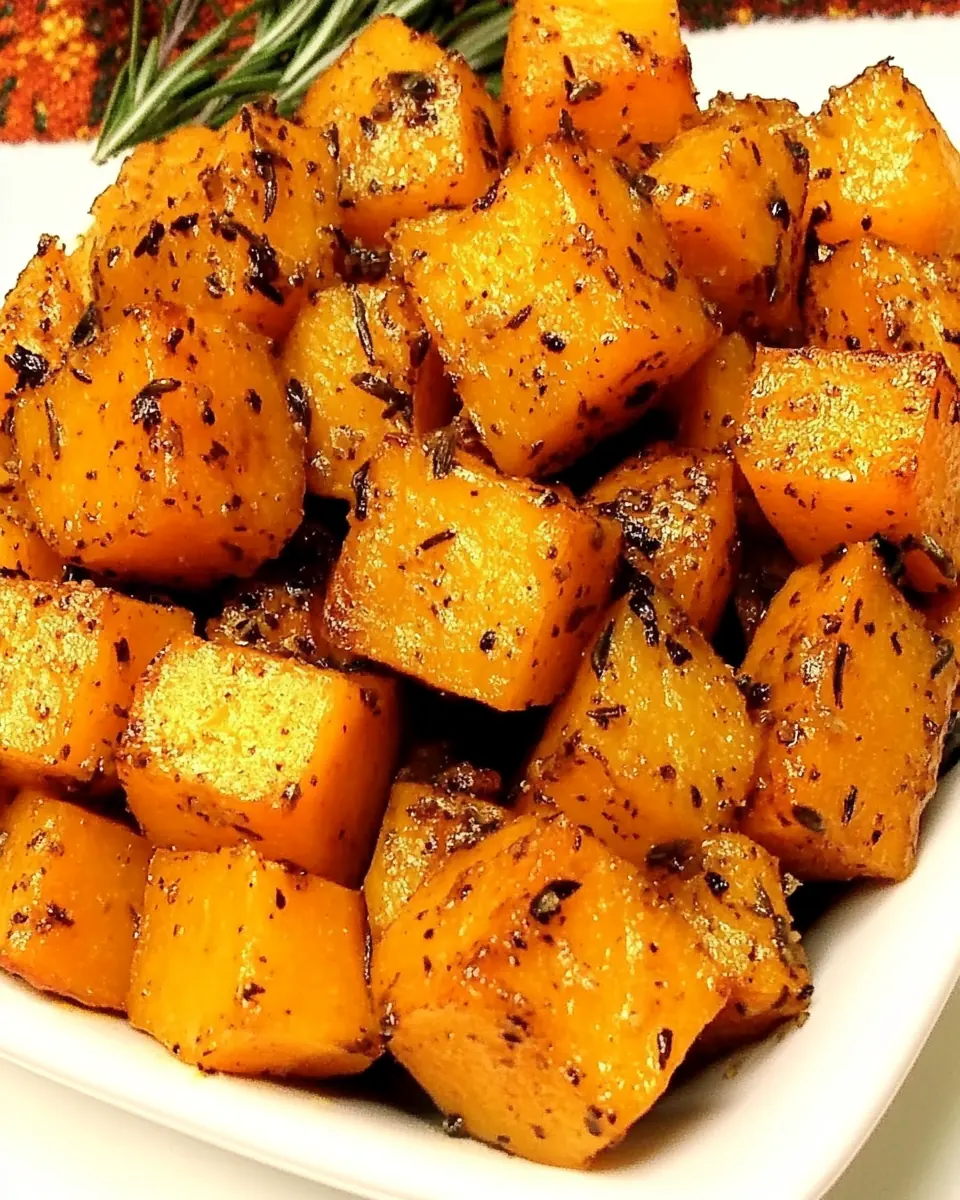
Balsamic Butternut Squash with Rosemary is a creamy tender roasted vegetable that develops crispy caramelized edges, brightened by balsamic vinegar and fragrant rosemary. This easy side makes a cozy weeknight dinner addition or a beautiful holiday dish. Make it ahead for stress free entertaining, it's simple, flavorful, and worth the oven time.
Prep Time 15 minutes
Cook Time 40 minutes
Total Time 55 minutes
Servings: 4 servings
Course: Side Dishes
Cuisine: American
Calories: 150

Ingredients
  

  • 2 lb butternut squash cubes (see notes) Provide tender, sweet squash cubes that become caramelized when roasted; they form the hearty base of the dish and absorb flavors beautifully. Season after roasting to enhance natural sugars and balance the balsamic glaze, creating a rich, autumnal centerpiece.
  • 2 T extra virgin olive oil Coat squash evenly with fat to promote browning and prevent sticking; olive oil also carries and melds the rosemary and balsamic flavors. Choose extra virgin olive oil for its fruity aroma and slightly peppery finish, which complements the squash's sweetness.
  • 4 tsp best quality balsamic vinegar Introduce bright acidity and concentrated sweetness that glaze and deepen during roasting; balsamic vinegar creates glossy, tangy-sweet caramelization on the squash surfaces. Use a high-quality balsamic to ensure a smooth, balanced flavor without bitterness.
  • 1 tsp very finely chopped fresh or frozen rosemary, or slightly less dried rosemary (see notes) Infuse savory, piney fragrance that pairs with the squash's sweetness; finely chopped fresh rosemary releases oils quickly while dried rosemary offers a more concentrated, slightly different herbal note. Add sparingly to avoid overpowering other flavors, and distribute evenly for subtle aromatic hits.
  • sea salt to taste Enhance and balance the overall flavor profile by drawing out sweetness and brightening savory notes; sea salt allows control over seasoning to taste. Sprinkle judiciously to lift the dish without masking the balsamic or rosemary nuances.
  • fresh ground black pepper to taste Introduce subtle heat and depth that brightens the other flavors; freshly ground black pepper adds complexity and a hint of spice. Grind just before using to maximize aroma and ensure the pepper complements rather than dominates the roasted squash.

Equipment

  • Oven
  • Baking Sheet
  • Mixing Bowl

Method
 

  1. Preheat oven to 400 F/200 C.: As the oven warms you will notice a steady, dry heat that is essential for roasting instead of steaming. The hot environment encourages Maillard reactions on the surface of the butternut squash , producing nutty browning and a sweet smell that deepens as roasting continues. A common mistake is not fully preheating, which leads to uneven color and longer cook times. Make sure the rack is placed to allow air to circulate around the pan so the cubes crisp at the edges.
  2. Mix together the olive oil, 1 T balsamic vinegar, and rosemary, then toss squash cubes with the mixture.: Right after combining these, breathe in the fresh herb aroma and the faint fruity note from the vinegar, which meld with the olive oil into a glossy coating. Coating each cube ensures even browning and prevents sticking, while the small amount of vinegar deepens flavor without preventing caramelization. If you crowd the pan when tossing, the pieces will steam rather than roast, so use a bowl spacious enough to toss freely.
  3. Arrange the squash on a cookie sheet or dish large enough to hold it in a single layer.: Laying the butternut squash in one layer is crucial for direct contact with the hot surface, which creates the golden edges you want to see. As you spread the cubes, look for even spacing; they should not touch too closely. Overlapping pieces will stay pale and soft rather than gaining that roasted texture, so use two pans if necessary to keep space between cubes.
  4. Roast 20 minutes, then turn squash and roast about 20 minutes more, or until squash is very soft and starting to get slightly caramelized.: During the first stint in the oven you will see the edges begin to color and the scent deepen, and after turning the cubes you should notice more pronounced caramelization. The flesh should be tender when pierced and the surfaces should show golden patches. A typical slip up is opening the oven too frequently, which can lower the temperature and extend cooking time; rely on visual cues and a fork test near the end.
  5. Remove from oven and toss squash with additional 1 tsp balsamic vinegar, sea salt, and pepper. You can mash slightly if you want, but I keep mine rather chunky. Serve hot.: Once out of the oven, the hot butternut squash will eagerly absorb the finishing vinegar, which brightens the rich roasted sweetness. Tossing while still hot ensures the flavors meld quickly and the vinegar mellows into a glossy finish. Taste as you season with sea salt and black pepper , because oven cooking can concentrate flavors differently than you expect. A common oversight is adding too much vinegar at the start, leaving nothing to enliven the finished dish.
  6. This is also excellent made ahead and reheated. For a holiday like Thanksgiving where there are lots of demands on the oven, it could be cooked early in the day and kept warm in a crockpot while other things bake.: When reheating you will get a faint reprise of roasted aroma and the texture may soften a bit more, which is fine for make ahead service. I often reheat gently in a low oven or a warm slow cooker to avoid drying the cubes, and stirring occasionally restores an even texture. Avoid high heat reheats which can overbrown or dry the pieces; aim for gentle warmth so the squash remains luscious.
Notes

  • Swap the herb Use fresh rosemary for brightness, or experiment with a tiny amount of another savory herb if you want a different aromatic note, keeping quantities small so the herb does not dominate.
  • Adjust vinegar timing Add half the balsamic vinegar before roasting and the rest after so you get both deep glaze and fresh brightness, which prevents over acidic or muted flavors.
  • Make ahead strategy Roast earlier in the day and keep warm in a slow cooker on low, tossing occasionally to maintain texture, ideal for holiday dinners where oven space is at a premium.
  • Presentation tip Serve the roasted cubes in a warm shallow bowl and drizzle a little extra vinegar right before serving, finishing with a sprinkle of sea salt and fresh cracked black pepper for visual appeal and flavor contrast.
  • Texture control For a chunkier result, mash slightly after roasting; for silkier, roast until very soft and give a light mash or puree, but avoid over processing if you want bite.