Peel bananas and slice into rounds. Lay flat on a parchment lined baking sheet and freeze for 2 hours, or until solid. The longer you can freeze them the better.: The moment you slice the bananas , you can smell their sweet aroma, hinting at the flavor to come. Smaller rounds freeze faster and make it easier for the food processor to break them down evenly. When slicing, aim for uniform pieces so they all reach the same frozen firmness, which prevents one large chunk from resisting and stalling the blade. A common mistake here is leaving the slices too thick, which leads to uneven processing and longer blending time.
Place the frozen banana slices in a food processor. Pulse to begin crumbling the banana pieces. Keep pulsing and scrape the sides down if you need to.: As the bananas chill, moisture crystallizes on their surface producing a slightly frosted look. This step is crucial because properly frozen slices will shatter into small pieces when pulsed, giving the processor a good starting texture. If you skip the parchment and the slices stick together, they will form a clump that is harder to break down. Avoid stacking slices in the freezer during the initial freeze to ensure each piece hardens independently.
Once the banana starts to get smooth and the chunks are disappearing, turn your food processor on and process until you get a magical soft-serve ice cream consistency.: Extended freezing deepens the starch conversion and concentrates sugars, which enhances the creamy result. While 2 hours is often sufficient, letting them freeze longer yields a firmer scoop if you prefer a classic ice cream texture. However, extremely long storage can dry the slices slightly, so pack them airtight after they are fully frozen. A common error is refreezing partially thawed slices, which creates icy pockets in the final texture.
Add any mix-ins and pulse to mix.: When the frozen pieces hit the blade, you will hear a crisp, chalky sound as they crumble. Using a food processor rather than a blender gives better torque and makes achieving a smooth, soft serve consistency easier. If your processor struggles, work in smaller batches to avoid overloading the motor. One pitfall is trying to rush by using a too small appliance, which can leave large, cold chunks and uneven texture.
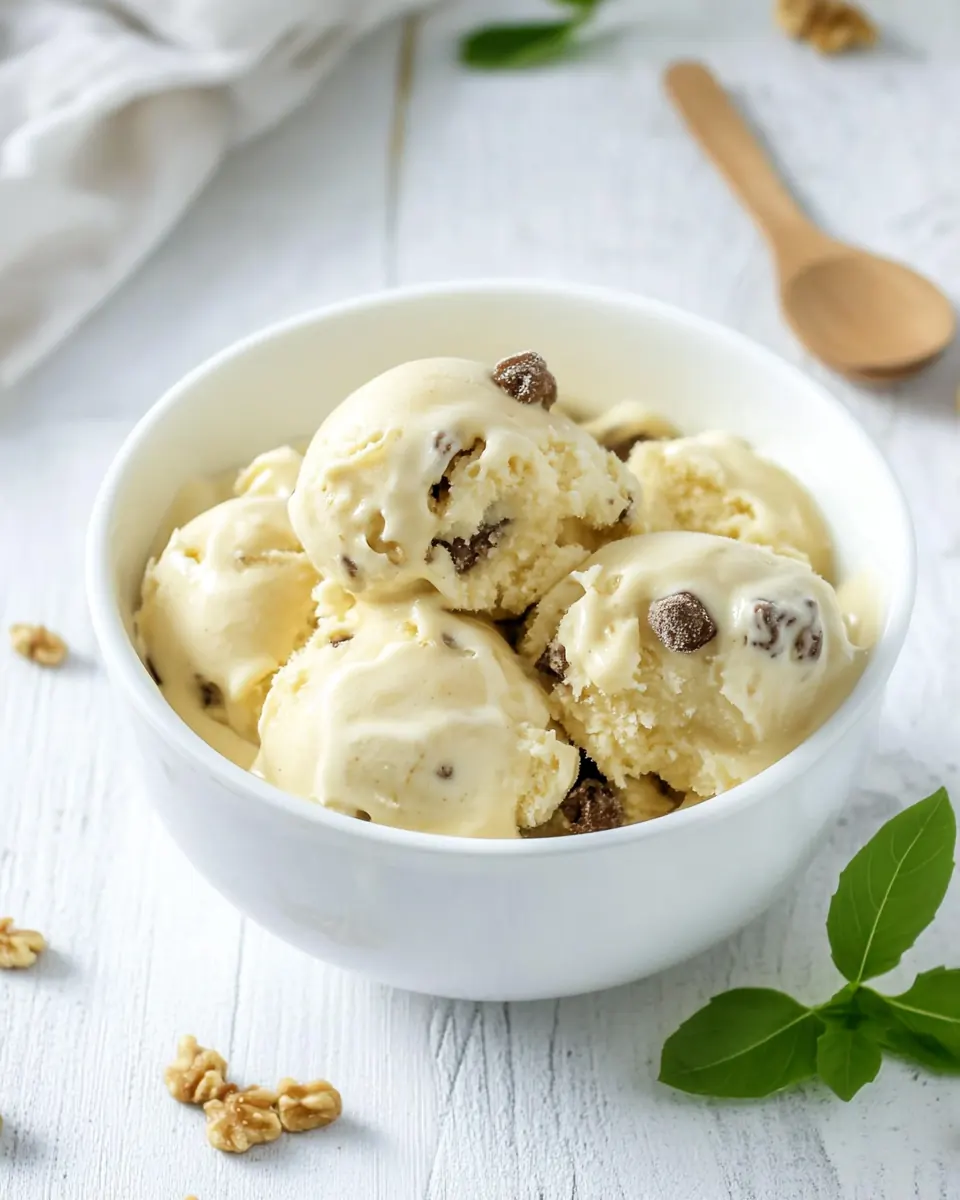
If you want a really soft-serve consistency, you can eat it right away. Otherwise, put it in an airtight container and freeze it until solid for a more traditional ice cream consistency. Enjoy!: Short pulses create a coarse crumb that helps the blade catch and turn larger pieces into fine shreds. This phase smells wonderfully sweet and slightly caramelized as the friction warms the fruit just a little. Pulsing also helps prevent the mixture from warming too quickly, which would turn it soggy. Avoid holding the processor on continuously at this stage as it can heat the fruit and compromise the final mouthfeel.
Keep pulsing and scrape the sides down if you need to: As the texture changes, the bananas cling to the bowl and sides, so scraping ensures even processing. You will notice the sound shift from rapid crunching to a smoother hum when the pieces are breaking down evenly. If you do not scrape, cold pockets may remain and cause uneven creaminess. The usual mistake here is impatience, which leads to stubborn chunks hiding along the rim.
Once the banana starts to get smooth and the chunks are disappearing, turn your food processor on and process until you get a magical soft-serve ice cream consistency: At this stage, the aroma becomes richer and the texture gleams like whipped cream under light. The mixture will smear around the bowl in ribbons, and you can see it become glossy and homogeneous. This step matters because proper processing creates the silky body associated with ice cream, achieved by breaking down frozen crystals into a stable emulsion. One common issue is over processing, which can make the mixture too runny; stop as soon as it is creamy and holds shape.
Add any mix-ins and pulse to mix: Introducing mix-ins at a late stage lets them maintain texture contrast, whether they are crunchy or gooey. The sound of the processor becomes interrupted with little clinks as chips or nuts fold in, and you should use short pulses to distribute without pulverizing. Doing this preserves the integrity of add ins, providing delightful bites. A typical mistake is adding mix-ins too early, which pulverizes them and removes the contrasting textures you want.
If you want a really soft-serve consistency, you can eat it right away: The immediate spoonable texture is airy and melts on your tongue like soft-serve from a cone, offering bright banana flavor and a creamy mouthfeel. Serve right away if you crave that fresh, velvety experience, and notice how quickly it softens at room temperature. The pitfall here is leaving it out too long, which makes it too soft and runny rather than scoopable.
Otherwise, put it in an airtight container and freeze it until solid for a more traditional ice cream consistency: Transferring the mixture into a shallow, airtight container and allowing it to firm up produces a denser scoopable texture. As it freezes further, the ice crystals stabilize and the flavor concentrates slightly, giving you a finish closer to churned ice cream. Label and store at consistent freezer temperatures to avoid freezer burn or crystallization. Avoid repeated thawing and refreezing, which creates icy textures and diminishes creaminess.
Enjoy: When you serve, you'll notice the aroma and silkiness that made you start this recipe, and each spoonful should offer a balance of sweet banana and a satisfying mouthfeel. Personalize each bowl with mix-ins to create a unique bite every time. A common mistake is over topping, which can mask the delicate banana flavor that is the heart of this recipe.