Add yeast and sugar to warm milk in a large bowl. Stir gently to combine and allow the yeast to foam to proof. Once the yeast has proofed, stir in melted butter, salt, eggs, and flour into yeast mixture. Gently mix until well-combined.: The warm milk should feel like a warm bath, around 110º F, and when you stir in the 2 1/4 teaspoons yeast and a bit of granulated sugar , you should see tiny bubbles form on the surface within 5 to 10 minutes, signaling the yeast is alive. The aroma will begin to smell faintly yeasty and sweet, which reassures you the starter is active. This step matters because if the yeast does not foam, your dough will not rise properly. A common mistake is using water that is too hot, which can kill the yeast ; always test the temperature by touch or use a thermometer.
Turn dough onto a lightly floured surface and knead for 10-12 minutes. Form the dough into a large ball and place into a large buttered glass bowl. Cover lightly with plastic or with a tea towel and place in a warm location free of any drafts. Allow to rise so that the dough is doubled in size.: After the foam appears, adding the melted butter , measured salt , and the 2 large eggs enriches the dough, creating a slightly glossy, elastic mix. The dough will feel sticky at first, and as you gradually incorporate the 4 1/2 cups all-purpose flour , it will become more cohesive. The richness from the butter and eggs builds tenderness and flavor. Avoid adding all the flour at once; adding it slowly helps you stop when the dough reaches a soft, slightly tacky consistency. A mistake to avoid here is overflouring which leads to dense rolls.
Place dough on a large lightly floured surface and roll to a 1/4 inch thickness. Spread softened butter over the top of the dough.: When you transfer the dough, it should feel elastic and smooth after kneading, with some bounce when pressed. The kneading builds gluten, which creates structure and interior chew, so you will hear the dough change from sticky to satiny and see it form a smooth ball. The surface will show slight resistance when you fold it, and the dough should hold shape. If you underknead, rolls may be doughy and collapse; overkneading can make them tight and dry. Use tactile feedback to know when to stop kneading.
Stir together the brown sugar and cinnamon and sprinkle generously all over the buttered dough.: After kneading, the dough will relax and smooth out, and when placed in a buttered bowl it should glide gently when nudged. Cover with plastic or a tea towel and set in a warm, draft free place; you should notice the dough rising and increasing in volume over time, with a faint yeasty aroma filling the space. This rise lets gas pockets form, giving the rolls their airy texture. A common pitfall is placing the bowl in a cold spot which slows the rise; find a warm corner to maintain steady activity.
Tightly roll the dough, beginning at the long edge, until a log of dough has been formed.: The dough's surface should look slightly domed and may have small bubbles under the skin when it has doubled. Gently press a finger to leave an indentation that springs back slowly; that indicates the dough is ready. This doubling creates the internal lift needed for soft, open crumb. If you rush the rise, the rolls will be dense; if you overproof, they can collapse, so monitor rather than rely strictly on the clock.
Cut the dough into 3/4-inch to 1-inch slices and place onto a lightly buttered baking sheet pan or into two buttered 9×13 baking dishes.: The rolled dough should look smooth and even, with visible layers starting to form where you will spread the filling. Rolling to this thinness creates many delicate swirls and ensures an ideal ratio of filling to dough. You will feel the resistance change as the dough thins; if it springs back too much, let it rest for a few minutes to relax the gluten. Avoid rolling it so thin it tears, as that will leak the filling.
Preheat oven to 400º Fahrenheit.: The softened butter should spread like a creamy blanket across the dough, leaving no dry spots so the filling adheres evenly. The butter helps the brown sugar and cinnamon meld into the dough during baking, creating those gooey ribbons. If the butter is too cold it will clump, and if too warm it will run, so aim for spreadable softness.
Allow rolls to rise for 30 minutes.: As you sprinkle the 1 cup packed brown sugar mixed with 2 1/2 tablespoons ground cinnamon , you should see a uniform, sandy layer that will melt into pockets of caramel while baking. The aroma will become deeply spiced and sweet, signaling good coverage. Take care to reach edges without piling too much in one spot to prevent leaks when rolling.
Place rolls into oven and allow to cook until lightly browned and cooked through, but not overcooked, about 15-20 minutes.: While rolling, you will feel the filling compress and the dough layer nestle into itself, creating a neat log. A tight roll ensures distinct spirals and prevents seams from opening during slicing. The visual cue is a smooth seam and compact log. A typical error is rolling too loosely which yields loose, misshapen spirals after baking.
While cinnamon rolls are baking, prepare cream cheese frosting by creaming together butter, confectioner’s sugar, cream cheese, vanilla and salt.: Each slice should reveal concentric rings and a little squish when pressed. Arrange them so they have a touch of space to expand, or nest them snugly for pull apart rolls with soft sides. The texture after baking depends on this spacing, so choose according to your preference. Cutting too thick will increase bake time; too thin may dry them out.
Remove cinnamon rolls from the oven and allow to cool slightly.: Bring the oven up to temperature so the rolls bake in an even environment; you should notice a steady heat when you open the door briefly. The high initial temperature helps achieve a golden top while keeping the interior tender. Using an oven thermometer helps ensure accuracy. A common issue is baking in an underheated oven, which can cause gummy centers.
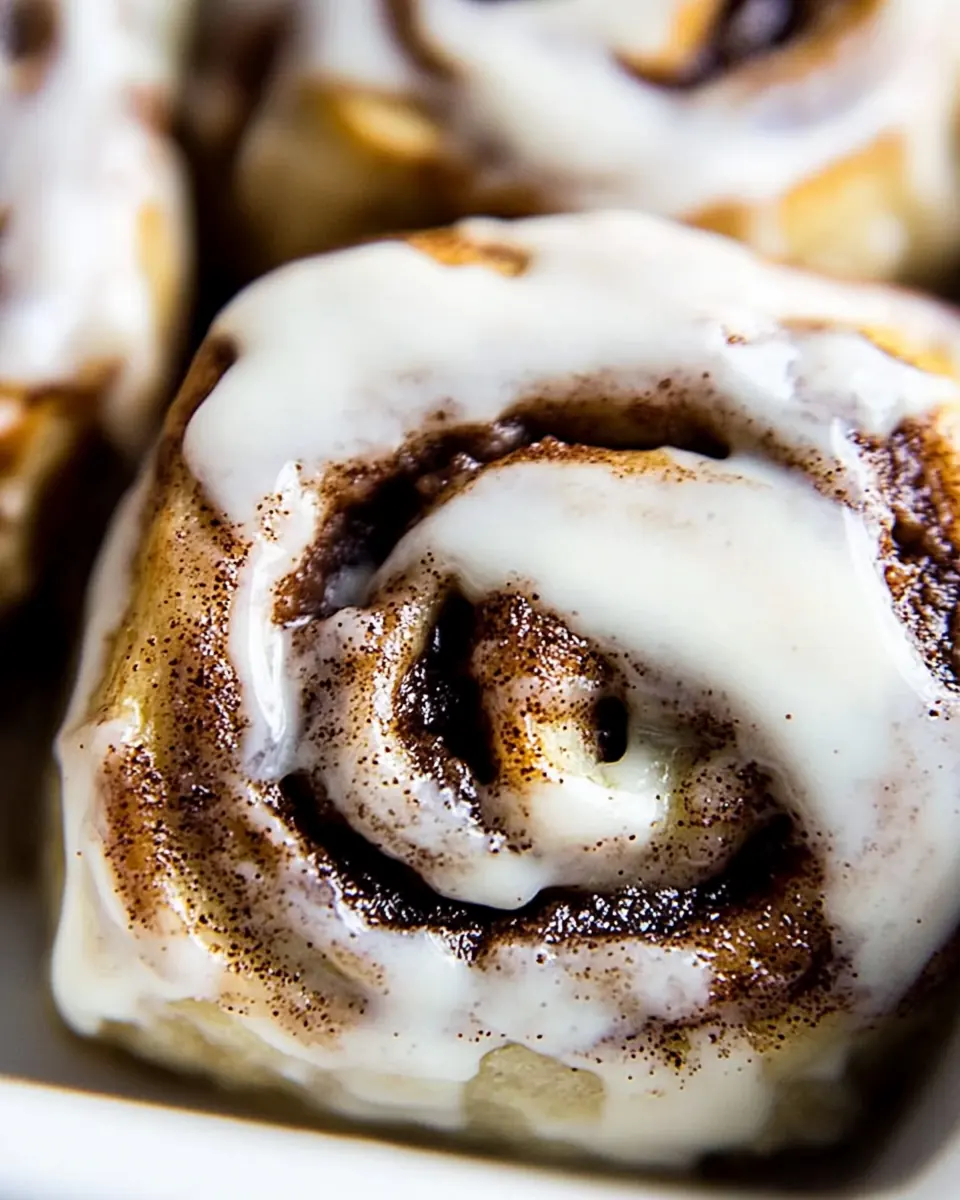
Spread frosting generously over rolls while they are warm.: During this short final rise the rolls will puff and fill the pan, becoming pillowy and springy to the touch. This second rise gives a final lift and creates a light texture. You should see noticeable, but not extreme, expansion. Avoid skipping this rest as it can lead to compact interiors.
Place rolls into oven and allow to cook until lightly browned and cooked through, but not overcooked, about 15 to 20 minutes: As they bake you will smell rich spices and sweet butter, and visually the tops will turn a warm golden brown while the centers set. The edges may caramelize slightly, offering contrast. Remove when they are set and spring back lightly to touch. Overbaking will dry them, so watch carefully near the end of the time range.
While cinnamon rolls are baking, prepare cream cheese frosting by creaming together butter, confectioner’s sugar, cream cheese, vanilla and salt: The frosting should be smooth, glossy, and slightly tangy from the cream cheese . Whip until just combined to avoid making it runny; the texture will be thick enough to hold shape but spreadable. If you overbeat, the frosting can become too airy and thin, so stop when it looks silky and uniform.
Remove cinnamon rolls from the oven and allow to cool slightly: Let the rolls rest until they are warm to the touch but not piping hot, so the frosting will melt modestly into the crevices without disappearing entirely. This cooling period helps the rolls set while still being receptive to the frosting. If you frost them too hot, the topping may become overly thin and runny.
Spread frosting generously over rolls while they are warm: The final flourish is to spread the frosting so it pools into the swirls, creating glossy ribbons and sticky edges. The contrast between warm rolls and slightly cooled frosting is heavenly on the palate, and you will hear the soft sigh as the frosting settles. A mistake is applying frosting when the rolls are very hot, which will cause the frosting to melt away rather than cling, so aim for warm but not steaming.