Preheat oven to 325°F (170°C).: The oven warms and creates an even baking environment, giving the cake a gentle, consistent rise so the crumb stays tender rather than dry. You should feel the slight radiant warmth when opening the oven, and the preheated air helps set the batter quickly. If the oven is too cool the cake will take longer and may sink in the center, so always allow it to fully reach temperature. Avoid placing the pan in a cold oven or opening the door repeatedly while baking, which causes temperature fluctuations and uneven texture.
In the bowl of a stand mixer fitted with the paddle attachment, beat butter and sugars at medium-low speed just until combined. Increase mixer speed to medium; beat until fluffy, 3 to 4 minutes, stopping to scrape sides of bowl. Add egg and egg yolk, one at a time, beating well after each addition. Beat in extracts.: Right after creaming you will notice a pale, aerated mixture that smells faintly sweet and buttery, a sign that air has been incorporated for lift. The sound shifts from dull scraping to a lighter, almost whispering beat as sugars dissolve into the butter . Adding the egg and extra yolk enriches the batter, increasing moisture and silkiness. If you rush and add eggs while the fats are too cold you may see curdling, which is fixable by beating in a small spoonful of the dry ingredients, but avoid it by ensuring ingredients are room temperature. Scrape the bowl so no streaks of unincorporated butter remain, which would create uneven pockets in the final cake.
In a large bowl, whisk together flour, salt, and baking powder. With mixer on low speed, gradually add flour mixture to butter mixture alternately with buttermilk, beginning and ending with flour mixture, beating just until combined after each addition. Gently fold in 1/3 cup (64 grams) sprinkles.: As you alternate the dry mix and buttermilk , the batter will steady into a smooth, ribbon like texture that falls slowly from the spatula. This alternating technique prevents overworking gluten and keeps the crumb tender. The batter should look homogenous before you fold in the sprinkles; gentle folding preserves their shape and color. If you overmix at this stage the cake can become tough, so stop as soon as streaks of flour disappear. Watch for the visual cue that the batter has a soft sheen and the speckles of sprinkles are evenly distributed.
Spray a tall-sided 10-inch fluted round removable-bottom tart pan with baking spray with flour. Spoon batter into prepared pan, smoothing top with a small offset spatula. Sprinkle remaining 1 tablespoon (10 grams) sprinkles on top.: Greasing and flouring the pan ensures the cake will release cleanly from the removable bottom. When you spoon the batter in, you should see a smooth surface that reflects light slightly, not dry or cracked. Using an offset spatula helps create an even top so it bakes uniformly. The final sprinkle of color on top adds a festive touch and signals where to slice for best presentation. Avoid overfilling the pan; leave a small margin for rise so the cake does not spill over.
Bake until a wooden pick inserted in center comes out clean, 30 to 35 minutes. Let cool in pan for 10 minutes. Carefully remove sides of pan; let cool completely on pan base on a wire rack.: In the oven you will notice the aroma deepen to a caramel like note and the top will take on a light golden hue. The cake should spring back gently when pressed and a bamboo pick will come out clean, meaning crumbs clinging but no raw batter. Cooling in the pan for 10 minutes stabilizes the structure so it can be removed intact. If you rush the removal the cake may break, so be patient and use the cool down window to prepare your buttercream. One common error is underbaking; if the center jiggles the cake needs more time.
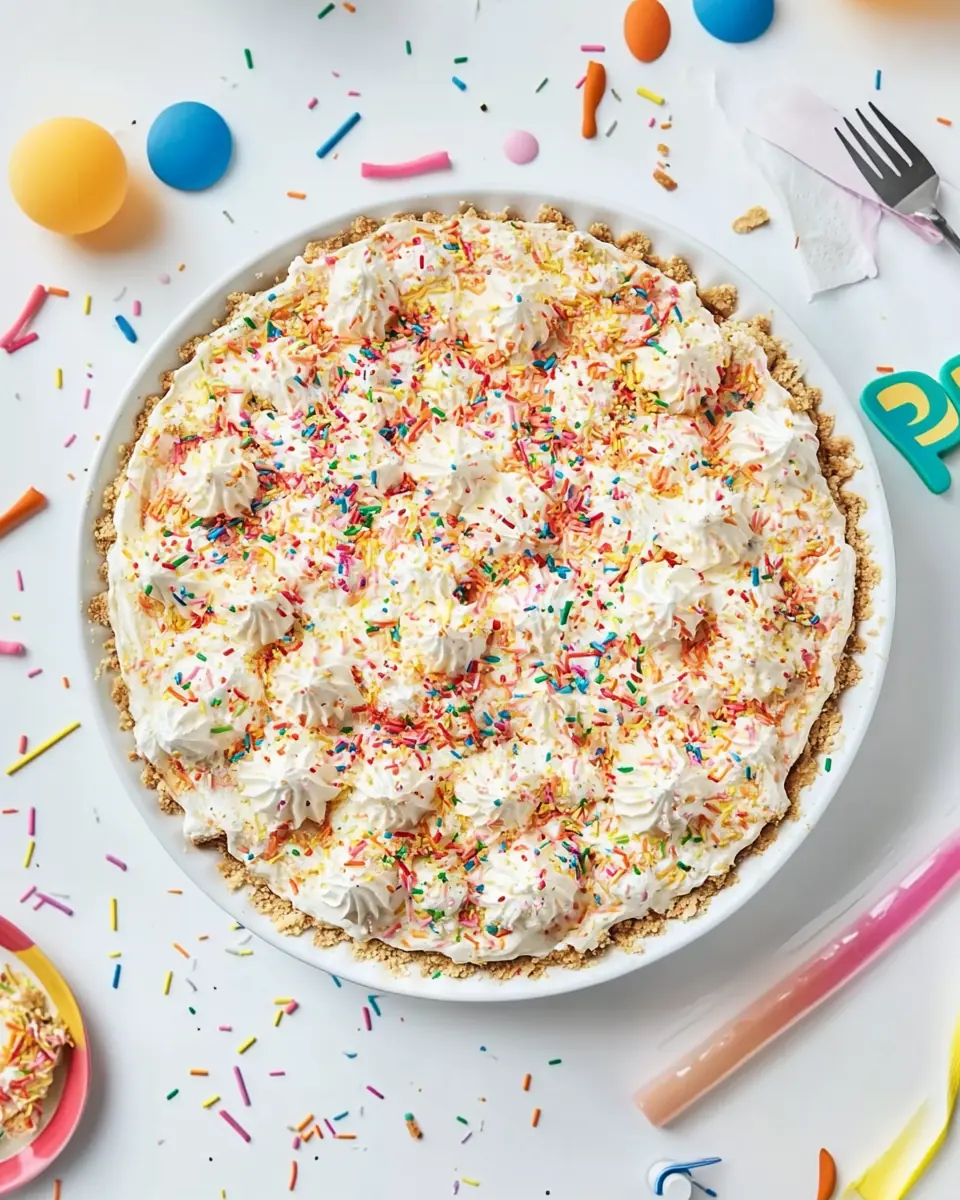
Using a large offset spatula, carefully loosen cake from pan base; place cake on a serving plate. Spoon Vanilla-Almond Buttercream into a pastry bag fitted with a coupler; pipe buttercream on top of cooled cake using assorted small piping tips (Wilton No. 10, Wilton No. 21, Wilton No. 199). Garnish with sprinkles, if desired.: The final assembly is tactile and rewarding, the smoothness of the buttercream contrasting with the soft crumb underneath. As you pipe, the buttercream should hold distinct edges and ridges from the tips, showing that the frosting is the right stiffness. The scent of vanilla and almond will float up, and the sprinkles add a cheerful crunch. If the buttercream is too soft it will not hold shape, so chill briefly and try again. Avoid piping onto a warm cake, it will melt the frosting and ruin your design.