Set instant pot to pressure cook, high, and set timer for 15 minutes.: You will hear the unit click and begin to build pressure, a steady mechanical hum that tells you the environment inside is heating uniformly. This high pressure extracts starch from the dried black eyed peas and encourages tenderization without falling apart, which preserves appealing texture. A common mistake is rushing this stage by reducing pressure time too much, producing peas that are undercooked and chalky. Pay attention to the pressure indicator and make sure the sealing ring is properly seated, because leaks will prevent proper pressurization and lengthen cooking time.
Remove rack from inner pot and set aside. Combine first 9 ingredients in instant pot and stir. Cover and lock lid.: As you stir the dried black eyed peas , spices like smoked paprika and the powdered aromatics will dissolve into the vegetable broth , releasing fragrant steam that should smell warmly spiced and slightly sweet. This uniform contact with liquid helps the peas cook evenly and soak up the seasoned broth. A typical error here is failing to scrape the bottom of the pot, which can lead to a burn notice; ensure the paste and powders are well incorporated and the bottom is free of clumps.
Set pressure valve to sealing. Timer will start once pressure level is reached.: The valve sealing is what allows the pot to trap steam and raise the internal temperature above boiling, creating a fast, moist environment. You will notice a decrease in audible bubbling as the pot locks and pressure climbs; that quiet signals efficient heat transfer. People often mistakenly move the valve too early to vent, which causes undercooked legumes, so be patient until the cooking phase completes and the full timer cycle has finished.
While peas are cooking, prepare the onions & mushrooms.: This is when your kitchen comes alive, with the sizzle of butter meeting a hot pan and the sweet aroma of onion beginning to brown. Working while the peas pressurize is efficient, letting you create a topping that adds contrast in texture and flavor. A misstep is rushing the sauté, stirring constantly which prevents proper caramelization, so allow the vegetables their space to brown and develop those deep nutty notes.
In a large skillet, melt butter and add onions and mushrooms. Saute, but do not stir often, to allow caramelization. Do not crowd the pan, and work in batches if necessary. Set aside and keep warm.: When the butter foams and then subsides, add the sliced onion and mushrooms , letting the surface make contact so they begin to color. You should hear a steady sizzle and see edges turn golden, while sweet juices reduce and concentrate. The technique matters because those brown notes create the finishing flavor contrast to the softer peas. If your pan becomes crowded, the vegetables will steam and stay soggy, so work in batches to get that deeply caramelized finish.
When timer goes off on instant pot, allow a 15 minute natural release before moving pressure valve to venting to release remaining pressure. Check peas for doneness, and if not done, seal and cook on high for another 5-8 minutes before checking for doneness again. Be sure to allow a natural release to avoid burns.: The patient cook, leaving the vegetables undisturbed for stretches, encourages Maillard reactions, giving you sweet, browned onion and concentrated, savory mushrooms . The sight you want is a glossy, mahogany edge on the onion and deeply colored mushroom caps. If you over stir or overcrowd, you lose that color and depth, resulting in bland, limp pieces. Keep them warm on a low tray or covered skillet while the peas finish for best serving temperature.
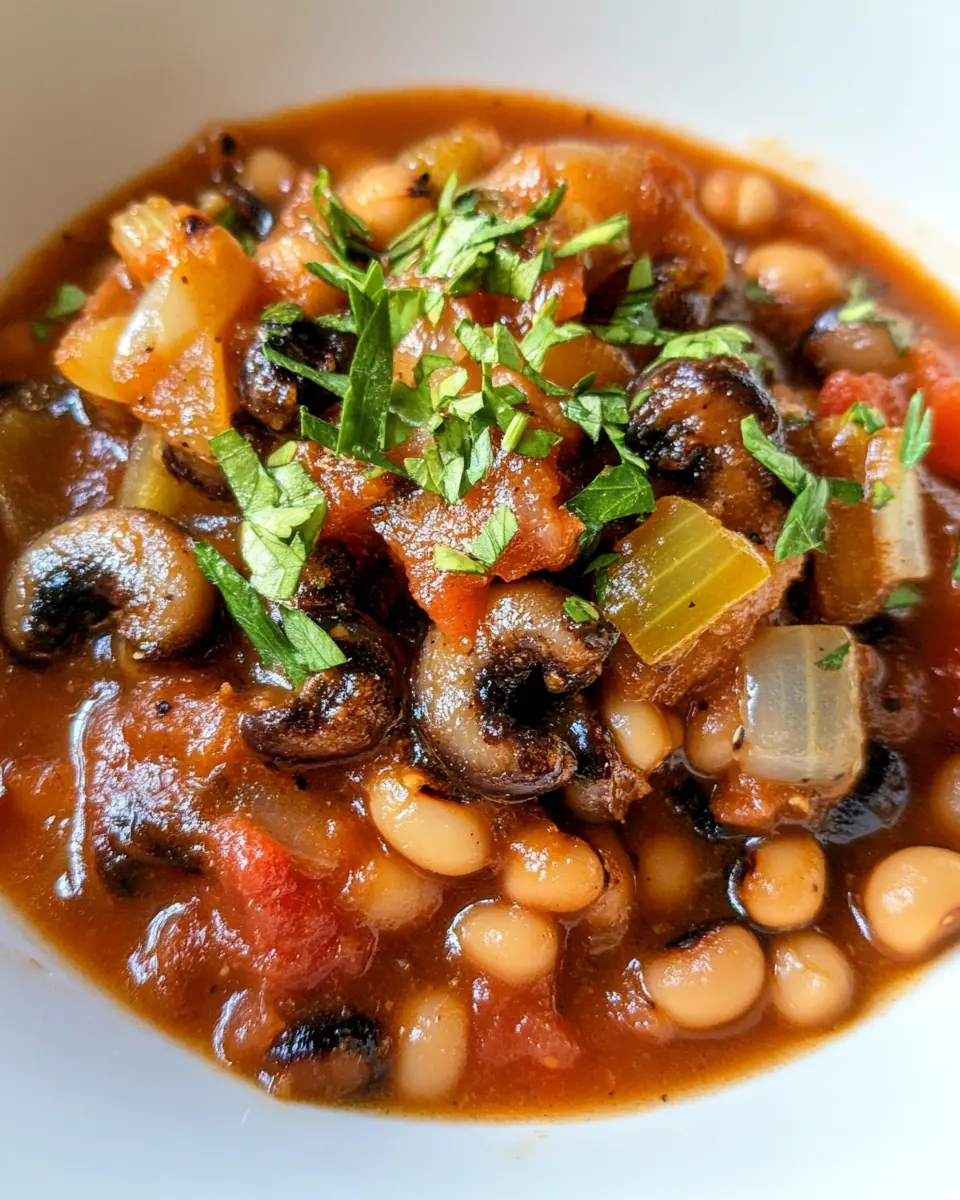
Spoon beans in bowls and top with caramelized onions and mushrooms. Happy New Year!: That natural release phase is audible as the pot slowly eases its internal pressure, and it allows the peas to finish cooking gently, avoiding violent boiling that can split skins. The texture after natural release is creamier and more cohesive, because the internal heat equalizes gradually. A common error is doing a quick release immediately, which can leave beans undercooked or cause hot liquid to spray; always let the initial natural release window pass to maintain safety and texture.
Check peas for doneness, and if not done, seal and cook on high for another 5-8 minutes before checking for doneness again: Open the lid and inspect the peas visually and by taste; they should be tender but not mushy, offering a pleasant bite. If they need more time, reseal and repeat a short pressure cycle. This incremental approach protects against overcooking, which would produce a mushy, gluey consistency. The mistake to avoid is adding too many extra minutes at once, which can oversoften the peas quickly.
Be sure to allow a natural release to avoid burns: When you do finally move the valve to venting, do so with care, using a long utensil or cloth and standing back from the steam. The final release can be vigorous, and the escaping steam will smell like the spices and tomato concentrate. Rushing this step with bare hands risks burns, and tilting the lid can direct hot liquid toward you, so take your time and use protective measures.
Spoon beans in bowls and top with caramelized onions and mushrooms. Happy New Year!: The finishing act is about contrast, assembling warm, spoonable peas and crowning them with glossy onion and mushroom ribbons. Look for a sheen on the vegetables and a creamy body to the peas, which means the sauce clings and tastes balanced. A serving mistake is piling toppings while they are cold, which dulls the textural difference, so keep them warm and garnish just before serving for the best experience.