Preheat oven to 350 F.: As the oven warms, you should sense a faint dry heat if you open it briefly, and this preheating ensures the batter starts baking immediately, promoting lift. If you skip preheating, the muffins may bake unevenly and spread rather than rise. A common mistake is placing cold batter into a cold oven which can lead to dense centers, so always wait until the oven reaches the full temperature.
Line 9 cavities of a standard muffin pan with paper liners or spray very well with nonstick spray; set aside.: Preparing the pan ahead means you can fill the cups quickly, maintaining an even distribution of batter. You might notice the liners cling tighter when the pan is cool, and a light spray helps easily release the muffins. Forgetting liners or insufficient spray can lead to sticking, so test one cavity first if you are unsure of your pan's nonstick qualities.
Divide the blueberries in half.: Splitting the blueberries yields two roles, some for interior distribution and some for topping. The berries for the top stay whole and glossy after baking, and the tossed ones disperse within the crumb. A mistake is overhandling the berries which bruises them and may bleed too much into the batter.
Toss one half of the blueberries with 1 tablespoon of flour; set aside. Tip – This helps to prevent the berries from sinking to the bottom of the muffins while baking.: This flour coating creates a thin barrier that absorbs surface moisture, preventing those blueberries from sinking to the base during baking. When you toss them, you'll see a light dusting that clings to the fruit, and that small step preserves even berry distribution. If you skip this, most berries will sink and cluster at the bottom.
To a medium bowl, add the egg, brown sugar, oil, Greek yogurt or sour cream, vanilla, and whisk to combine.: Once combined you'll notice a slightly glossy batter with ribbons from the whisk, and the aroma of brown sugar and vanilla will be gentle but inviting. Whisking at this stage emulsifies fat and moisture so the batter becomes cohesive. Over mixing here is less risky than later, but vigorous whisking can incorporate too much air that collapses in the oven.
Add 1 cup flour, baking powder, salt, and stir gently to incorporate; don't overmix.: The dry ingredients will dull the batter's shine and it will thicken to a scoopable consistency. Stir until you no longer see streaks of flour, using slow turns to avoid developing the gluten excessively. A common error is aggressive stirring which yields a tough muffin, so stop as soon as the mixture is combined.
Add the blueberries that were tossed in flour to the batter (and any residual flour that was in the bottom of your mixing bowl), and fold gently to just incorporate; set aside.: Folding ensures those floured blueberries remain intact and spread evenly. You will see purple streaks but stop folding while some streaks remain to keep crumbs tender. Overfolding will flatten the batter and break berries, causing the color to bleed and the texture to become dense.
To a medium bowl, add the cream cheese, sugar, cornstarch (Tip – Do not skip the cornstarch because it helps the cream cheese mixture bind), vanilla, and beat with a whisk or spoon until smooth.: The mixture should become silky and slightly glossy, with no lumps of cream cheese . The cornstarch gives the filling body so it does not become a liquid pocket. If the cream cheese is cold, lumps will remain, so be sure it is at room temperature to achieve a smooth filling.
Add about 1 1/2 tablespoons of muffin batter to each of the 9 muffin pan cavities. Make a small dent with a spoon in the center of each one.: As you portion the batter you will feel a soft, scoopable texture; the dent creates space for the filling so it does not spill over the sides. This step controls the sandwiching of filling between batter layers. Filling too deeply may push the cream cheese out, so keep a modest well.
Carefully add about 1/2 tablespoon of the cream cheese mixture to each one.: The filling should sit smooth and slightly domed in the dent, offering a creamy contrast to the batter. Work gently so the filling does not sink into the batter or smear the sides. Overfilling here causes the cream cheese to overflow and bake onto the pan.
Top each with about 1 tablespoon of batter.: Seal the filling with another spoonful of batter so it bakes into a pocket rather than a leak. The top layer covers the filling and smooths the surface, preparing it to rise into a rounded muffin top. If the top is too thin, the filling may peek out and brown unevenly, so aim for consistent coverage.
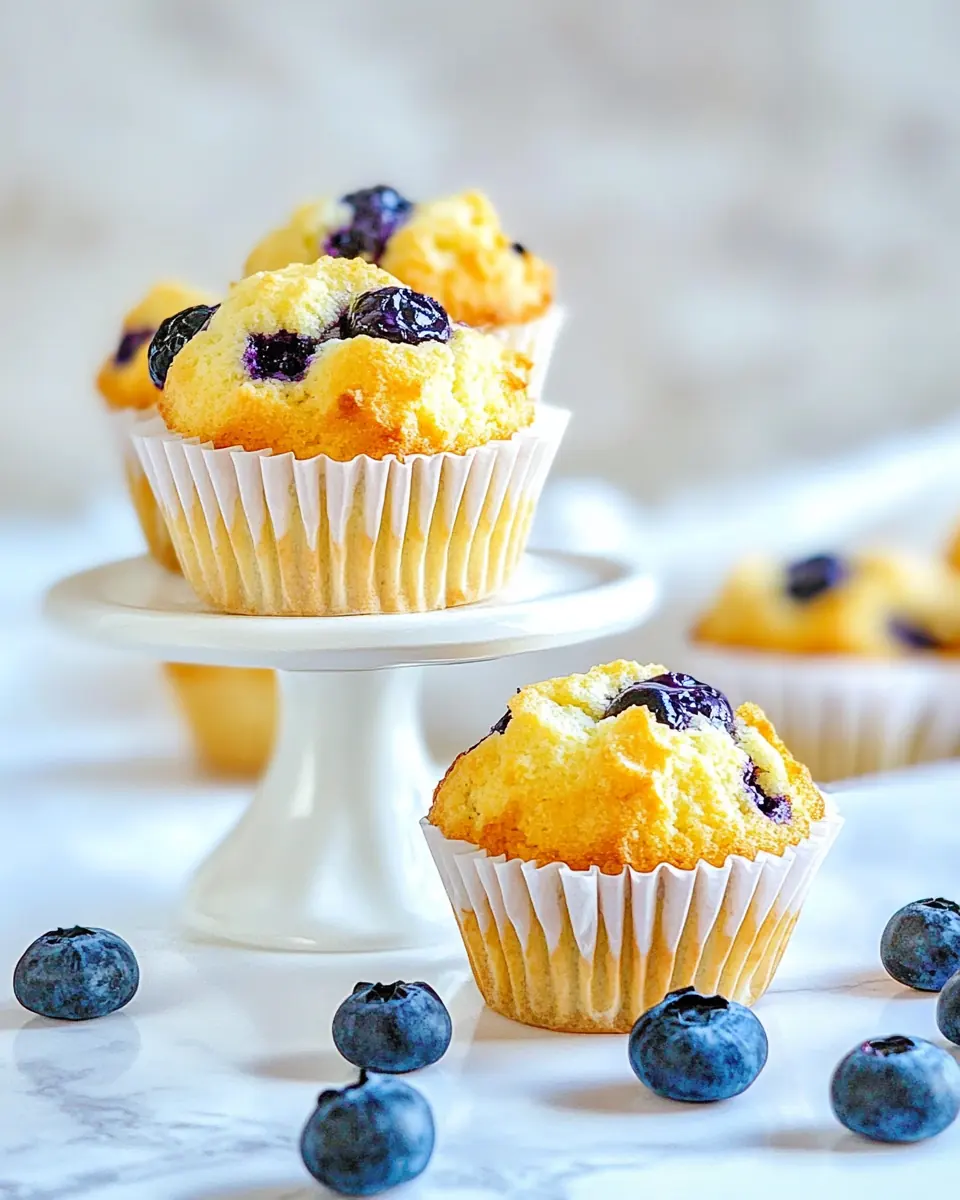
Using the remaining reserved blueberries, top each muffin with a few blueberries evenly spaced around the top surface.: The berries on top roast slightly and develop a gloss and gentle color intensity, creating attractive crowns. Place them with intention so each muffin looks finished, and they will burst slightly when baked, adding charming spots of deep purple. Crowding too many berries on top can cause uneven baking on the upper surface.
Bake for about 20 to 22 minutes on the center oven rack, rotating the pan once midway through baking to ensure even cooking. Muffins are done when the tops are set, lightly golden browned, and a toothpick inserted in the center comes out clean. Tips – Make sure to note the difference between cream cheese versus actual wet batter if you're doing a toothpick test. These muffins are a bit more golden than some because of the brown sugar in the batter. Since all ovens, muffin pans, and exact size of muffins vary, so will baking time. Bake as necessary until your muffins are done; watch your muffins and not the clock.: During baking you will smell sweet caramel notes from the brown sugar and see the muffin domes rise and brown. Rotating the pan yields uniform color; the tops should be springy to the touch and hold a slight golden sheen. A frequent pitfall is relying solely on time rather than visual cues, which can lead to under or overbaking due to oven variability.
Allow the muffins to cool in the muffin pan for about 10 to 15 minutes, or until they're cool enough to handle before serving. Allow them to cool completely on a wire rack before storing the extras in an airtight container.: Cooling in the pan helps the muffins set and prevents the filling from sliding, and finishing on a wire rack stops residual heat from making the bottoms soggy. You will notice steam lifting from the muffins as they rest, and the aroma becomes more concentrated as they cool. A mistake is packing them while still warm which traps moisture and softens the crust, so wait until they reach room temperature for best texture.