I didn't peel the Yukon Golds I used for this recipe, but you can if you prefer (or peel half of them). Cut the potatoes into halves (or thirds if they're large). Add them to a large pot of salted water and boil until a sharp knife easily pierces them.: The aroma as you scrub and quarter the potatoes is earthy and reassuring, and leaving the skins on preserves texture and nutrients while adding a rustic look. When you cut the potatoes , you want evenly sized pieces so they cook uniformly, which prevents some pieces from being overdone while others remain firm. If you choose to peel, notice how the flesh looks smoother and will yield a creamier final texture. A typical mistake here is cutting wildly different sizes, which leads to uneven doneness and makes mashing inconsistent. Keep the pieces similar in size and give them a quick rinse to remove excess starch that can cause gummy mash.
Meanwhile, while the potatoes are boiling, add the butter, cream, Boursin, garlic, and salt & pepper to a small saucepan over low heat. Let it slowly warm through (turn off the heat once it's warm or it'll get too thick). Stir occasionally.: As the pieces hit the pot, listen for the gentle clink against the metal, then cover with cold water to start the cooking evenly from the inside out. Starting in cold water prevents the exterior from overcooking before the center softens, which is especially important for dense varieties like Russet . Watch for a low rolling boil and maintain a simmer so the surface does not break apart and water does not foam over. A common error is starting with boiling water and crowding the pot, which can make cooking times unpredictable and yield mealy bits.
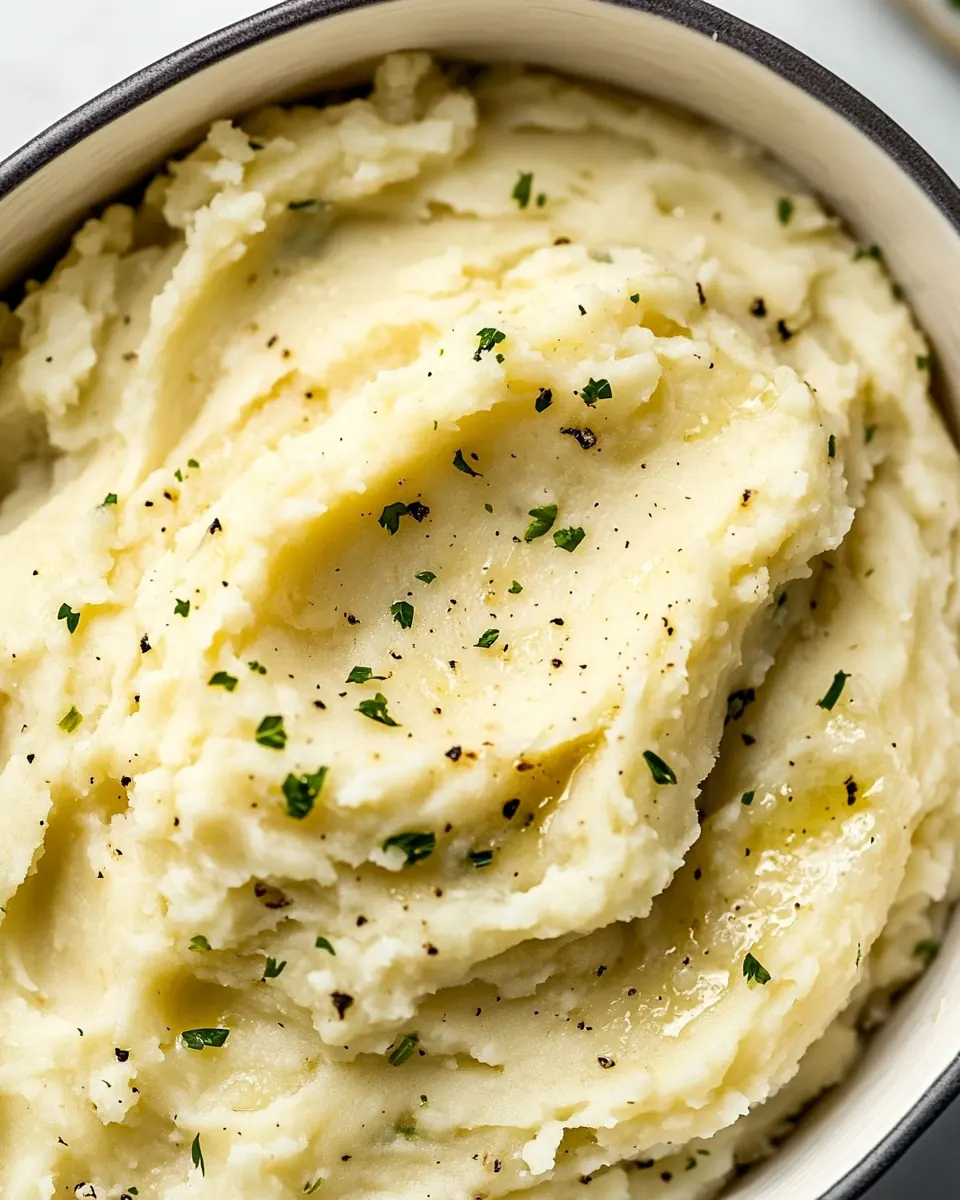
Drain the potatoes and leave them in the pot. Pour in half the cream mixture and mash them a bit then add the other half and finish mashing until it's all incorporated and creamy. Try not to over-mash or the potatoes may end up gluey.: The scent of salty steam will build as the potatoes warm through, and the knife test is your simplest doneness gauge. You should feel little resistance and the center should slide off the blade easily. Drain promptly to avoid waterlogging the pieces, which dilutes flavor and texture. Overcooking can cause grainy, waterlogged mash, so test early and often after the first 10 to 12 minutes depending on piece size.
Serve the potatoes with fresh chives sprinkled on top if desired. You could also add a couple extra pats of butter.: As you warm these, notice the soft hiss and the way the butter and cream gently come together, releasing a cozy aroma. Warming helps the Boursin melt without breaking and ensures the dairy emulsifies into a silky sauce that will marry with the potatoes . Stir occasionally to keep the mixture smooth, and remove from heat once it is warm to prevent reducing too much, which can thicken and become cloying. A common issue is boiling this mixture, which can change the texture and concentrate flavors in an unbalanced way.
Let it slowly warm through (turn off the heat once it's warm or it'll get too thick): Pay attention to the temperature, the point where the mixture is pleasantly warm and homogenous, smelling of herbs and roasted garlic. This gentle approach maintains the delicate texture of the Boursin and avoids separating the fats. If you over heat, the mixture can reduce and become gluey when combined with the potatoes . If you notice bubbling or a film forming, lower the heat immediately or remove from heat to cool a bit.
Stir occasionally: The rhythm of stirring is calming, and it helps distribute the Boursin and garlic evenly so there are no pockets of concentrated flavor. Use a silicone spatula to scrape the pan sides and keep everything amalgamated. Skipping this step can leave clumps and an uneven integration of the cheesy sauce with the potatoes . If you find lumps, warm the mixture slightly and whisk gently before adding to the mash.
Drain the potatoes and leave them in the pot: After draining, returning the potatoes to the pot lets residual heat evaporate some surface moisture, which preserves the desired texture. The quiet steam trail that rises is a sign the pieces are ready to welcome the creamy mixture. Leaving them in the pot also makes mashing easier and keeps the kitchen tidy. A frequent mistake is draining into the sink and leaving the potatoes to cool too long, which reduces heat and makes merging with the warm dairy take longer and feel lumpy.
Pour in half the cream mixture and mash them a bit then add the other half and finish mashing until it's all incorporated and creamy: At this moment you will smell the garlic and herbs join the potatoes , and the sound of the masher changes as the mixture transforms from chunky to silky. Adding the sauce in two stages lets you control texture, avoiding a too loose or overly dense mash. Aim for a balance where the mash is fluffy yet cohesive. Over mashing while the mixture is warm can activate starch and create a gluey texture, so stop when the mash is homogeneously soft and slightly airy. If the mash seems too stiff, fold in a touch more warmed cream rather than aggressive mashing.
Try not to over-mash or the potatoes may end up gluey: Trust your hands and eyes here, the mash should look smooth but not pasty, and have a light, almost cloud like quality. The ideal is creamy peaks that hold shape for a second before settling, rather than a shiny, elastic ball which signals overworked starch. Give the finished mash a final seasoning taste, and if it feels flat add a pinch more salt. A typical misstep is using a high speed mixer which makes the mash gummy, so stick to a hand masher or ricer for best results.
Serve the potatoes with fresh chives sprinkled on top if desired: The final touch of chopped chives adds color and a hint of fresh onion brightness against the rich base, and a couple extra pats of butter on top melt into a glossy finish. Serve immediately while warm, because as it cools the texture tightens and the aroma mellows. If you must hold them, keep covered and warm gently, stirring before serving to refresh the texture. Avoid refrigerating hot mash uncovered, as condensation can make it watery and require re warming with extra cream.
You could also add a couple extra pats of butter: If you want a richer mouthfeel, the added butter melts into pools of savory gold on top and enhances the visual appeal. It is an optional flourish that lifts the dish for special occasions. Be mindful of portion control if you are watching richness, as too much can overwhelm the herb notes. A common mistake is adding cold butter at the last minute which will not melt and will remain as unattractive lumps, so give it a moment to soften and melt into the warm mash.