Place potatoes into large saucepan and add enough water to cover, plus about 1 inch. Cook over medium-low heat until fork tender, about 15-20 minutes.: The water should barely cover the potatoes , creating a gentle simmer that cooks evenly and keeps the exterior from breaking down too quickly. You will hear a soft rolling simmer, not a violent boil, and the surface will show slow movement. If the water is too hot at the start, the outside cooks faster than the center, leaving unevenly cooked pieces. A common mistake is overfilling the pot, which extends cooking time and can water down flavor. Keep the heat at medium low so the potatoes reach tenderness uniformly.
In a medium saucepan, melt butter, add half and half. Heat until simmering.: You want a fork to slide in with minimal resistance and the surface of the potato chunk to look slightly broken, indicating full tenderness. When you pierce a piece, steam should gently escape and the piece should separate cleanly. If you undercook, you will get lumps and a gritty mouthfeel; if you overcook, potatoes can become waterlogged and gluey. Test several pieces for consistent doneness.
Drain potatoes and pour potatoes back into saucepan used to cook them. Mash potatoes over low heat until smooth. Add the melted butter and half and half mixture and boursin pieces to potatoes. Continue to mash the potatoes until creamy. Then, mix well with a wooden spoon until light, fluffy and smooth. Stir in salt and pepper.: Melt the butter gently and then add the warm half and half so the dairy combines into a glossy emulsion. You will hear a soft sizzle and see tiny bubbles at the edge as it comes to a simmer. This warmed mixture helps incorporate into the hot potatoes without cooling them down. Avoid bringing it to a rapid boil, which can separate fats and change texture.
Pour potatoes into a serving bowl for serving.: Bring the butter and half and half to a gentle simmer so steam rises and the mixture thickens slightly. The aroma will shift to a creamy, buttery scent that prepares the palate. If the dairy is too cold when mixed with the potatoes , it can shock them and make the mash dense. Keep the heat moderate to preserve smoothness.
Make-Ahead Tip: Prepare mashed potatoes and pour into a casserole dish. Cover tightly with aluminum foil or a lid and refrigerate until about 20 minutes before ready to serve. Then, place in a preheated oven at 350º F for 20 minutes.: Draining retains the optimal amount of starch in the pot. Returning the potatoes to the warm saucepan lets residual heat evaporate excess moisture for a better mash. You should hear a quiet sizzle as residual steam escapes. A common misstep is leaving them in too much water, which thins the mash and dilutes flavor, so drain thoroughly.
When you remove from the oven, top with remaining 2 tablespoons of butter and a sprinkle of salt and pepper, if desired.: Using a masher, work the potatoes on low heat so steam evaporates and you reach a smooth consistency. The sound is a soft, rhythmic scrape and the surface becomes velvety with no chunks visible. Rushing with a mixer at high speed can make them gluey, because overworking releases excess starch. Keep the pace gentle for the best texture.
Serve warm.: As you add the warm dairy and the chunked Boursin, you will see ribbons of cheese begin to melt into the mash, and the aroma will bloom with garlic and herbs. The temperature should be warm enough that the Boursin softens but not so hot it separates. If you add cold dairy, the mash will cool and may become heavy; if you add dairy too quickly, it can make the texture loose, so add gradually and observe the change.
Continue to mash the potatoes until creamy: Keep mashing gently while the Boursin dissolves, watching the mixture become uniformly creamy and streak free. The sound will fade as lumps disappear, and the surface will take on a glossy sheen. If the mixture seems too loose, pause and let it sit a moment to absorb moisture; if too stiff, add a tablespoon of warm half and half at a time. Avoid over mixing, which yields gummy results.
Then, mix well with a wooden spoon until light, fluffy and smooth: Switching to a wooden spoon helps fold air into the mash, creating lift and a light mouthfeel. You will notice the mixture becomes pillowy and holds a soft peak when stirred. This step adds volume, so be gentle but thorough. A metal spoon can feel heavier and may compress the texture, so I prefer wood for this finish.
Stir in salt and pepper: Add the kosher salt and ground black pepper and taste, adjusting as needed. The seasonings should brighten the rich base without overpowering the herbed Boursin. If you under season, the dish tastes flat; if you over season, the salty notes will mask the cheese, so add gradually and taste between additions.
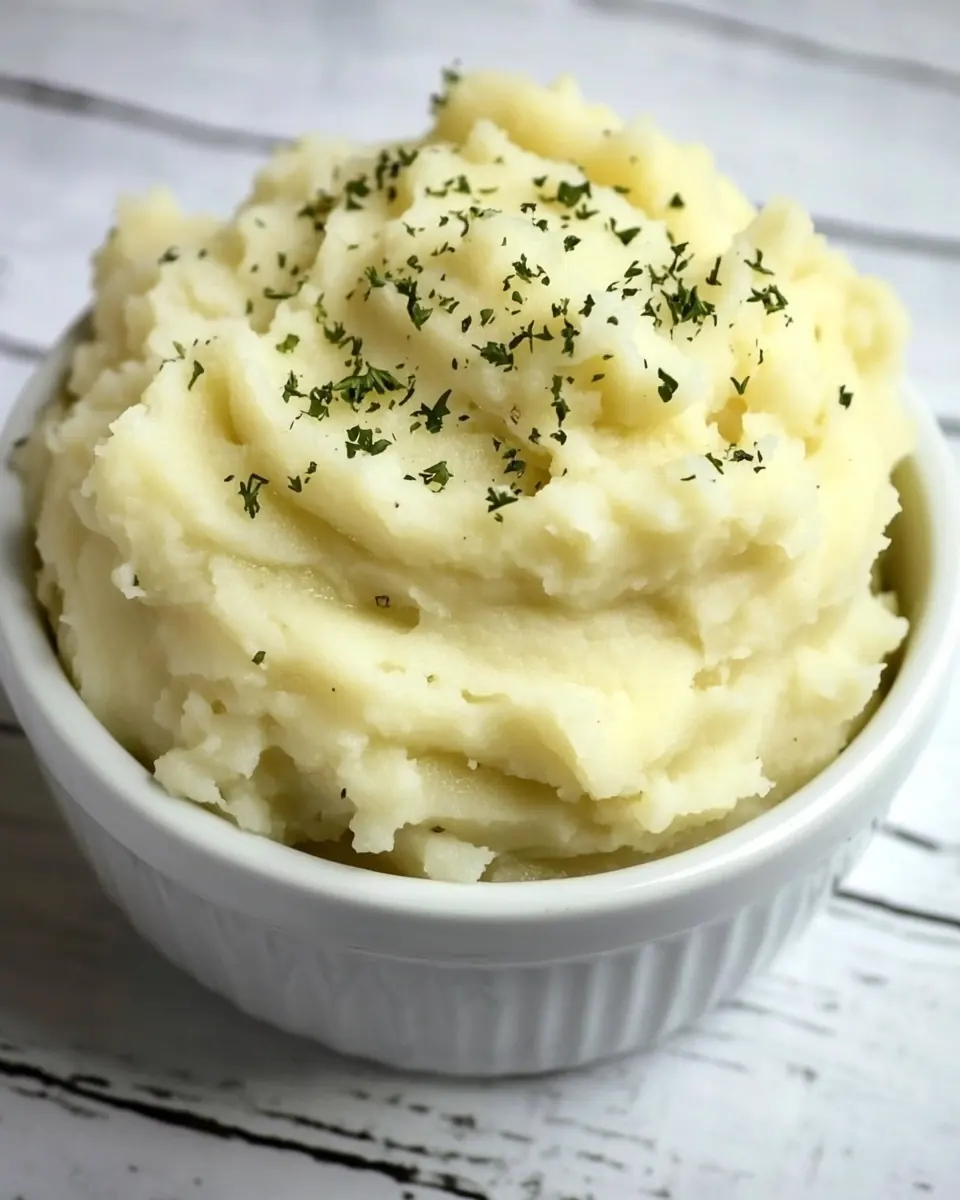
Pour potatoes into a serving bowl for serving: Transfer the mashed potatoes to a warm serving bowl to maintain temperature and presentation. As you pour, the surface will look glossy and the steam will carry the herb aroma. Leaving them in the hot pot risks overcooking from retained heat, so plate promptly. Covering loosely with foil keeps them warm without sweating.
Make Ahead Tip: Prepare mashed potatoes and pour into a casserole dish : If making ahead, pack the mash into a casserole dish and smooth the top. Refrigerate tightly covered until about 20 minutes before serving. Cold storage firms the texture and concentrates flavors, which can be revived by gentle reheating. A common pitfall is reheating too fast, which causes dryness, so use low heat for even warming.
Cover tightly with aluminum foil or a lid and refrigerate until about 20 minutes before ready to serve: Keeping the dish sealed prevents drying and flavor loss. When ready, remove from fridge to let the chill lift slightly before placing in the oven. Opening the foil too early releases heat and causes temperature loss, so wait until the oven is ready.
Then, place in a preheated oven at 350 F for 20 minutes: Reheating at a moderate oven temperature warms the casserole through without overbrowning. You will see gentle bubbling at the edges and a return of glossy texture. Avoid higher temperatures that dry the surface. If the center seems cool after 20 minutes, give it additional five minute increments and check again.
When you remove from the oven, top with remaining 2 tablespoons of butter and a sprinkle of salt and pepper, if desired: The cold butter pieces will melt on contact, creating a shiny finish and an extra layer of flavor. The final sprinkle of salt and black pepper adds bright contrast. Do not skip this last step, as it elevates appearance and mouthfeel.
Serve warm: Serve the mashed potatoes while still steaming, so the aroma and texture are at their peak. They should be fluffy, creamy, and dotted with herb flecks from the Boursin. If they cool too long, reheat gently to restore the ideal serving temperature.