Preheat oven to 350°F. Line cupcake pans with liners.: The moment you turn on the oven you set the scene for even baking, with heat enveloping each cup so the batter rises and sets predictably. You should hear the oven fan or see the light come on as confirmation it is warming. A 350°F oven yields a balance of exterior set and interior fudginess, creating a slight crust on top while keeping the center tender. If your oven runs hot, consider using an oven thermometer to avoid overbaking, which dries the cupcakes. One common mistake is delaying the oven start, which can lead to inconsistent rise as cooler pans meet hot air.
Mix brownie mix with oil, water, and eggs in a large bowl with a wooden spoon or spatula until mostly smooth (batter may have small lumps).: As you stir, notice the batter change from dry crumbs to glossy, chocolatey mass, and stop when it becomes mostly smooth; small lumps are fine and indicate you did not overwork the batter. The sound is a quiet scrape against the bowl, and the texture should be thick but scoopable. This mixing method preserves the fudgy crumb because it limits gluten development. A frequent error is overmixing, which adds air and makes cupcakes cakier instead of dense.
Fill cupcake liners 2/3 full. Bake 18-25 minutes or until a toothpick comes out clean from the center of the cupcake. Cool completely before frosting.: Filling to two thirds ensures each cupcake has room to rise without overflowing, producing a rounded top with a delicate crust. During baking you will smell rich chocolate and see the tops glossy then matt slightly as they set. The toothpick test checks doneness; a few moist crumbs are okay but raw batter is not. If you find excessive sinking after baking, it usually comes from underbaking or opening the oven too early, so resist peeking in the first 15 minutes. Cooling fully prevents frosting from sliding off and allows the crumb to firm up for neater decorating.
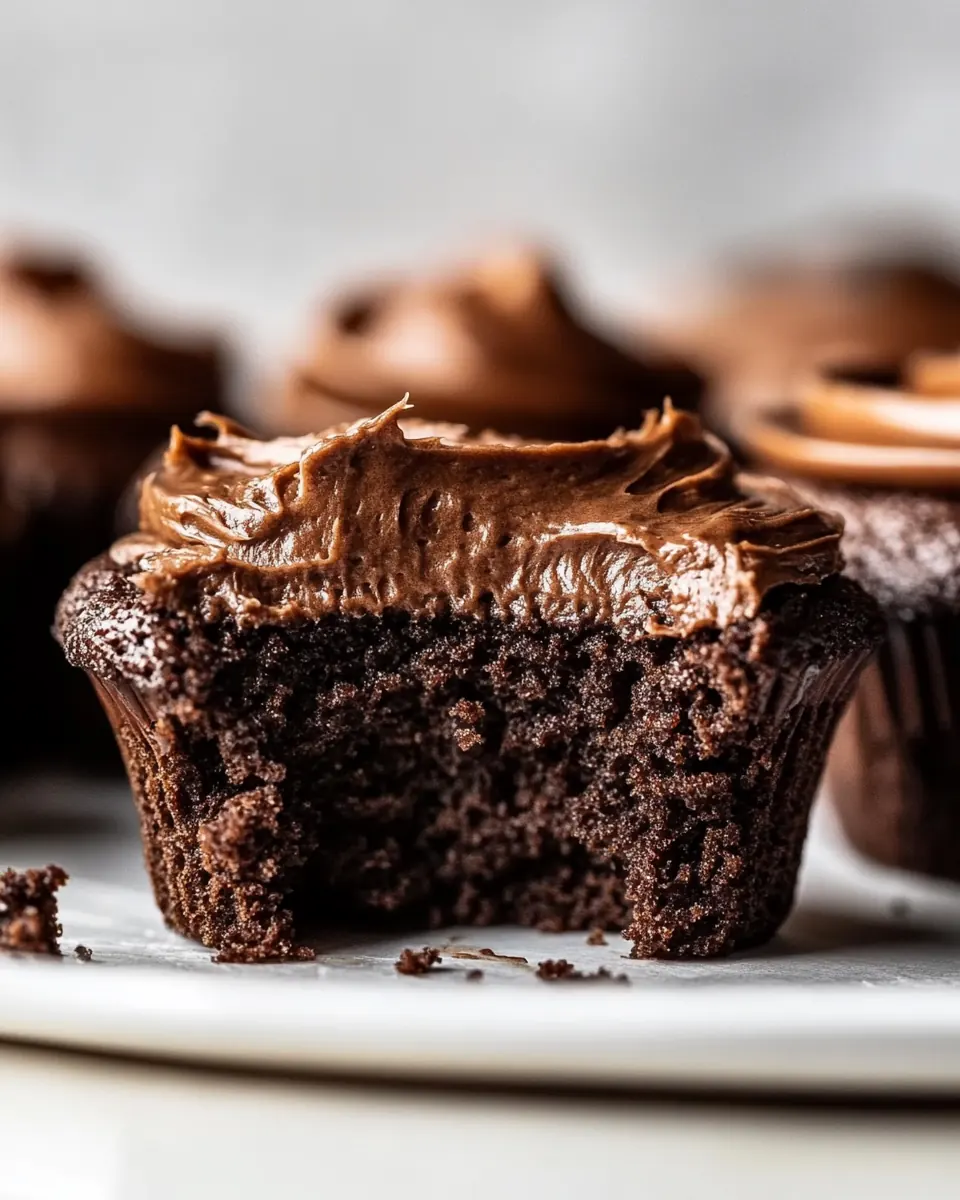
Frost as desired. Store in an airtight container for up to 3 days or freeze for up to 2 months.: When frosting, the tactile sensation of spreading or piping chilled frosting over cool cupcakes creates a clean finish, and the contrast between soft frosting and fudgy cake is delightful. If chilling the frosting first, it will hold shape better on the cupcakes. Storing in an airtight container preserves moisture and flavor; refrigeration is optional depending on frosting type. Freezing works well for longer storage, wrapped individually and placed in a sealed container. A common mistake is frosting warm cupcakes, which can lead to melted or sliding frosting, so patience pays off here.