Choose the correct size of mug, at least 1 and a half cup or 11 ounce cup.: The bowl shaped mug allows even cooking and prevents overflow, and using one that is too small risks spilling. You will notice the batter bubbling up as it cooks; that is normal, but it should not escape the rim. A common mistake is selecting a shallow cup which causes uneven cooking and a dry edge. If you hear rapid popping in the microwave, pause and check for spillage.
Choose the correct size of mug, at least 1 and a half cup or 11 ounce cup.: When you spoon the dry flour into the mug, you will see the pale powdery texture that forms the backbone of the batter, and it helps temper the density of the cocoa powder . I level the spoon to keep the ratio consistent. If you press or pack the flour, you may end up with a denser outcome, so measure gently. Watch for flour pockets when you whisk; they indicate under mixing.
Start by adding the flour: Adding the cocoa powder next deepens the color and aroma, and you can inhale a roasted chocolate scent that signals quality. Cocoa tends to clump, so whisk thoroughly with the flour to distribute it. If you spot dry streaks, whisk a little longer to prevent grainy bits in the finished brownie. Avoid adding wet ingredients before this step, as they make dissolving cocoa more difficult.
Start by adding the flour: The granular brown sugar will darken the mix and the small pinch of salt amplifies sweetness while balancing bitterness from the cocoa. Stir until the sugar looks evenly scattered throughout, and you may feel tiny granules under your whisk, which is normal. Over stirring at this stage can compress the sugar into clumps, so break any lumps gently. Using packed brown sugar can lead to overly sweet, sticky spots.
And the cocoa powder: As you whisk, the powdery mix turns into a uniform, darker blend with no visible streaks, and you can smell the cocoa and sugar mingle. A thorough whisk helps avoid lumps and ensures even hydration when you add liquids. If you still see dry bits at the bottom, scrape the sides and whisk again. The biggest error here is rushing, which yields an uneven texture after cooking.
And the cocoa powder: Adding the oil first disperses fat throughout the mixture, creating a glossy sheen and helping to bind the dry ingredients. As you pour, you will notice the batter turning slightly smoother and the surface becoming satiny. If you add a hot liquid, it can prematurely change texture, so keep the oil at room temperature. Too much stirring after adding oil may incorporate excess air, making the surface less fudgy.
Then add the brown sugar and salt: The dash of vanilla contributes a rounded sweetness and lifts the chocolate notes, even though it is subtle. When folded in, you may catch a floral, aromatic hint that complements the cocoa powder . If you skip vanilla, the brownie will still work, but it may taste flatter. Be careful not to use an artificial flavoring you dislike, since it becomes noticeable in a single serving.
Then add the brown sugar and salt: Pouring in warm milk or cooled brewed coffee hydrates the batter and helps dissolve sugar and cocoa, making a silky texture. You will see the mixture thin out to a scoopable consistency; this viscosity is what yields a fudgy interior after cooking. If the liquid is too hot it can begin to cook the batter prematurely, so aim for warm or room temperature. Adding too much liquid will make the mixture runny and undercooked after microwaving.
Whisk the mixture really well with a whisk until the dry ingredients are smooth.: Sprinkling the chocolate chips into the batter distributes pockets of melting goodness throughout, and as you press some toward the surface they create a glossy melty top. Mini chips work best for even melting. Avoid overfilling the mug with chips, because a very chocolate heavy mixture can take longer to heat through in the center.
Whisk the mixture really well with a whisk until the dry ingredients are smooth.: Using a spatula to fold the chips into the batter ensures an even crumb and prevents over aeration. As you stir, note the batter’s sheen and the tiny pools of chocolate beginning to meld into the batter. Mixing too vigorously introduces air and can lead to a more cake like result, so be gentle and thorough. The usual mistake here is leaving unmixed pockets at the bottom, which will bake into dry streaks.
Now start adding the wet ingredients. Start with the oil.: Topping with extra chocolate chips gives a melted glossy finish, and when timed correctly the surface will look set while the core stays soft and fudgy. My microwave yields perfect results at 1 minute and 15 seconds, but microwaves vary; listen for reduced bubbling toward the end and look for a slight jiggle in the center. Over microwaving will dry the brownie, so if your microwave is powerful, reduce the time slightly and test.
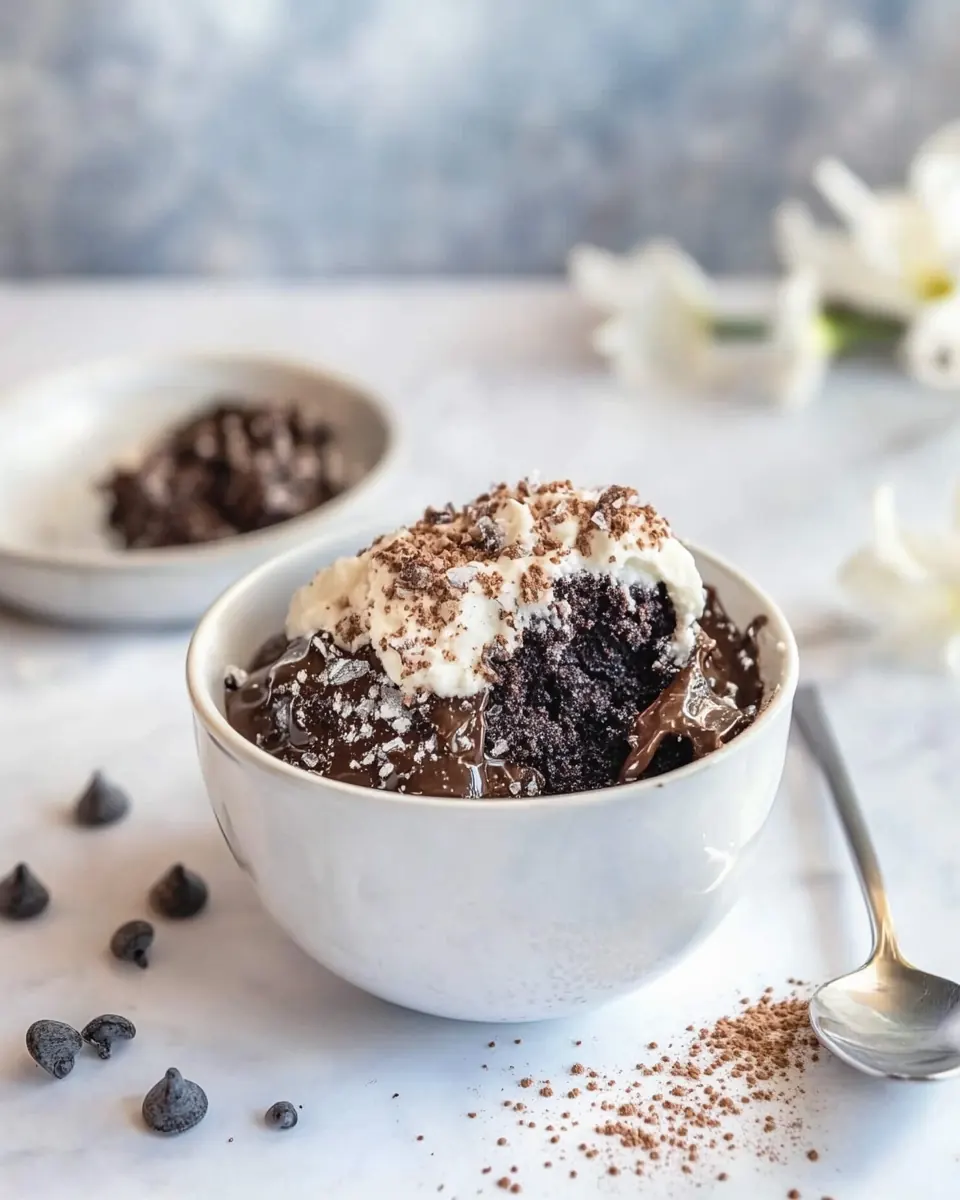
Now start adding the wet ingredients. Start with the oil.: Right out of the microwave you should see a firm edge and a tender center with melted chips on top that glisten. The aroma will be intensely chocolate forward. Let it rest briefly to avoid burning your mouth, because the center retains heat. Cutting into it too soon can cause it to collapse and lose its fudgy texture.
Then add in vanilla.: Serving immediately gives you warm, melt in your mouth bites, and the contrast of cold ice cream or a drizzle of caramel heightens the experience. I like to add a spoonful of something cool for contrast, but it is delightful alone as well. Be mindful that toppings may cause the surface to become soggy if left too long, so add them just before serving.