Season shrimp with salt and pepper.: Right away you should notice the salt pulling out the shrimp's natural scent, making it smell slightly briny and fresh. This seasoning helps the crust to stick and ensures the meat is seasoned beneath the coating, which matters because awaiting sauce will not fully penetrate the shrimp. A common mistake is over salting, which can make the shrimp taste too intense after frying. Pat the shrimp dry first to avoid steam under the crust, which would prevent crisping.
In a large Ziploc bag, combine flour with garlic powder, onion powder, cayenne, smoked paprika, oregano, and thyme.: The dry spices will release a warm, aromatic scent when mixed, with smoky and peppery notes upfront. This step sets the flavor foundation for the crust, so make sure the powders are evenly distributed to avoid hot pockets of spice. Clumps in the flour can lead to uneven browning, so shake or whisk until smooth. If the mix smells overly peppery, you can reduce the cayenne next time to better suit your palate.
Add the shrimp to the bag with the flour mixture, seal, and shake to coat the shrimp.: As you shake, you'll hear the flour tumble and see each shrimp become dusted in a matte, powdery layer, which is key for that deep golden crisp. The tactile feedback matters; if a piece feels damp, it may not crisp properly, indicating the shrimp needed more drying beforehand. Overcrowing the bag can cause uneven coating, so work in smaller batches if needed.
Transfer the coated shrimp to a wire rack placed on a sheet pan. Place in the fridge for 20-30 minutes. Do not discard the remaining flour in the Ziploc bag.: Chilling firms the coating so it adheres through frying, and the cold crust meets hot oil to create maximum crisp. The visual cue is a dry, settled flour layer rather than loose dusting. A common misstep is skipping this rest and ending up with flour that falls off during frying. Keep that leftover seasoned flour for a second shake to refresh the coating before frying.
Add 2 inches of oil to a Dutch Oven, or if using a deep fryer, fill with oil per the manufacturer's instructions. Preheat the oil to 350°F/180°C.: As the oil heats you’ll see subtle ripples and eventually a faint shimmer on the surface, signs it’s nearly ready. Maintaining the correct temperature is crucial; too hot and the exterior will brown before the shrimp cooks through, too cool and the shrimp will absorb oil and become greasy. Use a thermometer to avoid guesswork, and avoid overcrowding the pot which drops the temperature drastically.
Make the buffalo sauce by combining the butter with hot sauce and honey. Set aside.: When you mix warm butter with Frank's Hot Sauce and honey , the aroma becomes rich and tangy, with a hint of sweetness. Keep the sauce warm but not boiling, so it emulsifies smoothly and coats the shrimp evenly. If the butter separates, whisk gently over low heat to recombine. Overheating can flatten the flavor, so hold it at a gentle temperature until needed.
Remove the shrimp from the fridge, and return to the Ziploc bag and shake again with the flour mixture. Shaking off any excess flour, drop into hot oil and fry for 2-3 minutes, depending on the size of the shrimp. Work in batches to avoid overcrowding the pan.: As the shrimp hits the oil you’ll hear an energetic sizzle, and within moments the pieces will take on a golden brown color. The scent of browned spices and hot oil is a good indicator the crust is forming. Flip or stir gently if using a basket to ensure even color. A common error is frying too many at once which cools the oil and yields soggy results, so keep batches small and monitor color closely.
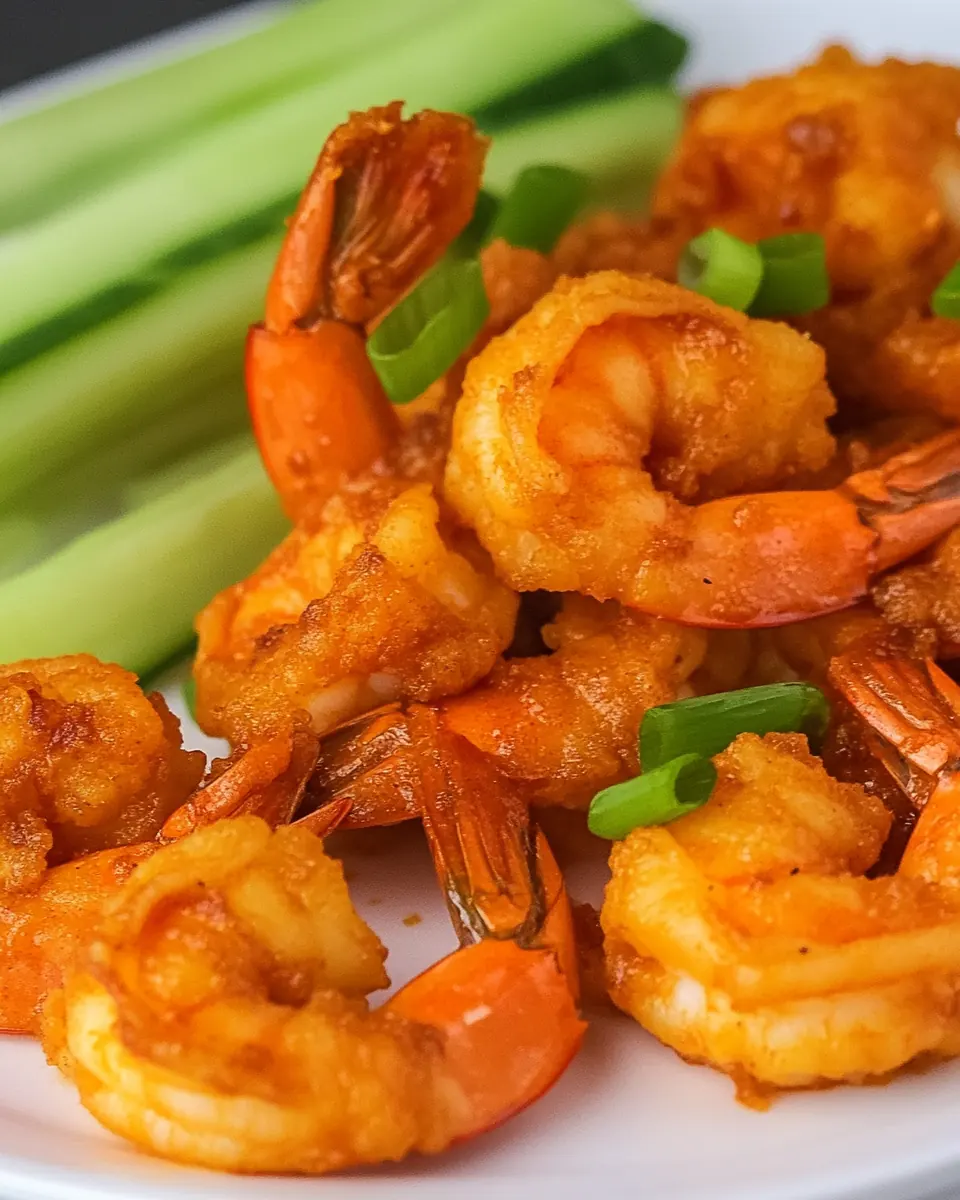
While still hot, toss fried shrimp in the buffalo sauce.: The heat of the shrimp helps the sauce cling, creating a glossy, spicy coating that beads on the crust and releases a rich buttery aroma. Toss gently to avoid breaking the crisp coating, and serve immediately to capture the contrast of hot, crunchy shrimp and velvety sauce. If you let them sit too long before saucing, the crust can cool and lose its crispness, so time this step right before serving.