Preheat oven to 350°F, and coat an 8-inch baking dish with olive oil or cooking spray.: As the oven warms, you should feel the kitchen slowly become warmer and notice a faint dry heat in the air, which helps create even browning on the gratin edges. Preheating ensures the dish hits the oven at the right temperature, allowing the top layer to set correctly rather than steaming. If the oven is not fully preheated you may end up with a watery texture and delayed browning, so always wait until the oven signals it has reached temperature. Brush the baking dish with a thin film of extra virgin olive oil so the gratin releases easily, and place the dish on the middle rack for balanced heat circulation.
In a large pot with a steamer insert, bring a couple of inches of water to a boil, add the squash to the steamer rack, and steam about 20 minutes, until very tender.: When the steam rises, you will smell the sweet, roasted notes of the butternut squash even before it is fully soft. Steaming preserves moisture and natural sugars, resulting in a smoother puree than boiling. Test tenderness with a fork; it should sink in easily and the flesh should feel pillowy. A common mistake is undercooking, which leads to gritty puree, so check in multiple chunks. Keep the water at a gentle boil so the squash cooks through without becoming waterlogged.
Transfer squash to a blender or food processor and puree until smooth. Season with salt and pepper to taste.: The puree should be glossy and uniform, with no fibrous strands left behind. As you blend you may notice a sweet, nutty aroma rising, and a smooth sheen indicates the right texture. Pureeing when the squash is hot helps it emulsify with a small amount of olive oil , yielding a silkier mouthfeel. Avoid overfilling your blender; work in batches if necessary to get an even texture. A common pitfall is leaving tiny lumps, so scrape down the sides and blend until completely smooth.
Spread half of the squash in the prepared dish. Top with half of the pesto, dropped in small dollops then carefully spread over the squash. Sprinkle half of the cheese over the pesto.: After pureeing, seasoning is where the dish comes to life. Add small amounts of kosher salt and pepper , taste, and adjust until the squash tastes bright rather than flat. The salt enhances the squash's natural sweetness and helps the cheeses shine. Over-salting is an easy error, so season incrementally and taste with a small spoon. Remember that the parmesan cheese and gorgonzola cheese will contribute saltiness as well, so leave room for that final adjustment.
Repeat the layers.: Gently spoon the puree into the oiled dish, smoothing it with an offset spatula to create an even base. The surface should look creamy and uniform, not gloppy or separated. A level foundation helps the pesto and cheeses distribute evenly, preventing heavy pockets. If the layer is too thin the final gratin may dry out, so aim for a consistent, substantial base that fills about half the depth of the dish.
Bake for about 40 minutes, or until heated through and browning around the edges.: Dolloping the pesto creates flavor pockets that melt into the squash rather than blending away entirely. As you spread, you should see little green swirls, offering visual contrast. The scent of sage will lift through the kitchen, promising herbaceous highlights. Avoid overworking the pesto into the puree; gentle spreading keeps those concentrated bursts intact. A common mistake is spreading too aggressively, which causes the pesto to disappear into the squash.
In a blender of food processor, combine all of the ingredients except the cheese and puree until smooth.: Scatter the crumbled gorgonzola cheese and a portion of the parmesan cheese evenly so that each bite will include creamy, salty bits. You should see small white and cream specks across the green pesto. The cheese will start softening as it sits on the warm squash, and during baking it will melt into pleasurable pockets. Avoid clumping the cheese in one area, as that creates uneven melting and overpowering bites. Aim for balance across the surface.
Stir in the cheese, and adjust seasoning with salt and pepper to taste.: Add the remaining squash and then repeat the pesto and cheese layers, finishing with the parmesan cheese on top. As you build the second layer, the dish should feel substantial but not overfilled; leave a small margin to allow bubbling and slight expansion. The top layer of cheese will brown and provide a pleasing textural contrast to the creamy interior. A typical error is overfilling the dish, which can cause spillage and uneven baking, so leave a little headspace.
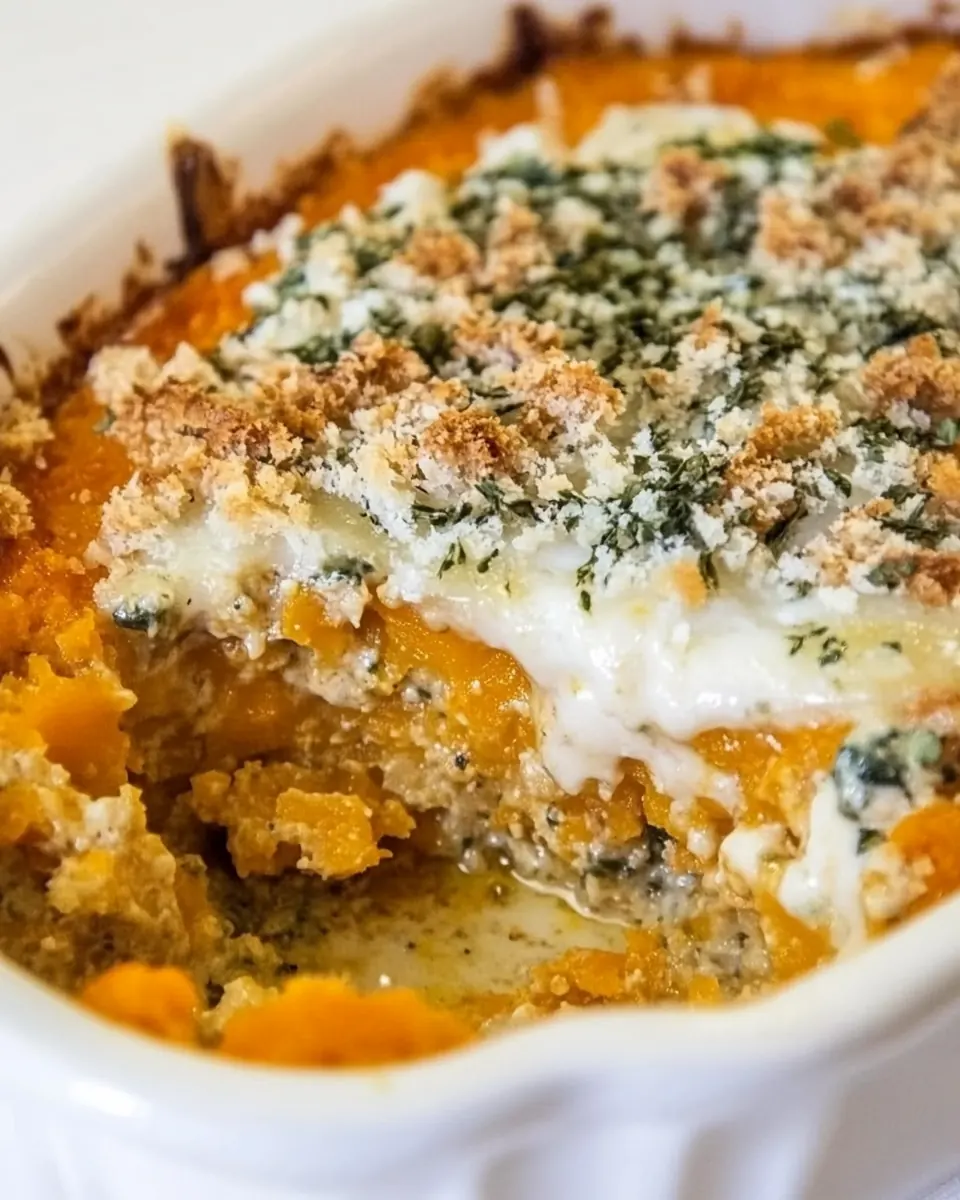
Bake for about 40 minutes, or until heated through and browning around the edges: While baking you will notice the edges darkening and a gentle bubbling at the seams. The aroma of baked squash and savory cheeses will deepen as sugars caramelize and the top takes on color. Use visual cues more than exact timing because oven temperatures vary; look for golden-brown edges and a set center. Avoid opening the oven repeatedly, which drops temperature and extends cooking time. If the top browns too quickly, tent loosely with foil to prevent burning while allowing the center to finish warming.
In a blender of food processor, combine all of the ingredients except the cheese and puree until smooth: This step refers to making the sage pesto. As you blend fresh sage leaves , extra virgin olive oil , walnuts , and seasoning, you will smell an intense herbaceous lift that complements the squash. The pesto should be vibrant green and slightly textured so it holds small pockets of flavor in the gratin. Over-blending will produce a completely liquid sauce that disperses too evenly, so stop when you still see flecks of herb and nut for the best mouthfeel.
Stir in the cheese, and adjust seasoning with salt and pepper to taste: Finally, fold in a portion of the parmesan cheese or reserve a small amount for topping, tasting as you go to balance salt and pepper. The cheese will mellow the pesto and add savory umami, bringing harmony to the herb and nut flavors. If the pesto tastes flat, a pinch of kosher salt will brighten it; if it feels too bitter, a touch more olive oil smooths it out. A common mistake is over-salting at this stage, so taste again after mixing in the cheese before using in the gratin.