Boil a salted pot of water for the fettuccine. Cook it al dente according to package directions.: The moment the water hits a rolling boil you will smell the minerality that tells you it is ready to accept pasta. A lively bubbling sound means the water is at the right temperature to cook evenly, and adding salt now seasons the fettuccine from the inside out as it hydrates. Use about the amount of salt that makes the water taste slightly sea like, because under salting here will leave the pasta bland. One common mistake is adding pasta before the water is fully boiling, which can cause sticking and uneven cook; wait for a real rolling boil before dropping it in.
Microwave the cream cheese in 20-30 second intervals until very soft.: When the fettuccine hits the boiling water, stir gently to separate the ribbons and prevent clumps. You want a firm bite, with a bit of resistance in the center, because it will continue to soften when tossed with the sauce. Keep an eye on the clock and taste a strand a minute or two before the lower end of the package time to avoid overcooking. A frequent error is overcooking for perceived tenderness, which ruins texture once the pasta sits in sauce.
Meanwhile, add the butter, cream cheese, cream, garlic, and Cajun seasoning to a skillet over medium heat. Once the butter has melted and the pan has heated up, use your spoon to help the cream cheese melt into the sauce, or use a whisk.: The softened cream cheese should give under a spoon with minimal resistance, and you may notice a faint aroma as it warms. Short bursts in the microwave prevent uneven hotspots and melting into oil, which helps it blend seamlessly. If you overheat it, it can separate and become grainy, so warm just until supple and workable.
Once the cream cheese has been incorporated into the sauce, let it gently bubble for 3-4 minutes or until the sauce has reduced a bit. Stir occasionally.: As the butter melts you will hear a gentle sizzle, and the garlic will release its fragrant, toasty notes without browning. The pan should be hot enough to coax the cream cheese to integrate, but not so hot that the dairy scalds. Gently whisking or stirring helps the ingredients come together into a uniform cream. Watch carefully because high heat can cause the cream to separate into oily pockets, a mistake that is hard to reverse.
Stir the parmesan into the sauce, and let it melt in (about 30 seconds), then take the pan off the heat. The sauce should be thick enough by now, but if you want to reduce it more, cook it for a little longer. If needed, add a small splash of the hot pasta water to the skillet prior to draining the pasta to thin the sauce. Toss with the drained pasta, season with salt & pepper as needed, and serve immediately.: You will see the texture transform from patchy lumps into a glossy stream as the cream cheese disperses. This is when the sauce begins to feel luxurious, and the whisk action traps air to lighten it slightly. If lumps persist, lower the heat and stir more slowly, because forcing speed by increasing heat invites curdling. Avoid scraping burned bits off the pan into the sauce, as those flavors are bitter.
Once the cream cheese has been incorporated into the sauce, let it gently bubble for 3 to 4 minutes or until the sauce has reduced a bit: During this short simmer you will notice the sauce thickening and the aromas intensifying. Those tiny bubbles along the edges indicate proper gentle simmering, which concentrates flavor without breaking the emulsion. Stir occasionally to prevent sticking and to ensure even reduction. A common misstep is letting it boil hard, which can separate the fats from the liquids and ruin the silky texture.
Stir the parmesan into the sauce, and let it melt in about 30 seconds then take the pan off the heat: As you fold in the freshly grated parmesan cheese , it dissolves into the warm cream, deepening the savory profile and slightly thickening the mixture. Removing the pan from heat right after melting preserves a smooth, non grainy finish because excessive residual heat can make cheese get stringy or oily. If the cheese does seize, a splash of warm pasta water can help reincorporate it, so keep that option handy.
The sauce should be thick enough by now, but if you want to reduce it more, cook it for a little longer: When you see the sauce coat the back of a spoon and leave a defined line when you run your finger through it, you have the right viscosity. Visual cues like cling and sheen tell you it's ready. If you prefer a thinner consistency, hold back on additional reduction and instead adjust with reserved hot pasta water for a silkier finish. Over reducing can lead to an overly heavy, almost gluey mouthfeel, so tread carefully.
If needed, add a small splash of the hot pasta water to the skillet prior to draining the pasta to thin the sauce: That hot starchy water acts like culinary glue, helping the sauce emulsify and stick to the fettuccine . Add it gradually, whisking to see how the texture changes; often a few tablespoons is all you need. A mistake here is adding cold water which shocks the sauce and can lead to separation, so always use hot pasta water.
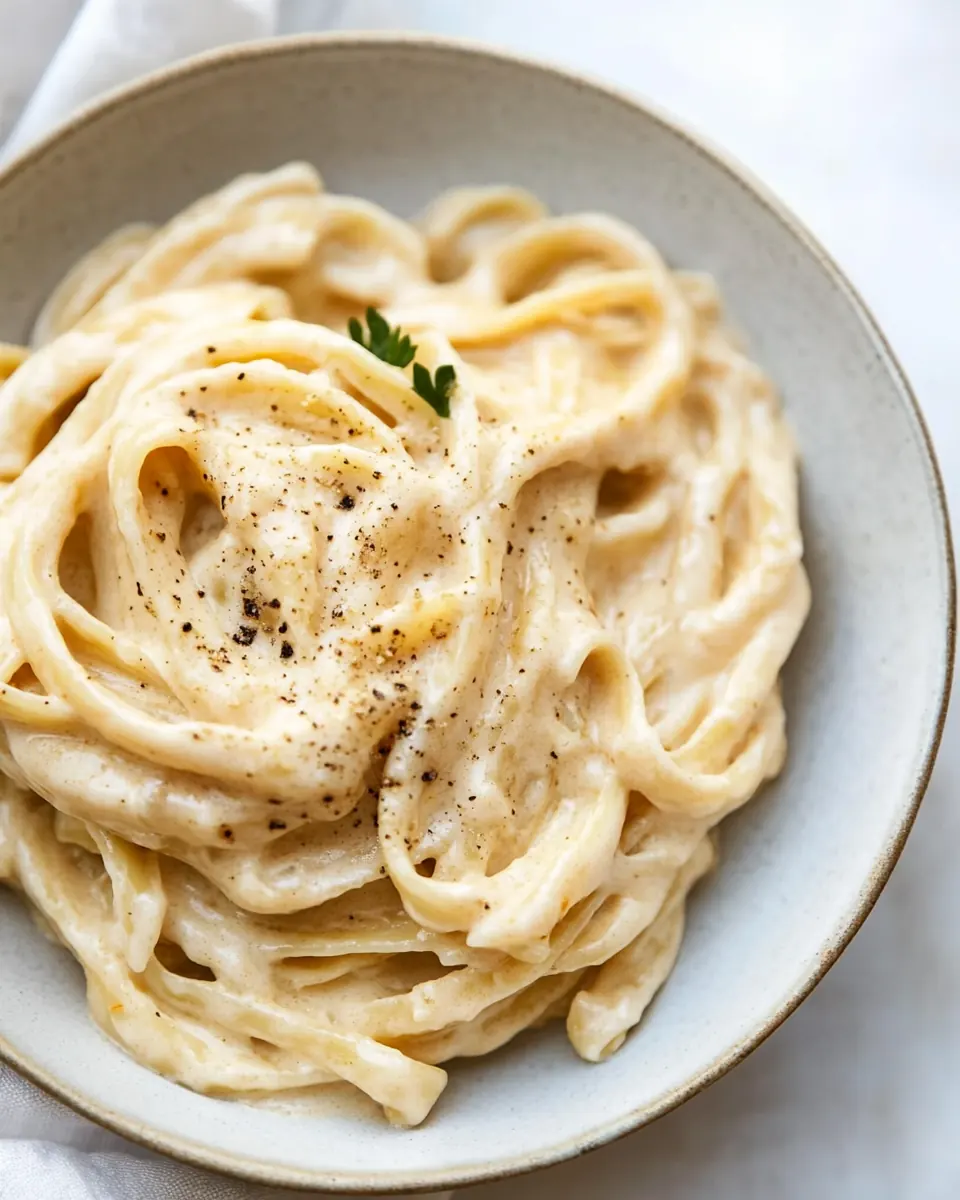
Toss with the drained pasta, season with salt & pepper as needed, and serve immediately: The final toss should be energetic enough to coat every ribbon but gentle enough to avoid snapping the strands. You will hear a soft gliding sound as the sauce wraps around the pasta and see a glossy finish. Taste before adding extra salt because the parmesan cheese and Cajun seasoning may have already provided plenty. Serving immediately preserves the ideal texture; letting it sit will thicken and change the mouthfeel.