In a large mixing bowl, mix butter and sugar together. Add vanilla extract and mix until well combined.: The mixture should feel light and airy when properly creamed, with a faint sweet aroma and a pale, slightly fluffy appearance. Use a paddle or a sturdy spoon and work long enough that the butter and granulated sugar meld into a smooth mass, you should hear a subtle change as sugar crystals begin to integrate. This step matters because incorporating air at this stage produces a tender crumb in the finished cookie. If you hurry, you will end up with dense cookies, so take your time and scrape the sides of the bowl often. A common mistake is using butter that is too cold, which will not cream properly, or too warm, which will make the batter greasy. If creaming stalls, chill the bowl briefly and continue.
In a separate bowl, combine flour, add baking soda and salt until well mixed. Add to butter mixture and stir together. This mixture will be dry and you may need to work with your hand until a crumbly dough is formed.: As the vanilla extract folds in, you will notice a warm, inviting scent that instantly makes the dough feel more complete. The motion should be gentle, just enough to distribute the flavor evenly so every bite tastes balanced. This matters because even small amounts of flavoring enhance perception of sweetness and richness. Avoid overmixing at this point, which can change texture. If the vanilla pools or seems uneven, pause and stir by hand to ensure uniformity.
Add milk and stir together until a soft dough is formed. Divide dough into 2 equal parts, and add red food coloring (as much as needed to reach the color you desire) to one half of the dough, stirring well to combine.: Mixing the all purpose flour , baking soda , and salt creates an even distribution of leavener and seasoning, which prevents pockets of uneven rise or salty bites. You should see a uniform pale powder with no visible streaks. Sifting is optional but helps aerate the flour. This step matters because even distribution yields consistent texture and flavor. A typical error is dumping the leavening on top without blending, leading to uneven texture. If you spot lumps, whisk until smooth.
Cover dough and place in refrigerator to chill for 30 minutes.: When the dry mixture meets the creamed butter mixture, the dough will look crumbly at first, with small clumps forming as flour hydrates. Use a sturdy spoon, folding gently until clumps form and there are no large dry pockets. The reason this stage feels dry is that the recipe intentionally keeps the dough firm enough to roll. If you stir too aggressively you may develop gluten, resulting in tougher cookies. If the dough feels too dry to come together, proceed to the next step where milk is added to bring it together.
When ready to bake, preheat oven to 350 degrees F. Divide each ball of dough (colored and plain) into four equal sized portions. By hand roll each piece of dough into a ball shape, then roll each ball into a rope shape that is approximately 20″ long.: As you incorporate the milk , the dough will turn silky and pliable, with a slight sheen under kitchen lights and a tender, slightly tacky feel. This step matters because moisture concentration determines how well you can roll the dough into ropes. Work gently so the dough remains cohesive but not sticky. A common mistake is adding too much liquid at once, yielding a gummy dough. If you end up with sticky dough, chill it briefly to firm up before shaping.
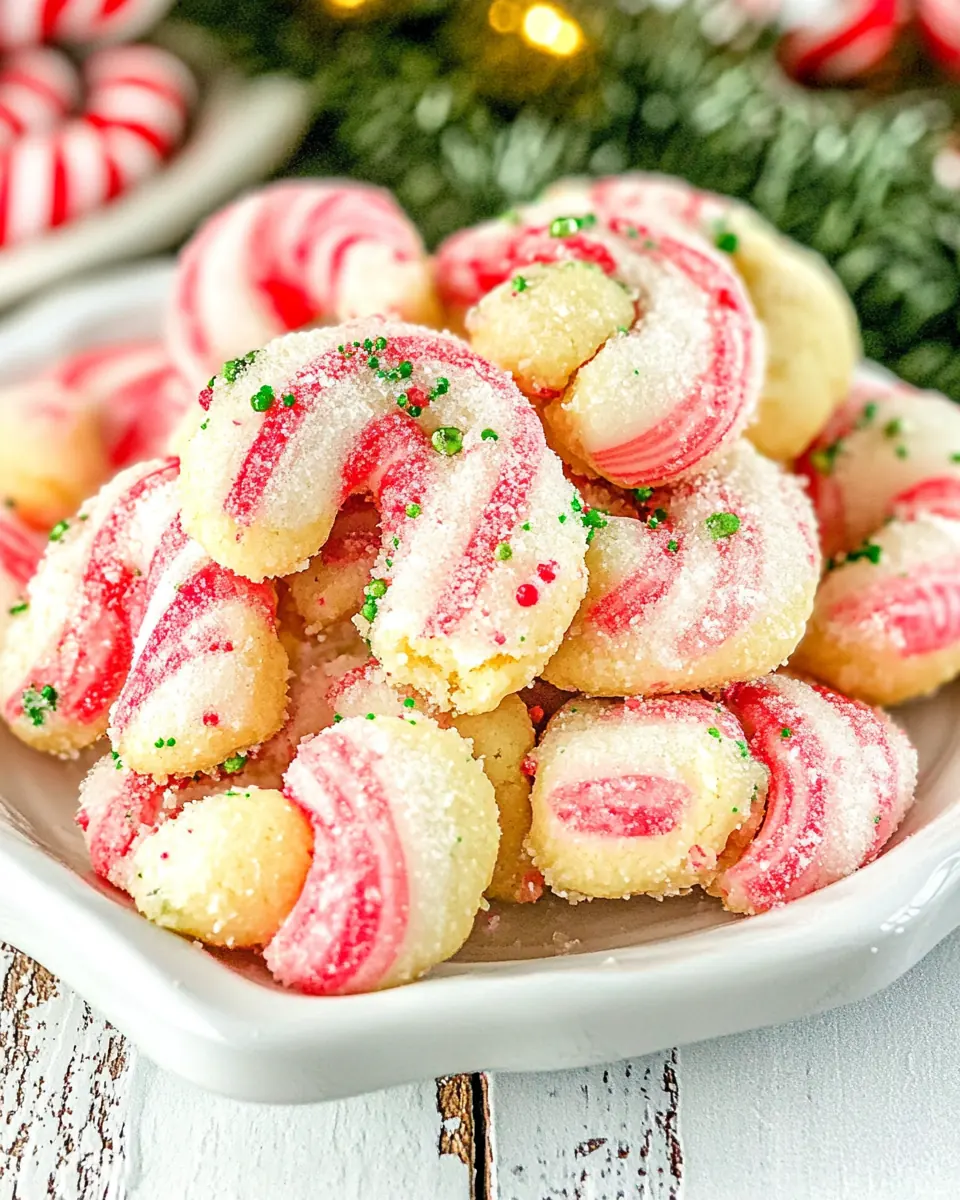
To create the candy cane look, place a red dough rope and white dough rope next to each other, and cut the ropes into five equal size pieces. Twist the ropes and shape into the standard candy cane shape and appearance. Gently transfer onto a baking sheet. Repeat the same process with remaining dough. Make sure to leave a bit of space between the cookies on the cookie sheets.: When you split the dough, each portion should be roughly the same weight so your stripes are balanced. Knead the red food coloring into one half until color is uniform and vivid, kneading with light, patient strokes. Gel color is ideal because it gives saturated hue without altering dough hydration. This matters because even coloring ensures consistent appearance across cookies. A usual misstep is uneven coloring, which results in marbled rather than striped dough. If color stains your hands, use gloves or dust with a little flour to prevent transfer.
Bake for approximately 20 minutes or until starting to turn a light golden brown. Remove from oven and allow cookies to cool on baking sheet, place on a wire cooling rack, for approximately ten minutes prior to moving.: Chilling firms the fat, making the dough much easier to roll and shape. You will notice the dough feel denser and less sticky after chilling, and it will hold ropes and twists without sagging. This step is critical for preserving shape during baking, because warm dough will spread. A common error is skipping chilling, which yields misshapen cookies. If you need to chill longer, the dough tolerates up to an hour, just let it warm slightly before rolling if it becomes too stiff.
Once cookies have cooled completely, sprinkle with powdered sugar.: The oven should reach the steady, even heat of 350 degrees F before you place cookies inside, so they set quickly and brown properly at the edges. While it preheats you should divide and roll the dough, keeping the surface lightly floured. Proper oven temperature matters for texture and color, preventing underbaked centers or burned edges. A common mistake is placing cookies into an underheated oven, which can cause excessive spread. Use an oven thermometer if you suspect your oven runs hot or cold.
Divide each ball of dough into four equal sized portions and roll into ropes approximately 20 inches long: When you form ropes, the dough should feel smooth and slightly cool to the touch, with a consistent thickness along the length. Rolling should be even, applying gentle pressure until the rope is uniform, and you will hear a soft, quiet friction as dough moves on the counter. This step matters because uniform ropes produce even twists and predictable baking. One mistake is pressing too hard, which compresses the dough and ruins the texture; if that happens, reshape gently and chill briefly.
Place a red dough rope and white dough rope next to each other, cut into five equal pieces, twist and shape into candy cane shape: As you pair ropes and twist, you should see the stripes align and spiral together. The dough will flex and hold shape, and you can slightly curve the top to create the hook. This technique matters because the visual candy cane identity relies on neat twisting. Avoid over twisting which can flatten the ropes. If pieces unstick, a light dab of water at the seam helps them adhere without altering flavor.
Gently transfer onto a baking sheet leaving space between cookies: Lift carefully and place each shaped cookie onto the prepared sheet, spacing them so air circulates between pieces and they can brown evenly. You may sense a faint resistance when the dough is ready to bake, meaning it will keep its shape. This placement matters because crowding causes cookies to fuse. The common error is crowding the sheet, so bake in batches if needed. If cookies spread too much while baking, reduce oven temperature slightly next batch.
Bake for approximately 20 minutes or until starting to turn a light golden brown: While baking you will notice a warm, buttery aroma transforming into a deeper, toasted note, and the edges will become slightly golden while centers remain tender. Timing is important to achieve the ideal texture, so watch for visual cues rather than relying only on a timer. A typical mistake is overbaking, which yields dry cookies; remove them when the edges just begin to color. If your oven runs hot, check five minutes early.
Remove from oven and allow cookies to cool on baking sheet for approximately ten minutes prior to moving: The cookies continue to set as they cool, with steam leaving the center and edges firming slightly. Leaving them on the sheet prevents tearing while they are still delicate, and after ten minutes they will lift cleanly. This matters because cooling stabilizes structure. A frequent error is moving them too soon, which can cause breakage. If one sticks, slide a thin spatula underneath and let it rest a few more minutes.
Once cookies have cooled completely, sprinkle with powdered sugar: The final dusting of powdered sugar adds a soft, snowy appearance and a gentle surface sweetness, settling into crevices and enhancing presentation. The powdered sugar should be applied when cookies are cool to avoid melting into the surface. This finishing touch matters for aesthetics and a subtle flavor lift. A mistake is sifting sugar onto warm cookies, which will dissolve the powder; wait until fully cool for the best effect.