With an electric mixer, beat the butter, powdered sugar, vanilla extract, and peppermint extract in a large mixing bowl until light and fluffy. Beat in the flour and salt, then the nuts until evenly blended. Divide the dough in half, form each half into a disk, then wrap tightly in plastic and refrigerate for 30 minutes.: Warm, aerated butter smells rich and sweet, and you'll notice the mixture lighten in color and fluff up as air is incorporated, which yields a tender final cookie; the creaming step is critical for texture, because it creates tiny air pockets that help the dough spread gently during baking; listen for a consistent, soft whir from the mixer and watch the paddle movement to know when it's right; a common mistake is undercreaming which gives dense cookies, so don't rush this stage and scrape the bowl to ensure even mixing.
Preheat your oven to 325 degrees F and line a baking sheet with parchment paper or a silpat mat. With a cookie scoop or spoon, portion the dough and roll into 1-inch balls. Place the balls 1 inch apart on the prepared baking sheet. Bake for 15-20 minutes, until the cookies are just set but not yet brown. Transfer to a wire rack and let cool completely (if you would like to roll some of the cookies in powdered sugar to make a traditional version of snowball cookies without the chocolate and peppermint, do so now while the cookies are still warm. Leave any cookies you’d like to top with chocolate plain and let cool.): As the dry flour folds in, the mixture will transform from glossy to a slightly doughy, matte appearance and you should stop when no streaks of flour remain; the finely ground, toasted nuts will integrate to add grain and flavor without making the dough gritty; the reason this matters is that overmixing develops gluten and makes cookies tough, so mix just until incorporated; if you see strings of dough forming or a sticky, elastic texture, you've mixed too long, so pause and chill if needed.
In a heatproof bowl set over a pan of simmering water, melt the white chocolate. Ensure the bottom of the bowl does not touch the water and that the water doesn’t boil. Alternatively, you can melt the chocolate in the microwave in 15-second bursts, stirring between each and watching carefully so that the chocolate doesn’t burn. When the chocolate is nearly melted, remove it from the heat (or microwave) and stir until smooth.: Chilling firms the dough, making it easier to portion and helping the cookies hold shape, while the butter solidifies which reduces spread during baking; the surface will feel cool and slightly firm to the touch after chilling; avoid skipping this because warm dough can flatten and lose that delicate, shortbread like bite; a common slip is insufficient chilling time, so if your kitchen is warm, add an extra 15 minutes to be safe.
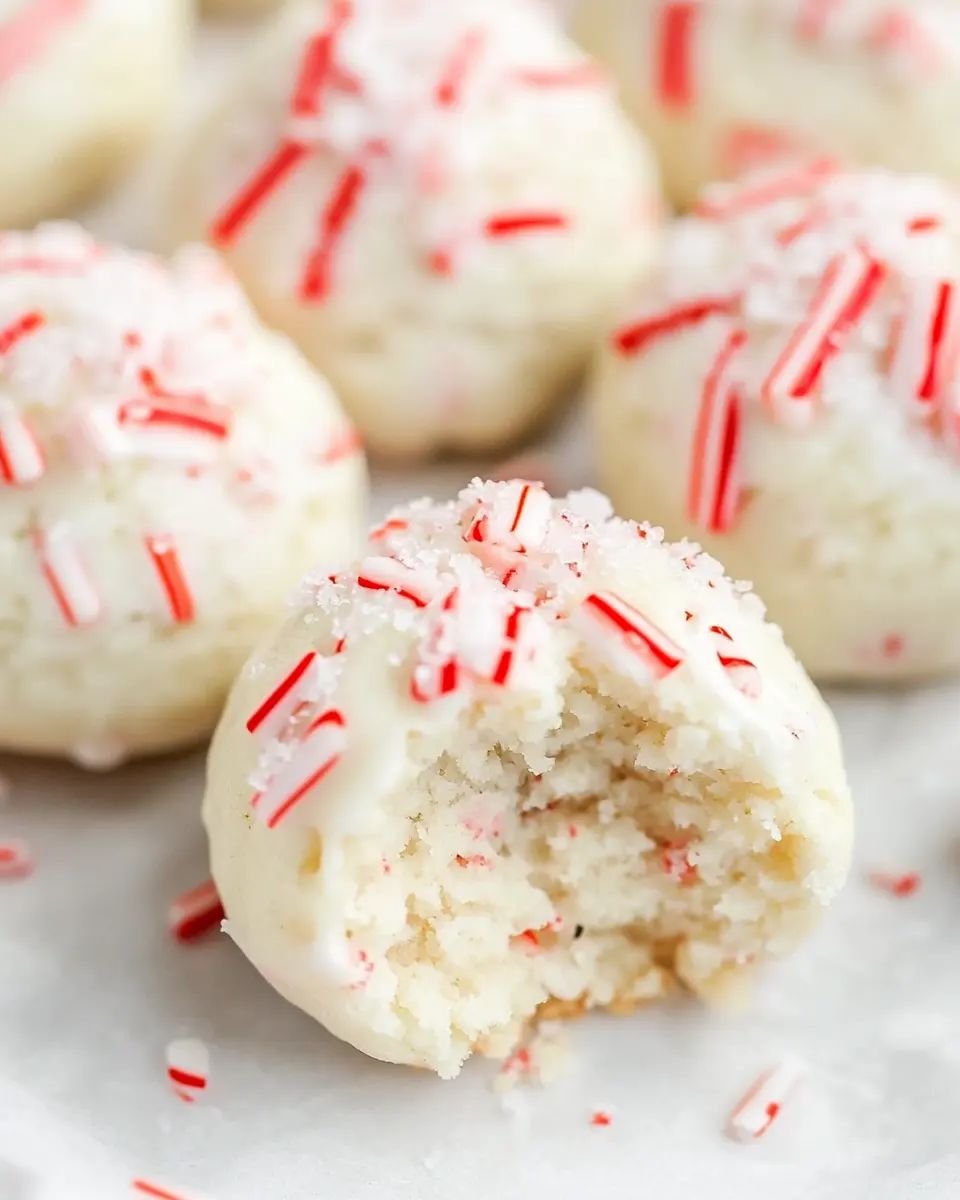
Dip the tops of the cookies into the white chocolate, then immediately sprinkle with crushed peppermint candies while the chocolate is still wet. Transfer to a plate to let the chocolate set. Enjoy!: A consistent oven temperature ensures even baking, and the lined surface prevents sticking while promoting gentle browning on the bottom; you should feel a steady heat when you open the oven and see the racks warm; incorrect rack placement can lead to uneven tops, so position the sheet in the center of the oven for best results; an error to watch for is baking on a warped sheet which can cause uneven cooking, so use a flat tray.
With a cookie scoop or spoon, portion the dough and roll into 1 inch balls: The dough will feel soft yet cohesive and should roll into smooth spheres with minimal cracking; uniform sizing ensures even bake times and consistent texture from cookie to cookie; if the dough sticks to your hands, chill briefly or lightly dust with powdered sugar; a classic mistake is inconsistent sizing, which creates some cookies that are overdone while others are underbaked, so aim for steady portions.
Place the balls 1 inch apart on the prepared baking sheet: Leaving space lets the cookies expand slightly without touching, which preserves their round shape and prevents them from fusing into one mass; visually, you want a little breathing room between each ball; if cookies bake too close, edges can bake harder where they meet, so arrange thoughtfully; avoid crowding the pan, and if needed bake in batches.
Bake for 15 to 20 minutes, until the cookies are just set but not yet brown: You'll notice a delicate, pale surface that feels set when gently touched, and the aroma will turn buttery and faintly nutty as the nuts toast further; this timing preserves the tender interior so the cookies remain soft rather than crisp; a telltale misstep is waiting for color change, which can overbake these delicate treats, so watch for the subtle set rather than deep browning.
Transfer to a wire rack and let cool completely: Cooling on a rack allows air to circulate, preventing steam from making the bottoms soggy and ensuring the dough firms to the proper texture; cooled cookies will hold shape and accept decorations more cleanly; if you roll some in powdered sugar while warm for a traditional finish, do it now, because the residual warmth helps the sugar adhere; a common problem is stacking warm cookies which traps moisture, so cool fully before storing.
In a heatproof bowl set over a pan of simmering water, melt the white chocolate: The gentle steam heat melts white chocolate smoothly without seizing, producing a glossy texture that clings when you dip; you should stir until the chocolate is nearly fluid but not hot to the touch; rushing with direct high heat can scorch or cause graininess, so maintain a low simmer and avoid water contact with the bowl to prevent seizing; microwaving in short bursts is an alternative if you watch carefully.
Ensure the bottom of the bowl does not touch the water and that the water doesn t boil: Preventing direct contact and vigorous boiling keeps the chocolate from overheating and separating; watch for a gentle steam and stir frequently to finish melting with residual heat; overheated chocolate can become thick and dull, which makes it hard to dip; if your chocolate thickens, add a small amount of neutral oil or warm cream to revive it, but avoid adding cold liquids which will seize the mixture.
Dip the tops of the cookies into the white chocolate, then immediately sprinkle with crushed peppermint candies while the chocolate is still wet: The visual is joyful, with glossy white tops catching red candy shards, and the contrast between creamy chocolate and crunchy crushed candy canes is delightful in texture; the chocolate should be fluid enough to coat cleanly and the candies will adhere if you sprinkle right away; a mistake is letting the chocolate set before adding the candy which prevents it from sticking, so work in small batches and have your crushed candies handy.
Transfer to a plate to let the chocolate set: Allow the coating to firm at room temperature or in a cool spot until it becomes matte and stable; once set, the cookies stack neatly and the candy stays in place; avoid placing them in high humidity areas which can cause the chocolate to bloom or weep, and if you need to speed things up, chill briefly but not so long that condensation forms when removed.
Enjoy: These cookies offer a balance of tender crumb, nutty warmth, creamy coating, and peppermint crunch; serve them at room temperature so the texture is at its best and the flavors are pronounced; a common oversight is serving them cold out of the fridge which dulls the aromas, so let them rest a bit before sharing.