Preheat the oven to 350°F. Generously spray two 9-inch round cake pans with baking spray (Baker’s Joy or generic version). Set them aside.: You will notice the oven warming and a faint scent as it reaches temperature, which helps the cake begin baking immediately and evenly. Making sure the oven has fully preheated prevents uneven rise and a dense center. A common mistake is putting the pans in before the oven hits 350°F, which can yield underbaked middles, so always allow the oven a few extra minutes to stabilize.
Using a large mixing bowl, whisk together the flour, sugar, cinnamon, baking powder and baking soda.: The oil in the spray provides a thin, even coating that releases the cakes cleanly when they are baked, and you will hear a soft rustle when you tap the pan to check for slickness. If you skip this step or undercoat, cakes can stick; instead brush a thin layer of oil and dust with flour if you do not have baking spray.
Add in the vegetable oil and eggs. Using a handheld mixer on medium speed, blend the ingredients just until well combined.: As you whisk, the dry ingredients will become evenly blended and you may see the cinnamon distribute into the lighter flour. This uniformity ensures consistent flavor and rise. A frequent error is to add wet ingredients to unmixed drys, which can create pockets of leavening and uneven texture, so take the extra moment to whisk thoroughly.
Fold in the shredded carrot and chopped pecans.: When you incorporate the oil and room temperature eggs, the batter will take on a glossy appearance and loosen noticeably. Using a handheld mixer on medium speed helps emulsify the fat into the drys for a smooth result, and you'll hear a steady mixing sound rather than splattering. Avoid overbeating after adding the oil because that can develop gluten and make the cake tough.
Divide the cake batter evenly between the prepared cake pans. Bake for 30 to 35 minutes, or until a toothpick inserted comes out clean.: The batter will thicken and show flecks of orange and brown as you fold, and you should feel slight resistance as the carrots and nuts distribute. Folding gently keeps air in the batter while evenly dispersing add ins. If you stir aggressively, you risk deflating the batter and ending up with a dense cake, so use a gentle hand.
Allow the cakes to cool in the pans, on a cooling rack for 15 minutes. Gently flip the cakes upside down on the cooling rack to remove the pans and continue to completely cool.: Pouring into the pans, you will see the batter settle into smooth domes that reflect light slightly. Level the tops with a spatula for even layers. Uneven filling causes one layer to bake faster than the other, so weigh the pans or eyeball carefully to keep bake times consistent.
Using either a stand mixer, or a medium-sized mixing bowl with a handheld mixer on medium-high speed, beat the cream cheese and butter for 1 to 11/2 minutes.: As the cakes bake, the kitchen will fill with a warm cinnamon aroma and the tops will set into a light golden brown. The toothpick test is the surest cue the center is done, and a clean toothpick means you can remove them. Common mistakes include relying on color alone, which varies by oven, so always test the center for doneness.
Lower the mixer speed to medium, and add in the powdered sugar and vanilla. Mix until the frosting is completely smooth.: The cakes will continue to set as they rest, releasing steam that keeps them moist. Cooling in the pans prevents the delicate crust from tearing, and the cakes will shrink slightly from the pan edges as they relax. Trying to unmold too soon can break the layers, so be patient and wait the full resting time.
Once the cakes are completely cooled, place the bottom cake layer onto a serving plate.: When you invert the pans, you may hear a light sigh as the cakes release, and the exposed crumb should feel springy. Cooling completely is important so the frosting does not melt on contact. A common mistake is frosting warm cakes, which causes the frosting to run, so ensure the layers are fully cool.
Using an offset spatula, spread a thick layer of frosting over the top of the bottom cake layer.: The cream cheese and butter will whip into a paler, airy mixture with a soft sheen, and this step builds the frosting base so it is smooth and spreadable. If either component is too cold, lumps remain; if too warm, the frosting will be too soft, so aim for room temperature.
Carefully place the top layer of cake on top of the bottom frosted layer.: Adding the powdered sugar gradually produces a velvet like frosting, and the mixer will hum more steadily as the sugar dissolves. The vanilla rounds the flavor, and when the frosting becomes completely smooth, it should hold soft peaks. A mistake to avoid is dumping all the sugar at once which can send clouds of sugar into the air and make the frosting gritty.
Using an offset spatula, spread a thick layer of frosting on the top of the cake layer. Frost the sides of the cake as well.: Setting the first layer down, you will feel the gentle weight of the cake and see a stable base for frosting. Choosing a sturdy plate or cake board helps when you move the cake later. Frosting on an unstable base can make assembling difficult, so pick a surface that stays put.
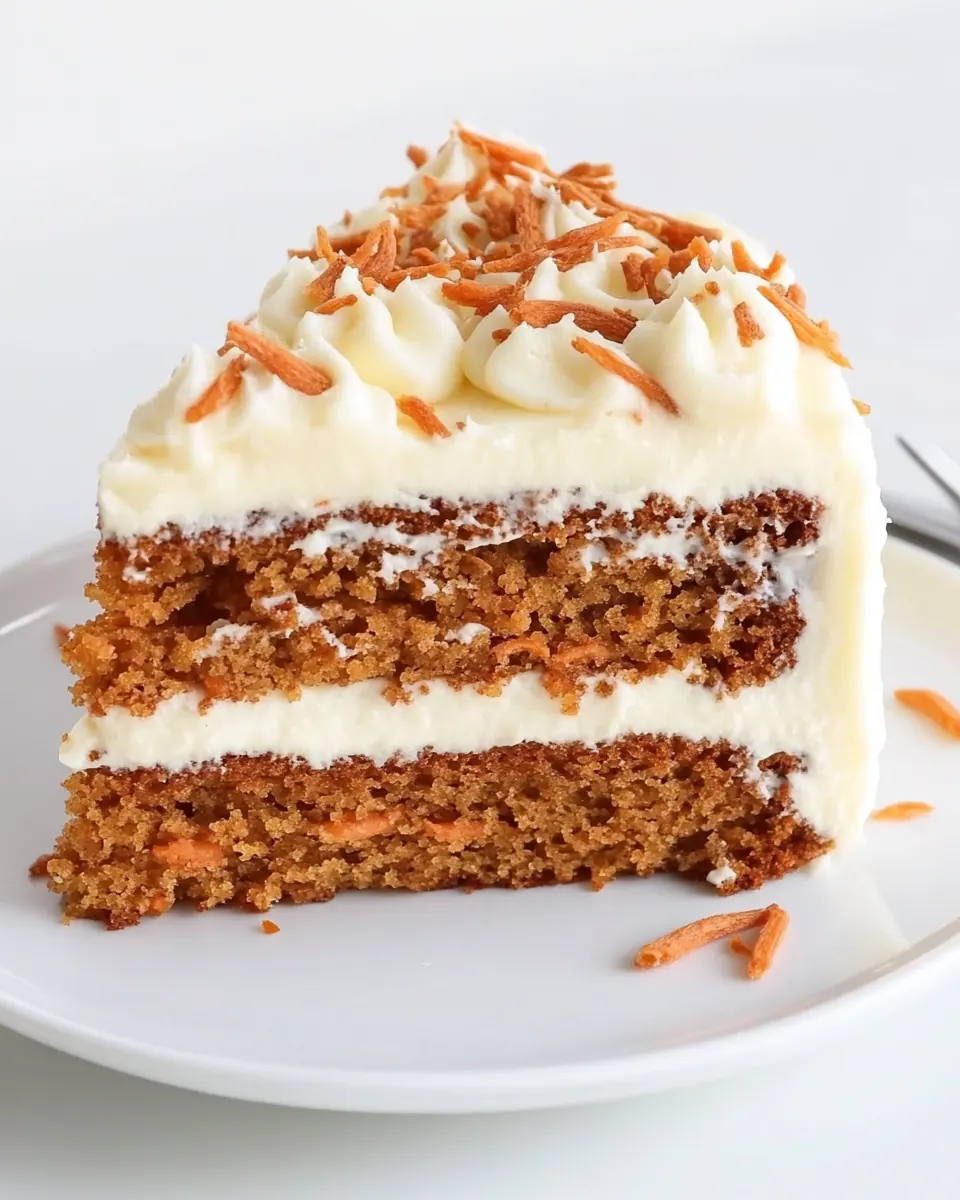
Sprinkle the optional chopped pecans over the very center of the cake. Evenly slice 12 slices when you are ready to serve.: The frosting will glide across the crumb, leaving a creamy, even coat that cushions the top layer. Spreading in steady strokes creates a smooth surface. A troubleshooting tip is to chill the bottom layer slightly if it seems too fragile, which prevents tearing while you spread.
Carefully place the top layer of cake on top of the bottom frosted layer: When you lower the top layer, align the edges gently so the stack looks intentional. The small sound of contact is reassuring, and if the top layer shifts, nudge it into place quickly. Avoid pressing down hard, as that can squeeze out the frosting and compact the cake.
Using an offset spatula, spread a thick layer of frosting on the top of the cake layer: Apply the frosting in sweeping motions until the top is covered, and then turn to the sides, creating an even coat. Take moments to smooth and then texture as you prefer for a homemade look. If the frosting starts to droop, refrigerate briefly to firm it up before continuing.
Frost the sides of the cake as well: With the sides frosted, you will create a cohesive appearance and seal in moisture. Use vertical strokes or a bench scraper for a neat finish. One common mistake is overworking the sides, which can create uneven ridges, so work steadily and pause to rotate the cake.
Sprinkle the optional chopped pecans over the very center of the cake: Adding the nuts brings a toasty aroma and a crunchy focal point at the center, and they will cling better if you press them gently into the fresh frosting. If you want even coverage, press them into the sides as well. Avoid adding them too early if the frosting is warm, because they will sink.
Evenly slice 12 slices when you are ready to serve: Use a clean, sharp knife and wipe it between cuts for tidy slices, and you will notice each piece reveal a tender crumb and ribboned frosting. For the cleanest cuts, chill the cake slightly before slicing. Cutting immediately after frosting can lead to squashed slices, so a short rest helps keep slices pristine.