Preheat oven to 350°F and line a cupcake tin with paper liners.: The kitchen fills with a warm expectation as the oven comes to temperature, and that steady, low heat ensures even rising and gentle browning at the edges. You should hear a quiet hum from the oven, and when you open it the interior should feel consistently warm not overly hot, which signals you are ready to bake. This step matters because starting with a properly heated oven gives the cupcakes immediate lift, preserving a tender crumb. A common mistake is skipping the lining or using flimsy liners, which can cause cupcakes to stick or bake unevenly. If your oven runs hot, allow a few extra minutes of preheat and consider using an oven thermometer.
Whisk flour, soda, baking powder, cinnamon, and salt in a small bowl. Set aside.: As you whisk these dry elements together you create an even distribution of leaveners and spice, which prevents pockets of metallic baking powder or clumps of cinnamon in the batter. The motion is quiet but purposeful, and you can see the pale flour take on a uniform texture and color. This matters because an evenly mixed dry base yields consistent rise and flavor in every cupcake. One mistake is adding these directly to the wet mix without sifting or whisking, which may leave uneven chemical reactions. If your leaveners look old or clumpy, replace them for reliable results.
In a large mixing bowl, beat sugar, eggs, and oil till thick and foamy, about 1-2 minutes. Add the sour cream, vanilla, and carrots, and mix well. Add the dry ingredients and stir till just blended.: You will notice the mixture lighten in color and develop a slight sheen as air incorporates, and that foaminess helps create lift while keeping the crumb moist. The sound is gentle as the beaters move through the batter, and the surface will look glossy and thick. This aeration matters for texture; it creates a delicate crumb rather than a dense one. A frequent misstep is overbeating at high speed, which can break down structure and lead to a tighter crumb. Keep the beating brief and medium speed for the best balance.
Fill cupcake paper liners about 2/3 full. The cupcakes do not rise too much, and that is just fine. It's easier to frost them that way! Bake for 18-20 minutes. Cool completely.: Now the batter takes on body and color as the sour cream and grated carrot fold in, offering moisture and tang. You will see flecks of orange distributed through a creamy base, and the batter will thicken slightly. This step matters because the dairy adds acidity that works with the baking soda for lift, while the carrots create moisture pockets that keep the cupcakes tender. Be mindful not to let the batter separate; if the oil pools, a short pause and gentle folding will bring it back together. A mistake to avoid is adding very wet or oversized carrot shreds that change consistency.
Beat cream cheese, butter, and brown sugar until smooth. Let it sit for 5-10 minutes until the brown sugar dissolves completely.: The batter should come together in a few folds, with no streaks of flour remaining, creating a smooth, slightly thick batter dotted with carrot. The motion is gentle, and the key sensory cue is stopping when the flour disappears to avoid developing gluten. This restraint is important because overmixing makes the cupcakes tough. People often keep stirring to be thorough, but that is the most common error here. If you see a few small, harmless lumps, they will usually bake out.
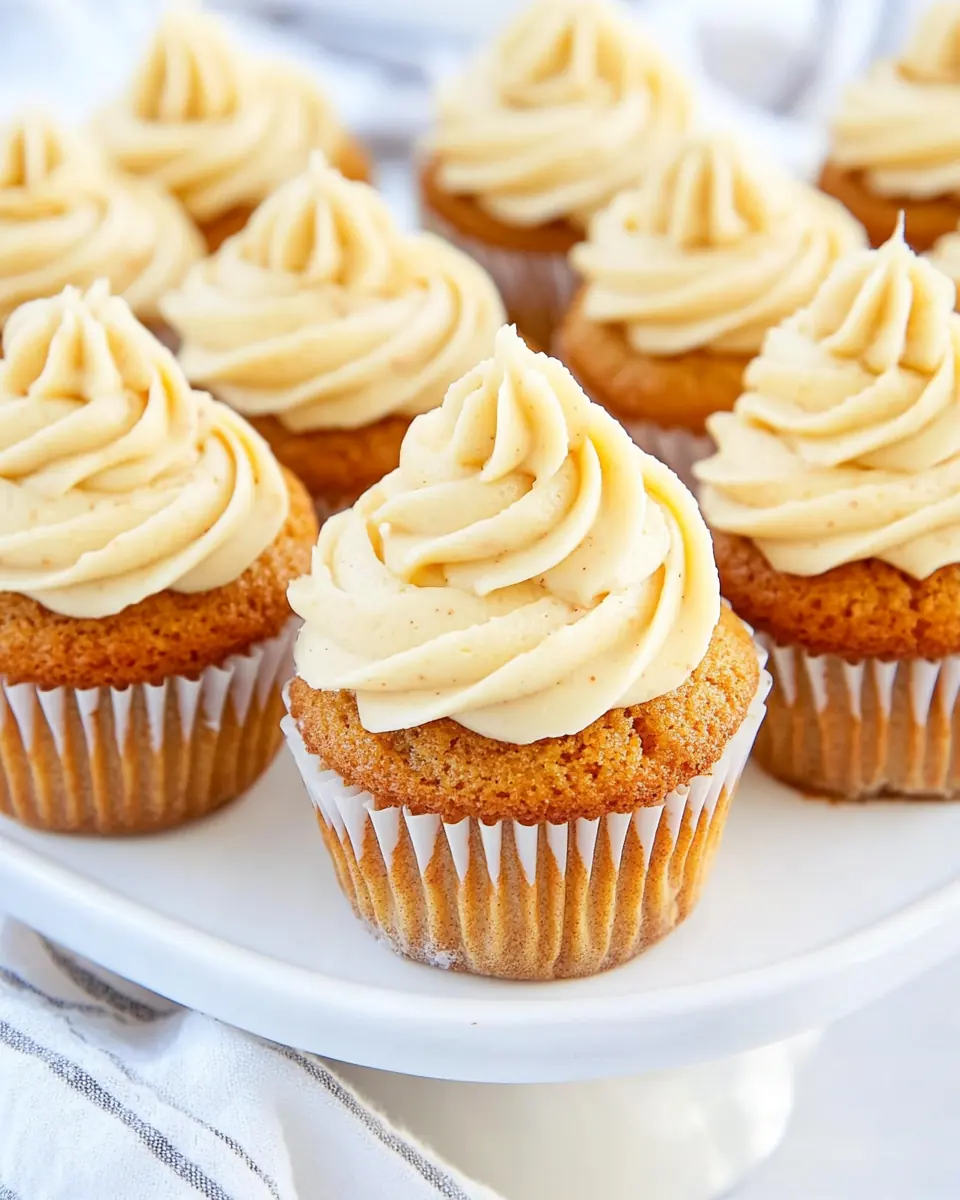
Add vanilla, salt, and enough powdered sugar to make a frosting thick enough to pipe. Use a large star tip to frost cupcakes.: As you portion the batter, watch how it settles and holds shape in each liner, creating uniform domes that will rise modestly in the oven. Filling to two thirds ensures the cupcakes do not overflow yet have enough batter to rise into a pleasing dome, making frosting easier later. Uneven filling causes mismatched bake times and appearance. A typical slip is overfilling, which leads to flat tops that are awkward to frost. I like to use a cookie scoop for consistency.
The cupcakes do not rise too much, and that is just fine.: You may notice they stay lower than cake layers, offering the perfect platform for frosting, and this restrained rise keeps the crumb tight enough to support generous piping. The sound when they near doneness is a faint hush as the interior sets, and the visual cue is a springy top that returns when touched. Accepting this modest rise is important because it yields sturdier cupcakes for decorating. Expecting dramatic domes is a recipe for disappointment. If you get very high domes, your leaveners may be too fresh or overmeasured.
Bake for 18 to 20 minutes.: The oven transforms the batter, releasing a warm aroma of cinnamon and caramelized sugar, and the tops will turn lightly golden. You can tell they are done when a toothpick inserted comes out clean or with a few moist crumbs, and the edges pull slightly from the liner. Proper timing matters because underbaked cupcakes collapse, while overbaking dries them out. One common mistake is relying solely on visual cues in a new oven; an oven thermometer and a toothpick test are more reliable than looks alone.
Cool completely.: As they cool, the crumb firms and the residual heat finishes the internal set, so rushing to frost warm cupcakes will melt the frosting and ruin the texture. The room will smell sweet, and the liners will release more cleanly when cooled. Patience here yields neater decoration and better mouthfeel. Frosting warm cupcakes is a frequent error, leading to sliding frosting and soggy tops. Allow at least 30 minutes, or longer if your kitchen is warm.
Beat cream cheese, butter, and brown sugar until smooth.: The frosting becomes silky and unified as the cream cheese and butter emulsify with the brown sugar , releasing a rich, slightly molasses scent. The texture should be glossy and lump free, which is crucial for piping. This step matters for a stable frosting that holds shape on the cupcake. If the ingredients are too cold, they will not combine smoothly, so bring them to room temperature. Overbeating can incorporate too much air, making the frosting unstable.
Let it sit for 5 to 10 minutes until the brown sugar dissolves completely.: A short rest smooths the grainy sugar and deepens the flavor, during which the frosting quiets and integrates; you may notice the texture subtly refine. This waiting period improves mouthfeel and prevents grainy frosting on the cupcakes. Skipping this pause often leaves faint sugar grit in the finished frosting. If it still feels grainy after the rest, beat briefly and taste to check.
Add vanilla, salt, and enough powdered sugar to make a frosting thick enough to pipe.: Gradually adding powdered sugar lets you control consistency, moving from spreadable to pipeable while the vanilla and dash salt balance sweetness. The frosting should be smooth and hold a peak when lifted with a spatula. This control matters because frosting that is too soft will slide off, and too stiff will be hard to pipe. A common mistake is dumping all the sugar at once, which makes the frosting dry. Add in small increments until you reach the right firmness.
Use a large star tip to frost cupcakes.: Piping with a large star tip creates classic swirls with crisp ridges that catch the eye, and the frosting should hold those ridges without sagging. The tactile pleasure of piping and the visual reward of neat rosettes make finishing the cupcakes satisfying, and you will see the frosting shine slightly as you work. The technique matters because it elevates presentation and portion control. Spreading instead of piping is fine, but for gifts or guests piping gives a more professional look. If the frosting seems too soft to hold shape, chill briefly and try again.