In a dry pan over low-medium heat (no oil), lightly toast the pine nuts or any other nuts you’re using. Remove from heat, allow to cool.: The sound is a soft popping as the nuts warm and the aroma becomes toasty and slightly sweet, which signals they are done; the visual cue is a light golden change on the surface. Toasting concentrates flavors and removes raw bitterness, making the final pesto richer. A common mistake is overheating the nuts, which causes them to burn quickly; keep the heat low to medium and stir often. Remove immediately once fragrant and let them cool on a plate so residual heat does not release oil and make the pesto greasy.
Cut off the carrot tops and wash the leaves. Pat dry using a kitchen towel, and place in a food processor.: The leaves should feel cool and slightly crisp when rinsed, and washing removes grit that hides in the stems; pat them dry with a kitchen towel until they are just damp or completely dry. Clean greens ensure a smooth sauce and prevent dilution. One frequent oversight is leaving the greens wet, which can water down the pesto; blot carefully and work in batches if the leaves are very wet to avoid excess moisture in the processor.
Place all of the ingredients except for the olive oil in the bowl of a food processor. Blend until completely broken down, scrape off the sides of the bowl as needed.: When you drop the cleaned leaves into the food processor , they should look bright and vibrant; this step organizes the herbs for even chopping. Process in short pulses to break down the cell walls and release the fresh, grassy scent. Overprocessing from a cold start can bruise the leaves into an overly mushy texture, so pulse and check the consistency. Scrape down the sides as needed to ensure even work and to incorporate any leaves that cling to the bowl.
Add the olive oil gradually with the food processor running until you get a slightly emulsified sauce. Thin out with extra oil or water if needed.: Combining the toasted nuts, grated parmesan cheese , and the garlic with the greens concentrates the savory backbone of the pesto; you will notice a richer, nutty aroma as the solids begin to break down. Processing these elements together lets the flavors marry before the oil is added, which results in a more cohesive sauce. Avoid adding the oil too early, which can prevent proper breakdown of solids; instead, combine dry and fresh ingredients first for an even texture.
Blend until completely broken down, scrape off the sides of the bowl as needed: As the mixture becomes more uniform, you will see it turn from leafy to coarse paste, with a thick, grainy texture that smells intensely herbaceous. Regularly scraping the bowl ensures everything is evenly incorporated and prevents larger pieces from hiding near the rim. A common problem is leaving larger chunks unprocessed; take the time to scrape and pulse again to reach a cohesive paste, which forms the base of a smooth pesto.
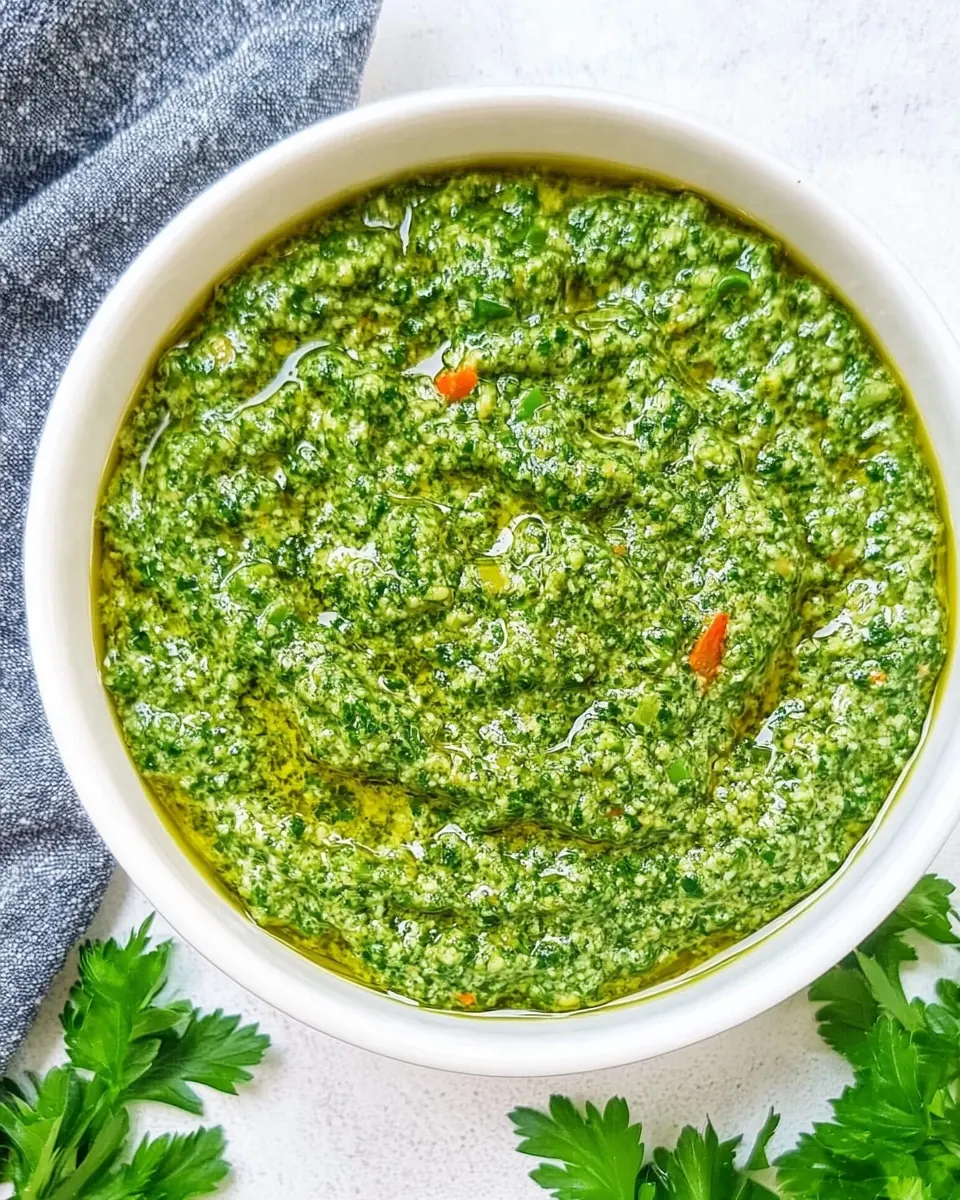
Add the olive oil gradually with the food processor running until you get a slightly emulsified sauce: With the food processor running, drizzle in the extra virgin olive oil slowly; you will hear the rhythm change as the mixture loosens and the aroma becomes rounder and richer. The sauce should become glossy and slightly thick, clinging to a spoon rather than pouring like a dressing. The slow addition encourages emulsification so the fat suspends fine solids, creating a silky mouthfeel. If it looks too thick, thin with a splash more oil or a bit of water, but avoid over thinning to maintain body. A pitfall is pouring the oil too fast, which prevents emulsification and leaves the oil separated on top rather than integrated with the paste.