Butter a 1 1/2-2-quart (2 l) baking dish generously. Dust the bottom and sides with Parmesan cheese.: The aroma of softened butter spreading over the dish is comforting and signals the first act of protection for your soufflé. As you coat the interior, press the butter into every nook so the batter can cling and climb, which helps the rise adhere to the sides. After greasing, dusting the dish with Parmesan adds a savory texture and a slight barrier that encourages even browning. A common mistake is skimping on the butter , which can cause the soufflé to stick and deflate when unmolding; be generous and thorough.
To make the soufflé base, melt the butter in a medium saucepan. Stir in the flour and bring to a low boil. Cook until the mixture has thickened a bit, 1 to 2 minutes. Turn off the heat, whisk in the warm milk and turn the heat to medium-high and bring to a boil, whisking frequently. Once the mixture comes to a boil, cook for 1 minute, whisking constantly.: When the butter melts it should sizzle softly but not brown, emitting a gentle nutty scent that tells you the pan is ready. Stir in the flour to form a smooth roux, cooking briefly until the raw flour smell fades and a faint toasty aroma develops, about one to two minutes. Adding the warm milk in a steady stream and whisking constantly prevents lumps and creates a glossy, velvety sauce. If you rush with cold milk you may get lumps, so pour gradually and whisk energetically to maintain a smooth texture; a lumpy base will affect the final mouthfeel.
Remove from heat and whisk in the salt, a generous amount of freshly ground pepper, nutmeg, and cayenne. Whisk in the egg yolks vigorously, one at a time. Scrape the mixture into a medium to large bowl and let cool a bit until only slightly warm.: At this stage the kitchen fills with the warm fragrance of spices; the nutmeg gives a cozy undertone while the cayenne adds a barely-there warmth. Whisking in the egg yolks one at a time creates a silky emulsion, and you will notice the mixture thicken and become silkier by sight and touch. Let the base cool until it is only slightly warm before proceeding, because adding egg yolks to a too-hot base can cause curdling. If you inadvertently add yolks to a very hot mix, quickly temper them first by whisking in a small spoonful of the base to the yolk, then returning to the pot.
To make the soufflé, preheat the oven to 400ºF (200ºC). Reserve a handful of the cheese, and stir the rest of the cheese and chives into the soufflé base. In a large, clean bowl, or in the stand mixer with the whip attachment, whisk the egg whites with a pinch of salt until they hold their shape but are still moist and creamy. Don't overbeat them.: As the oven warms, you may smell a clean, dry heat that reassures you the environment is right for lift. Reserve a handful of the shredded cheese for the top, then stir the remaining cheese and minced chives into the slightly cooled base so the heat does not melt the eggs . In a separate, impeccably clean bowl, whip the room temperature egg whites with a pinch of salt until they hold soft peaks and remain glossy. Overbeating will make the whites dry and granular; watch for a satin sheen and moist texture to know they are ready.
Fold one-quarter of the beaten egg whites into the soufflé base thoroughly, then fold the remaining egg whites in just until there are no (or few) visible streaks of egg whites. Scrape the mixture into the prepared baking dish, gently smooth the top, and strew the reserved handful of cheese over the top.: The first addition loosens the base, and you will feel the texture lighten as air incorporates. Folding requires a patient, enveloping motion using a wide spatula, scraping from bottom to top and turning the bowl, so you preserve as much air as possible. The batter should look airy and homogenous with faint ribbons, and you will notice a gentle sheen from the cheese . Avoid aggressive stirring which deflates the foam; if the mixture looks flat, pause and fold more gently to rescue some air.
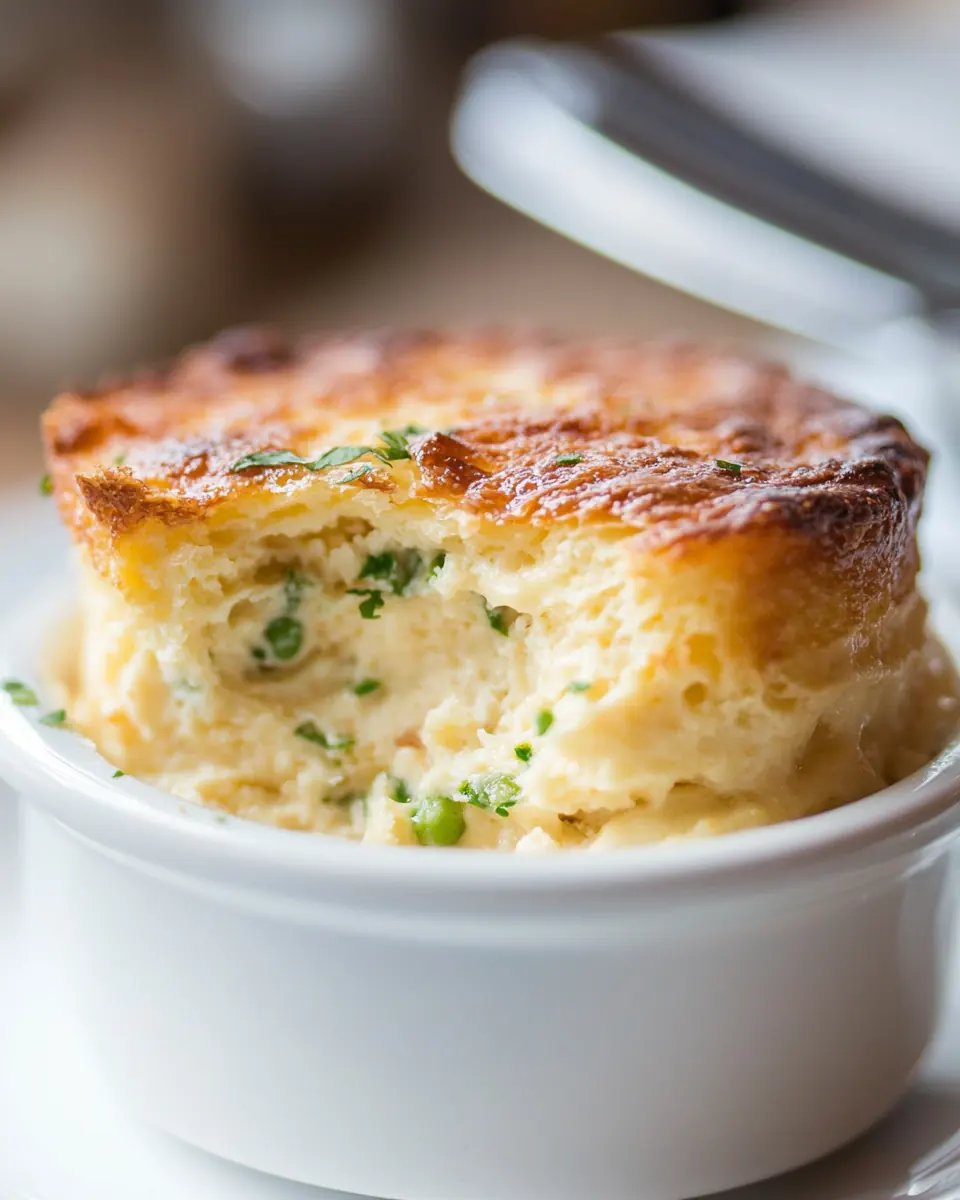
Bake the soufflé on the middle rack of the oven for 20 minutes, without opening the oven door. Depending on how you like your soufflés, if you like them on the soft, somewhat runny side, it's probably done. If you like them firmer, usually 25 minutes (total) is the right baking time. The best way to check it to touch the center at the 20 minute mark. If the soufflé still jiggles and moves freely in the center when you touch it, it's done, if you like softly-cooked soufflés. If not, put it back in the oven for another 5 minutes.: As you transfer the batter, it should glide and hold peaks, a tactile sign that the whites retained structure. Smooth the surface with a gentle upward sweep so you don't compress the air pockets. Sprinkle the reserved cheese evenly for a gratin like finish that will melt and brown, releasing a toasted, nutty aroma in the oven . If you press too hard while smoothing, the soufflé may lose height, so move with soft, confident strokes.
Bake the soufflé on the middle rack of the oven for 20 minutes without opening the oven door: The oven will sing with a warm, dry heat as the soufflé ascends, and you will notice a golden top developing and a faintly cheesy scent filling the kitchen. Avoid opening the oven door during the initial phase to prevent sudden temperature drops which can cause sinking. At around the 20 minute mark gently touch the center, and if it still jiggles freely you may prefer that softer set; for a firmer center, return to the oven for about five more minutes. A common issue is checking too early and letting the heat escape, so set a timer and trust the sensory cues instead of peeking frequently.