Add the cheese, flour and butter to a food processor and combine (dough may be a bit crumbly, but it will stick together).: The first thing you will notice is the sound of blades working through the cold butter , a faint whir that soon yields a sandy, mealy mix studded with flecks of cheddar cheese . The aroma will be lightly tangy and buttery, and as the mixture comes together it should look like coarse crumbs that will come together when pressed. This texture matters because it prevents the dough from becoming dense, the tiny bits of butter melt in the oven producing flakiness. A common mistake here is overheating the butter , so pulse in short bursts and chill any bowl that feels warm. If your processor seems stuck, scrape the sides with a spatula and pulse again to ensure even mixing.
Remove all the dough to a piece of parchment or waxed paper and shape into a thick flat circle. Cover with waxed paper and refrigerate for one hour or overnight.: When you press the mixture together by hand, you will feel it coalesce into a firm, cool disk. The surface will be slightly tacky, but should not be sticky. Refrigeration firms the fats, making the dough easier to roll and ensuring the crackers stay crisp rather than spreading during baking. You will notice the dough becomes denser and less fragile after chilling, which is the cue to move forward. A typical error is skipping the chill, and that leads to misshapen, greasy wafers, so resist the urge to bake immediately.
Preheat oven to 400°F.: As the oven warms, you will catch a faint heat that prepares the space for immediate transformation, and this high temperature is key to quick setting and golden edges. Preheating ensures that the crackers begin to crisp right away, which locks in structure so they do not become flat. Listen for the oven to cycle down after reaching temperature, and place the racks in the middle for even browning. A pitfall is inserting crackers into an oven that has not fully heated, which causes uneven bake times and pale, limp centers, so use an oven thermometer if you doubt your oven accuracy.
Open waxed paper and roll out dough on it into a 1/4 inch-thick piece.: Rolling the dough between sheets keeps hands clean and prevents sticking, and you will feel the dough give under the rolling pin into a smooth, even sheet. A consistent thickness ensures each wafer bakes uniformly; visually you should be able to see a continuous surface without cracks. If the dough resists rolling, let it rest a few minutes in the fridge to regain firmness. Beware of over flouring, which dries the dough and ruins the tender texture, so use a light dusting only when necessary.
Take small cookie cutters and cut out into shapes (you could also take an empty plastic medicine bottle to make circle shaped crackers. Just make sure you clean out the bottle thoroughly first.).: Cutting shapes is tactile and satisfying, and you will hear the slight click as the cutter separates the dough. Arrange the shapes closely but not touching on your parchment lined sheet, and keep the scraps together for a second roll out to avoid waste. The visual cue is sharp, clean edges on the shapes; if edges look ragged, the dough may be too cold or too dry, so let scraps rest briefly before re rolling. A mistake is overworking the dough during repeated roll outs, which can toughen the crackers, so try to limit the number of re rolls.
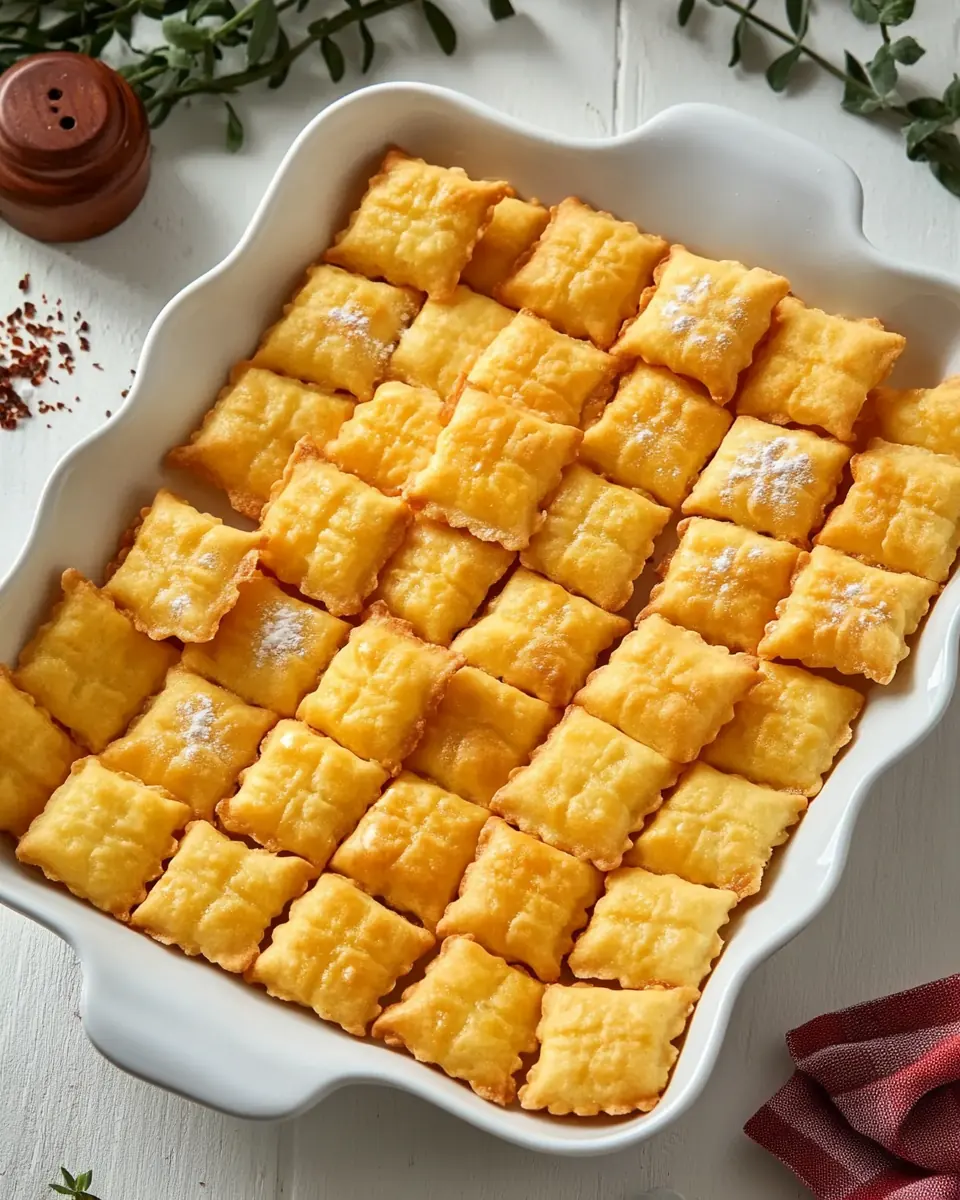
Place on a cookie sheet (preferably lined with a silpat or parchment paper). Add pecans or other nut on top (if preferred) and bake for 12-15 minutes. Let cool on sheet for 2 minutes before removing.: As the sheet goes into the oven you will soon smell a concentrated cheesy aroma that turns warm and toasty as proteins brown. Watch for edges to become a light golden color and the centers to stiffen, that is the sign they are ready. After removing them, the crackers will be soft but will crisp as they cool on the hot sheet, so leave them undisturbed for two minutes before transferring to a rack. The most common error is leaving them too long on the sheet where residual heat can darken the undersides, so timing is important. If using raw pecan halves , press them gently before baking so they stay attached.
Serve.: Presenting these crackers warm accentuates the aroma, and you will notice the immediate contrast between the crackling bite and the rich, savory aftertaste of cheddar cheese . They are fragile when fresh, so handle them with care when plating. If you plan to make ahead, allow them to cool completely before storing in an airtight container to preserve crispness. One mistake is storing them while still warm, which traps steam and softens the wafers, so be patient and let them cool fully.