Cook the noodles according to package instructions in salted water until al dente. Drain and transfer to a pot of room temperature water to prevent sticking.: You will notice the pot filling with steamy, starchy clouds and a faint wheaty aroma as the pasta cooks, and the right al dente texture should be tender with a firm core to prevent mushiness during rolling. Use tongs to lift a noodle and taste it; it should bend without falling apart, and the edges should not be mushy. Overcooking is the most common mistake here, which will cause tearing while you spread the filling, so set a timer for slightly less than the package time if you plan to finish them in hot water. After draining, transfer the noodles to a pot of room temperature water to prevent sticking, because the cool water stops the cooking and keeps them flexible without becoming gluey.
Preheat the oven to 375°F (190°C).: When you move the noodles into the room temperature water, you will notice the surface stop releasing starch into the pot, and they will separate more easily on the baking sheet later. This step preserves pliability and lowers the risk of them bonding together. A common misstep is skipping this cooling bath, which can leave noodles clumpy and difficult to spread. If you find any noodles beginning to stick, gently swirl them in the water to separate them, and lay them flat shortly after to avoid tearing.
In a Dutch oven, heat the olive oil over medium heat. Add the ground beef and cook, breaking it apart with a wooden spoon, until no longer pink. Drain excess fat if necessary. Season with salt and ground black pepper.: Preheating sets the stage for even baking, and the oven warming will give you a predictable time for the cheese to melt and the sauce to bubble. You might notice an anticipatory warmth when you open the oven later, and that heat helps finish the rolls uniformly. Forgetting to preheat is a frequent oversight, which can lengthen bake time and alter texture, so I always set the oven early so it reaches temperature while I assemble.
Add the onion and cook for 2 to 3 minutes until translucent. Add the garlic and cook for 30 seconds.: As the oil warms, you should see a slight shimmer and smell a gentle fruitiness from the olive oil . This medium heat creates an ideal surface for browning the ground beef without scorching the pan. Using too high heat can char the meat exterior before the inside is cooked through, so aim for an even sizzle and a steady, audible soft crackle as you add the meat.
Stir in the marinara sauce, bring to a simmer, and cook for 5 minutes. Remove from heat.: During browning, the meat will release savory aromas and begin to brown in spots, creating Maillard notes that deepen the sauce flavor. Break the meat into small, even pieces so each bite cooks uniformly, and use a wooden spoon to gently separate and scrape the bottom for any fond, because those browned bits are full of flavor. A common mistake is overcrowding the pot, which steams rather than browns the meat; if the pan becomes crowded, brown in batches for better caramelization.
In a medium bowl, combine the ricotta, egg, parmesan cheese, 1 1/2 cups of mozzarella, and Italian seasoning. Stir until smooth and well combined.: After the meat browns and you see pools of fat, draining prevents the final sauce from feeling greasy and allows the tomato flavor to shine. I usually tilt the pot and use a spoon or carefully pour off the fat into a heatproof container. Leaving too much fat can make the sauce slip across the tongue, masking the seasoning, so remove just enough to keep the texture balanced.
Spread 1/2 cup of the meat sauce on the bottom of a 9×13 inch casserole dish.: As the meat rests in the pan, seasoning brings forward savory and peppery notes, and the aroma of cracked pepper will become more pronounced. Taste a small piece to judge, since the marinara sauce and cheeses will already contribute salt, and you want the final balance to be harmonious. The mistake to avoid is heavy handed salting early, which can lead to an overly salty final dish once the sauce and cheese join in.
Lay the noodles flat on a baking sheet. Spread about 1/4 cup of the ricotta mixture evenly over each noodle. Top with 1 heaping tablespoon of the meat sauce.: You should see the onion go from opaque to glossy and smell a sweet, caramelizing scent as its sugars release. Softening the onion mellows its sharpness and blends into the meat, creating a cohesive base for the sauce. Overcooking until deeply brown can shift the flavor to burnt notes, so aim for translucency and a tender bite to maintain gentle sweetness.
Roll up each noodle and place seam-side down in the casserole dish.: The moment you add the garlic , its aroma will bloom and the pan will smell bright and savory. Cook it briefly so it softens and infuses the mixture, but watch closely; garlic quickly moves from fragrant to bitter if it burns. Stir constantly during this short period to distribute the aroma, and remove from direct heat if you see any browning to prevent an acrid taste.
Cover with the remaining meat sauce and top with the remaining 1 cup of mozzarella cheese.: As the marinara sauce warms, the mixture will loosen and steam, and a gentle simmer concentrates flavors while marrying the meat and aromatics. You will hear gentle bubbling and see the sauce thicken slightly, indicating it has reduced enough to cling to the noodles. A common oversight is a rolling boil, which breaks down texture and can separate the sauce; maintain a gentle simmer and taste to adjust seasoning after cooking.
Loosely tent with foil, ensuring the foil does not touch the cheese, and bake for 30 minutes.: Once the sauce has simmered, removing it from heat preserves its glossy texture and stops further reduction. The smell will be rich and tomato forward, and letting it rest briefly stabilizes the temperature for assembly. Leaving it on heat too long will over reduce the sauce, making it too thick to spread smoothly across and inside the rolls.
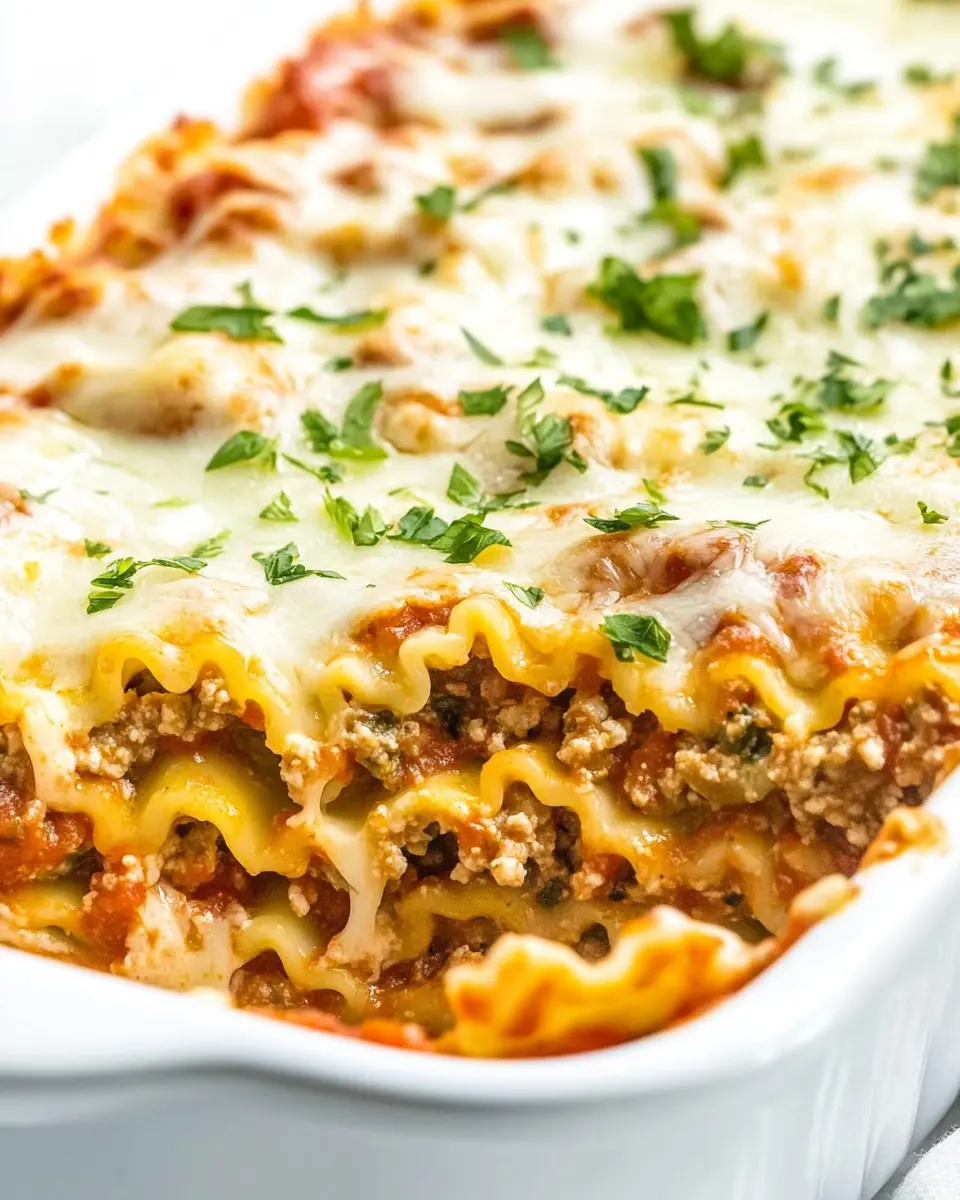
Uncover and broil for 1 to 3 minutes, watching carefully, until the cheese begins to brown. Remove from the oven, sprinkle with parsley, and serve.: The mixture should look creamy and cohesive, with flecks of herb and melting mozzarella threads slightly visible as you stir. The egg binds the filling, and the parmesan cheese gives a salty lift, while the partially melted mozzarella cheese adds stretch. If the mixture seems too wet, consider the moisture level of the ricotta; excessively watery ricotta can make the filling loose, so drain it briefly if needed to maintain a thicker spreadable texture.
Stir until smooth and well combined: As you mix, the filling becomes glossy and cohesive, with a gentle, lightly seasoned aroma. Achieving an even texture is important so each roll gets the same creamy interior. Overworking the filling is not a typical issue here, but be sure everything is evenly distributed so you do not end up with pockets of dry cheese or clumps of seasoning.
Spread 1/2 cup of the meat sauce on the bottom of a 9×13 inch casserole dish: This base layer prevents the rolls from sticking and creates a saucy bed that will bubble and steam during baking. The sauce will sizzle softly as the dish heats and keep the bottom rolls moist. Skipping this layer can lead to stuck bottoms and a dry base, so make sure it is evenly spread.
Lay the noodles flat on a baking sheet: Laying them flat helps you spread the filling easily, and the noodles will glisten slightly from the cooling water they were resting in. Arrange them with a bit of space to avoid reattachment, because overlapping while spreading can tear them. If any noodle seems too stiff, briefly dip it in warm water to regain pliability before filling.
Spread about 1/4 cup of the ricotta mixture evenly over each noodle: The filling should feel cool and creamy under your spoon, and it spreads into a thin, even layer that reaches close to the edges without spilling over. This even distribution ensures each roll is balanced in texture and flavor. A frequent error is overstuffing, which causes the filling to squirt out during rolling and baking; measure portions consistently to keep the rolls tidy.
Top with 1 heaping tablespoon of the meat sauce: The dollop of sauce adds savory pockets and helps the filling marry to the noodle during baking, creating moist pockets of tomato and meat. The visual contrast of red and white also makes the rolls appealing in the dish. Avoid adding too much sauce per noodle, as excess can make the rolls soggy and difficult to handle when placing them seam-side down.
Roll up each noodle and place seam-side down in the casserole dish: Rolling creates a tight cylinder that holds the filling, and placing them seam-side down helps them stay closed during baking. You will hear the quiet friction as the noodle rolls, and you want a snug roll without compressing the filling out. A common mistake is rolling too loosely, which can let the filling spill out and change the bake texture, so tuck the edge and roll with gentle, consistent pressure.
Cover with the remaining meat sauce and top with the remaining 1 cup of mozzarella cheese: The final sauce layer ensures every roll gets moisture and flavor, while the remaining mozzarella cheese creates a gooey, browned topping. As it bakes the cheese will bubble and stretch, and the aroma will turn warmly toasty. Too much cheese can overwhelm the rolls visually and make the top very heavy, so distribute it evenly for a balanced gratin finish.
Loosely tent with foil, ensuring the foil does not touch the cheese, and bake for 30 minutes: Tenting traps steam so the rolls heat through without drying, while keeping the foil off the cheese prevents sticking and preserves the ability to brown later. During this time you should hear a gentle simmer and see steam escape when you lift the foil. Wrapping too tightly can press melted cheese to the foil and ruin the top, so create a loose tent and leave room for air circulation.
Uncover and broil for 1 to 3 minutes, watching carefully, until the cheese begins to brown: Broiling creates a blistered, golden top within moments, and you will see the cheese bubble and turn from pale to golden in quick succession. Stand close and watch the color change every 20 to 30 seconds to prevent burning, because broilers vary widely in intensity. A common pitfall is leaving it unattended, which can ruin the finish in an instant, so keep the oven door slightly ajar and eyes on the dish.
Remove from the oven, sprinkle with parsley, and serve: The final act releases a comforting aroma of melted cheese and herbs, and the bright parsley adds a fresh visual and flavor contrast. Let the dish rest a few minutes so the filling sets and slices hold their shape when plated. Serving immediately is tempting, but cutting too soon can make the filling runny, so allow a brief rest for cleaner portions.