Preheat the oven to 350°F. Line 2 baking sheets with parchment paper. Set them aside.: When the oven warms, you will notice faint heat and a settled, dry air in the kitchen, and having parchment in place prevents sticking and overbrowning. This step ensures even heat around each cookie, which matters for consistent edges. A common mistake is skipping parchment, which can cause cookies to spread and stick to the pan.
In a small mixing bowl, whisk together the flour and baking soda. Set it aside.: The dry mixture should look uniform, with no streaks of soda or clumps of flour, and whisking aerates the flour so each scoop absorbs moisture evenly. This careful blending prevents pockets of unreacted baking soda that could give odd flavors. Avoid overmixing into the wet ingredients later, or the cookies will become tough.
Using a stand mixer or a medium-sized mixing bowl and a handheld mixer on medium-high speed, beat together the softened butter and the powdered sugar for 1 1/2 to 2 minutes, until smooth and fluffy.: As you beat, you will see the color lighten and the texture become cloudlike; the sound changes from heavy thumps to a steady, lighter whirl. This aeration traps tiny air pockets that make the cookie tender. A frequent error is using cold butter which will not cream properly, resulting in dense dough.
Add the cherry juice, cherry extract, and almond extract. Continue beating for another 1 minute until the cherry juice and extracts are well incorporated.: The bowl will release a bright, cherry scented perfume, and the mixture should appear glossy and slightly more fluid. Incorporating these liquids early ensures even flavor distribution. If you add too much liquid at once, the dough can become slack and spread excessively.
Add the red food color gel and continue mixing for another 30 seconds, or until the color is uniform and no streaks appear.: The color will deepen quickly, and the visual cue of a uniform pink signals readiness. Using gel means you get vivid color with fewer drops, and the batter should not look watery. A common slip is adding dye directly to warm mixtures which can intensify color unpredictably.
Lower the mixer speed to medium, add the flour mixture, and continue mixing until the flour is well combined.: The dough will thicken and take on a soft, pliable texture, and you will notice the sound of the mixer change as the motor works against denser dough. Stopping when the flour is just incorporated prevents developing excess gluten. Overmixing here will make the cookies tough rather than tender.
Add the chopped cherries and mix just until the cherries are evenly distributed.: Now you will spot red flecks of fruit through the dough and a faint, sticky sheen where the maraschino syrup clings. Folding them in gently keeps their texture intact and prevents bleeding too much color into the dough. Avoid vigorous mixing which can pulverize the cherries and make the dough soggy.
Add the pink sanding sugar to a small mixing bowl. Set it aside.: The sanding sugar sparkles and creates a tactile contrast to the soft dough, and preparing it in a separate bowl speeds the coating process. Having it ready ensures you can roll immediately, which helps the sugar adhere. A common oversight is not drying the sugar bowl, which can cause clumping.
Using a 1 tablespoon cookie scoop, scoop out the dough. Roll into a ball.: The dough should feel soft and slightly tacky with a smooth surface, and rolling warms it just enough for the sugar to stick. Consistent scoops yield cookies that bake uniformly. If your scoop fills inconsistently, you will end up with uneven bake times across the sheet.
Roll the dough ball in the sanding sugar. Gently shake off the excess sanding sugar. Place the coated cookie dough ball on the prepared baking sheet. Space the cookie dough balls 2 inches apart.: The sanding sugar should cling to create a glittering shell, and spacing allows steam to escape and edges to set without merging. If cookies are too close they will spread into each other, ruining their shape. Be mindful that dough temperature affects spread; if it seems overly soft chill briefly.
Bake for 8 to 10 minutes, paying close attention that the edges do not turn brown. The edges may crack just slightly.: As they bake you will see tiny hairline cracks form and smell a warm, buttery cherry aroma, and the surface should look set but not browned. Pulling them out before browning keeps the interior soft. Leaving them in too long causes dryness and a loss of that tender texture.
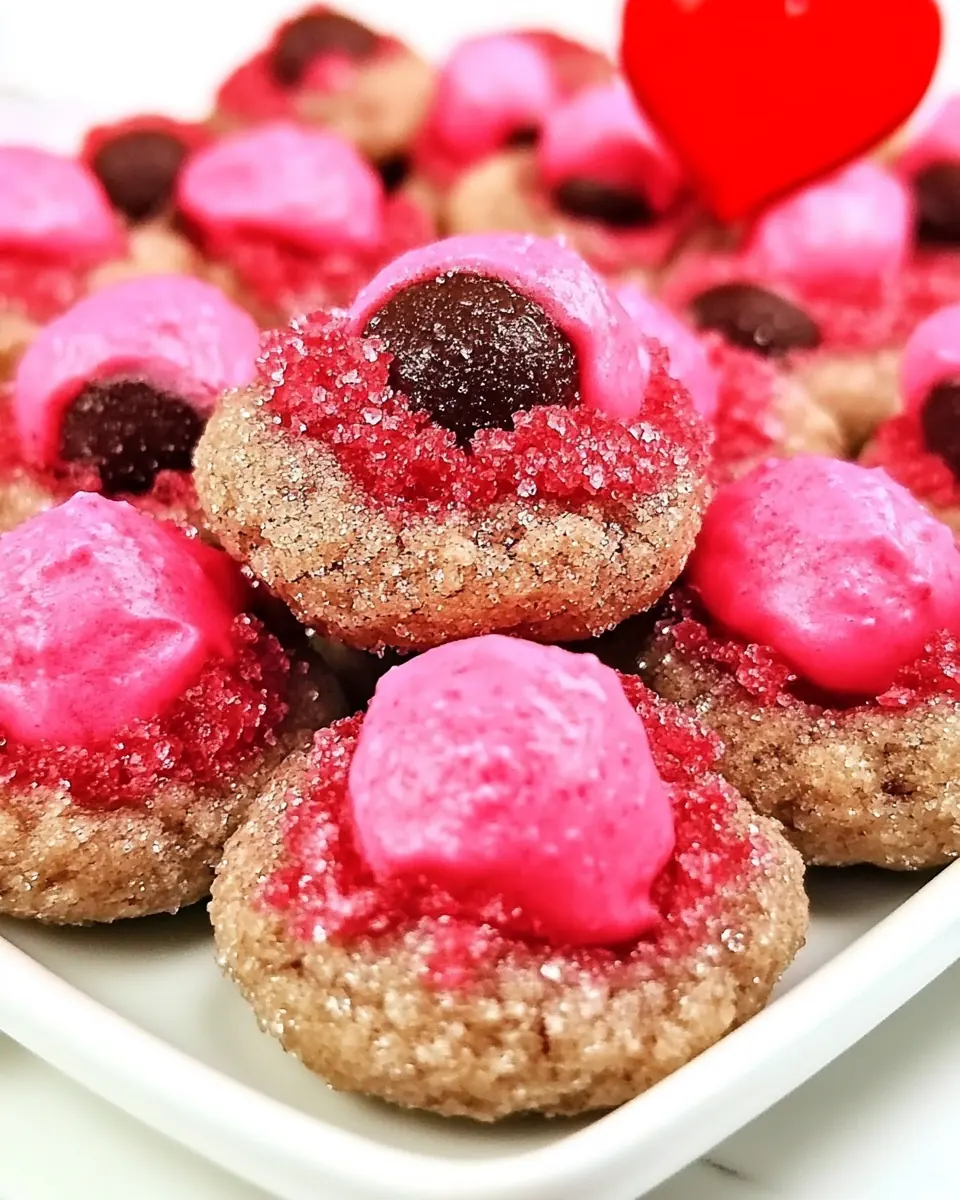
Once you remove the cookies from the oven, immediately gently press an unwrapped chocolate kiss in the center of the cookie. The edges may crack when depressed, but that is normal. Allow the cookies to rest on the cookies for 2 to 3 minutes before transferring them to a cooling rack to finish cooling completely.: The residual heat softens the center enough for the chocolate kiss to adhere and form a glossy dome, and the chocolate will slightly melt against the warm cookie creating a cohesive bite. Press gently to avoid smashing the cookie flat. If you wait until the cookie is cool, the kiss will not stick properly and may fall off during transport.