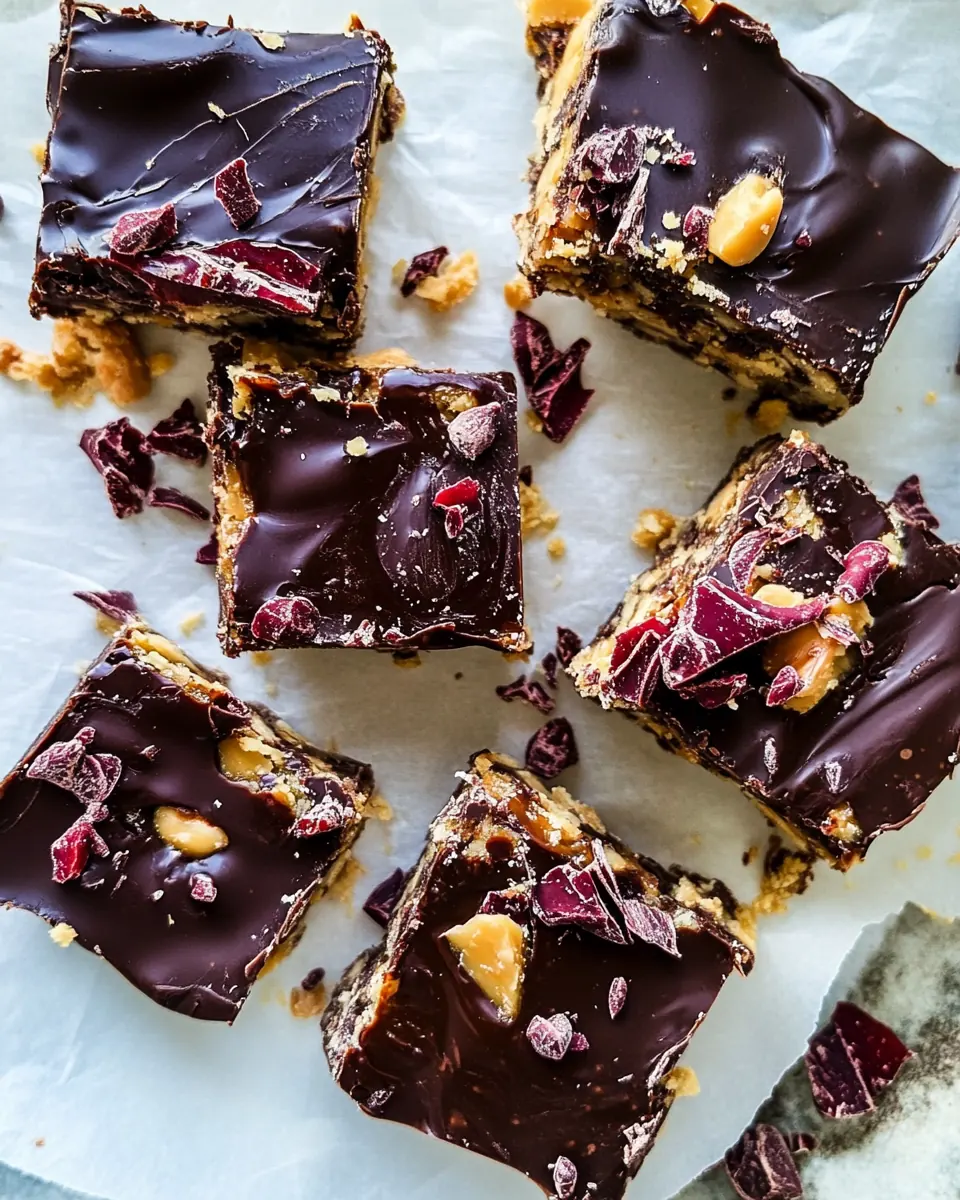
Melt the butter in a large skillet over medium heat until lightly brown. Add the cornflakes and cook until toasted, 5-8 minutes. Remove from the heat. Line a 9×13 inch baking pan with parchment paper. Tear the dates and press into a single layer on the bottom of the pan. For BEST results use fresh very chewy, plump dates. Add the cornflakes and evenly pour over the peanut butter. Alternately, if a studier bar is desired, blend the dates and peanut butter in a food processor, stir in the cereal, then press the mix firmly into the prepared pan. Freeze for 10 minutes. Pour over the chocolate. Sprinkle with sea salt. Chill in until firm, at least 20 minutes. Cut into bars. Keep in the freezer. Please note these bars are messy.: The sound of the butter will change as water evaporates, and you should smell a warm nutty aroma when it just starts to brown. This subtle browning adds depth to the final bars, helping the corn flakes sing with toasted flavor. Keep the heat at medium so the butter does not blacken, and stir constantly to prevent hot spots. A common error is letting the butter smoke, which imparts a bitter taste to the cereal.
Add the cornflakes and cook until toasted, 5-8 minutes: As you stir the corn flakes in the skillet, listen for a faint crisping sound and watch the color deepen by a shade or two. Toasting concentrates their flavor and evicts any residual moisture that could make the bars soggy. Stir frequently to ensure even toasting, and remove from heat as soon as you detect the aroma, since they can go from perfect to burnt very quickly.
Remove from the heat: After you take the skillet off the burner, the residual heat will continue to warm the cereal briefly, so transfer it to a cool bowl if needed. Cooling a bit prevents the peanut butter from thinning too much on contact. If you skip this cooling pause, the cereal can become limp under the warm peanut butter .
Line a 9×13 inch baking pan with parchment paper: Lining the pan makes lifting and cutting the bars simple, and the parchment also protects the delicate base when you press the layers. Smooth the paper so there are no air pockets, because uneven backing leads to irregular bars. Forgetting parchment risks sticking and tearing when you remove the set bars.
Tear the dates and press into a single layer on the bottom of the pan: The tactile act of tearing dates and arranging them helps you judge coverage; they should form an even, cohesive base. Press them firmly so gaps are minimized, since an uneven date layer will create weak spots where other elements can slip. If you press too lightly, the bars may fall apart when cut.
For BEST results use fresh very chewy, plump dates: Fresh, moist dates yield optimal chew and sweetness, and you will notice a glossy look and pliable texture when they are right. If your dates feel dry, briefly soak them in warm water and drain well to restore suppleness. Avoid using dry, leathery dates as they will make the bars tough and crumbly.
Add the cornflakes and evenly pour over the peanut butter: Spread the toasted corn flakes over the pressed dates , then drizzle warmed peanut butter evenly across the top so it binds through the cereal. Use a spatula to fold and press without smashing the cereal into powder. Overmixing can shatter the flakes and create a denser, less crunchy bar.
Alternately, if a studier bar is desired, blend the dates and peanut butter in a food processor: When you pulse the dates and peanut butter , you create a denser, more cohesive matrix that holds together like a nougat. The texture becomes more uniform and the bars slice cleaner, but you lose some visible pieces of dates and the rustic mouthfeel. Watch the processor to avoid turning the mix into a paste that is too dry.
Stir in the cereal, then press the mix firmly into the prepared pan: The pressing stage is where the bar’s structure is born, so apply steady, even pressure to compact air pockets and create good contact between pieces. I press with the back of a spatula wrapped in parchment to avoid sticking. If you do not press firmly enough, the bars will crumble; press too hard and you lose the desired crunch.
Freeze for 10 minutes: A short stint in the freezer firms the mass so the next layer, melted chocolate , will sit on top rather than sink in. You will feel a cool, firm surface when you gently press the parchment after chilling. Skipping the chill risks a marred, absorbed chocolate layer and longer setting time.
Pour over the chocolate: The melted chocolate should be glossy and pourable, cascading into an even top that seals in the texture below. Pour slowly and tilt the pan if needed to achieve full coverage, then smooth gently with a spatula. If the chocolate is too hot, it can melt into the filling and thin the layer, so let it cool slightly before pouring.
Sprinkle with sea salt: A light dusting of flaky sea salt adds an immediate lift and a spark of contrast against the sweet chocolate . The flakes should sit on the surface rather than dissolve, so apply them shortly after pouring. Using too much salt will dominate the flavor, so be restrained.
Chill in until firm, at least 20 minutes: Place the pan in the refrigerator or freezer to set the chocolate and stabilize the bars. You will know they are ready when the top is matte and resists a light press. If you cut them too soon, the layers will smear and the bars will be messy.
Cut into bars: Use a sharp knife warmed under hot water and dried between cuts for clean slices. The contrast between the dark chocolate surface and the chewy interior will be visible and satisfying. A dull knife or cold blade will crush the bars rather than slice cleanly.
Keep in the freezer: Storing the bars frozen preserves the chew and crunch and lets you enjoy them straight from the freezer for a firm, satisfying bite. Thaw briefly at room temperature if you prefer a softer chew. Leaving them too long at room temperature will make the filling sticky and the cereal lose some crispness.
Please note these bars are messy: Expect sticky fingers and rich crumbs, which is part of the charm. Serve on parchment or a tray for easy cleanup, and have napkins ready. Trying to make them pristine defeats some of their rustic appeal and can frustrate guests.