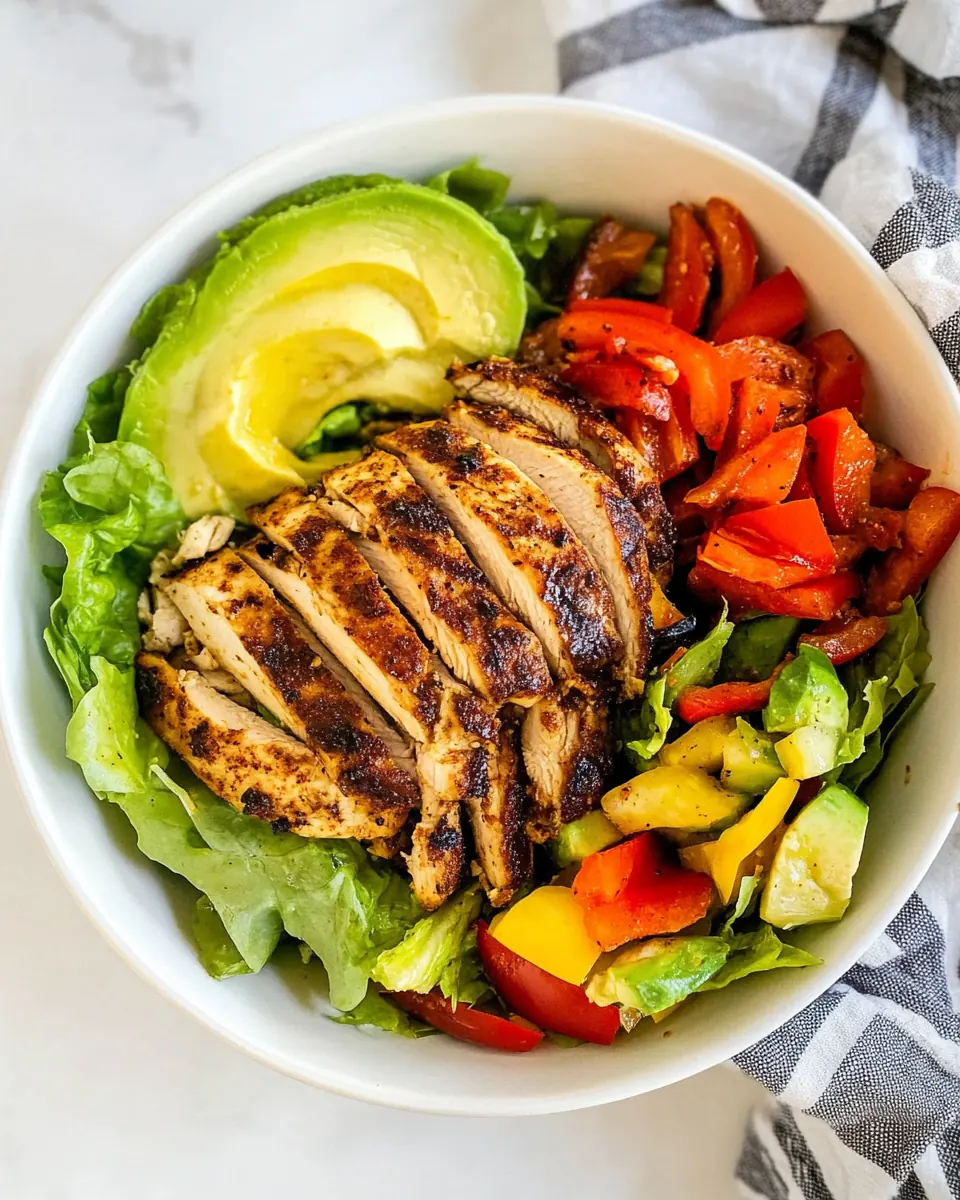
Sprinkle chicken thighs with taco/fajita seasoning until lightly coated on all sides.: The first aroma you notice will be the warm spices releasing as they hit the meat, earthy and inviting. Lightly massaging the seasoning into the chicken helps it adhere and promotes an even crust once it meets hot oil. If you skip this step or underseason, the chicken can taste bland compared with the lively vegetables, so be sure to coat each piece thoroughly.
On the stove, heat 1 tablespoon of oil in a large skillet over medium-high heat. Once hot, add chicken thighs and cook for 3 to 5 minutes per side, until the internal temperature reaches 165°F. If at any time the outside of the chicken begins to cook too quickly and starts to burn, turn the heat down. Once chicken is finished cooking, transfer to a plate and tent with foil to keep warm.: You will hear a steady sizzle as the chicken hits the pan and see the surface turn golden brown, a key sign that flavorful Maillard reactions are occurring. Cooking to 165 F ensures safety while keeping the thighs juicy. Letting the meat rest under foil lets juices redistribute so slices stay moist. A common mistake is flipping too often, which prevents a good crust forming; try to flip only once per side.
While your meat cooks, in a second large skillet, heat remaining 1 tablespoon of oil over medium-high heat. Once oil is hot, add bell pepper and onion slices. Sprinkle 1/2 teaspoon of taco seasoning over the top. Cook, stirring occasionally, for 4 to 8 minutes, until edges are lightly browned and vegetables are tender-crisp. Salt and pepper to taste.: As the peppers and onion sizzle, you ll notice their sugars begin to bloom, giving sweet caramelized notes that contrast the smoky chicken . Stirring occasionally encourages even browning while preserving some bite. If you crowd the pan the vegetables will steam and lose color and flavor; cook in batches if needed.
For softer vegetables, turn heat down to medium once the vegetables begin to brown so they don’t burn, and continue to cook until vegetables reach your desired level of doneness. For very soft vegetables, add 1/4 cup of water to the pan at this point, and cook until veggies are soft and water has evaporated, adding more water as necessary.: The hiss will lessen as the pan cools, and the smell will shift from sharp to sweet as the vegetables soften. Lowering the heat helps avoid bitter burnt edges while allowing the peppers and onion to become tender. Watch closely when adding water, because too much can dilute the seasoning and leave the vegetables soggy.
Slice cooked chicken thighs into strips or cubes.: The moment you cut into the rested chicken you ll see a tender, juicy interior contrasting with the browned exterior, and slicing across the grain gives the most tender bite. Arrange slices so each piece is similar in size for consistent mouthfeel throughout the salad. Cutting too early while the meat is still steaming can let juices run out and dry the pieces.
In a small bowl, whisk together first four dressing ingredients and add salt and pepper to taste. If dressing is too thick, add more milk by the 1/2 teaspoon until it reaches your desired consistency.: When you combine the yogurt , mayonnaise , and milk , the dressing should emulsify into a smooth, slightly tangy sauce that clings to lettuce and toppings. Taste and adjust, because seasoning at this stage makes a big difference in the finished salad. If you over thin the dressing you may lose richness, so add milk gradually.
Divide lettuce between bowls and top with salad toppings. Pour dressing over the top and enjoy!: When assembling, the crispness of the chilled romaine lettuce provides a refreshing base, the warm chicken adds comforting heartiness, and the vegetables give bright contrasts. Drizzle dressing just before serving to keep leaves crisp. If you dress too early the lettuce will wilt and the textures will suffer.