Add the olive oil and onion to a large soup pot over medium-high heat. Sauté for 5 minutes.: As the olive oil warms, you will hear a gentle shimmer and smell the oil relax into the pan. Once you add the finely chopped onion , it will sizzle softly and begin to turn translucent, releasing sweet, savory aromas that signal caramelization. Keep the heat steady so the edges of the onion pick up a touch of color without burning, and stir every minute to promote even browning. The visual cue to stop is when the pieces are glossy and slightly golden, not browned to the point of bitterness. A common mistake is using too high heat, which can scorch the onion and create harsh notes, so adjust to maintain a gentle sizzle.
Meanwhile, chop the mushrooms and carrots.: While the pot is doing its first work, you will prepare the mushrooms and carrots . The mushrooms should be sliced or chopped so they release juices uniformly, and the carrots should be peeled and sliced thin to ensure they soften quickly. As you cut, notice the earthy scent of the mushrooms and the bright, vegetal scent of the carrots . If you rush this step and cut unevenly, some pieces will overcook while others stay firm, so aim for consistent sizes to ensure even cooking and a balanced mouthfeel.
Add the mushrooms and garlic to the pot and sauté for another 5 minutes.: When the mushrooms hit the warm oil and softened onion , they will sizzle and begin releasing a rich, savory perfume as their moisture evaporates. The minced garlic will quickly become fragrant, sharpening the aroma and adding warmth. Keep stirring so the mushrooms brown slightly and their edges caramelize, which deepens the umami. Watch the garlic closely because it can go from toasty to bitter in seconds; remove from direct high heat briefly if it threatens to darken too fast. Overcrowding the pan is a common error, as it causes steaming rather than browning, so give the mushrooms room or work in batches if needed.
Add the carrots, Italian seasoning, chicken broth, and water to the pot. Increase the heat to high and bring to a gentle boil.: As you stir in the carrots , you will see the pot gain volume and color, while the dried Italian seasoning releases herb oils into the liquid. Pouring the canned chicken broth and water will deglaze the pan, lifting the browned bits from the bottom, which enhances depth. Bring it up to a gentle boil so the flavors meld quickly; you should see steady, small bubbles rather than a violent, rolling boil. A vigorous boil can agitate the pasta later and cloud the broth, so aim for steady motion. A frequent misstep is not scraping the bottom, which wastes developed flavor, so use a wooden spoon to incorporate those browned bits.
Add the pasta and chicken to the pot. Reduce the heat to medium and simmer for 10 minutes, stirring occasionally so the pasta doesn't stick to the bottom of the pot.: When the pasta goes in, the pot will sound fuller and the broth will thicken slightly as starch releases. Adding the shredded chicken at this point warms it through without overcooking; you want tender pieces that meld into the broth. Stir occasionally to prevent the pasta from clumping together or landing on the pot bottom where it can scorch. Check the pasta for doneness toward the end of the simmer, aiming for al dente texture so it retains bite without being chalky. A common oversight is overcooking the pasta, which turns it mushy and soaks up too much broth, so taste early and adjust timing based on your chosen shape.
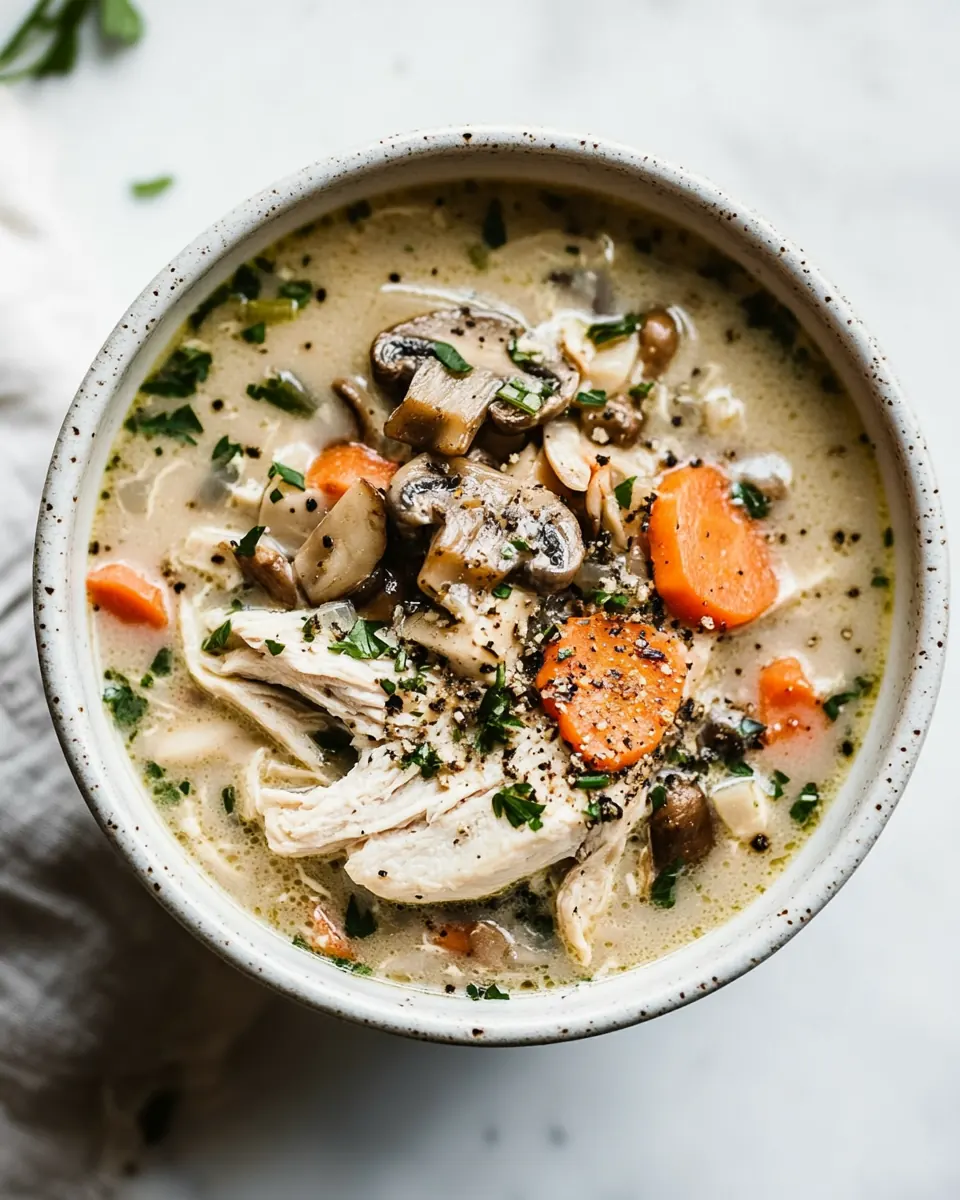
Add the half-and-half and salt & pepper. Cook for another 5 minutes. The carrots should be cooked by now, but if they're not, give it another few minutes.: Finishing with half-and-half softens the mouthfeel, creating a silky, slightly creamy broth. As it joins the pot, you will see the liquid take on a paler, creamier hue and a richer texture. Season with salt and freshly ground pepper , then simmer gently so the dairy warms through without curdling. Keep the heat moderate, and stir to distribute the creaminess evenly. If the carrots need more time, allow an extra few minutes; their tenderness is a final check for readiness. Avoid boiling vigorously after adding the dairy, which can break the emulsion and create a grainy texture.