Preheat oven to 350 ℉. Spray a 9×13 casserole dish with cooking spray and set aside.: As the oven warms to 350 ℉ , you will notice a gentle wave of heat and a slight hum from the elements; this steady temperature is crucial because it allows the casserole to heat evenly so the center warms without burning the topping. I always let the oven fully reach temperature before putting the dish in, since a cooler oven can lead to the filling taking longer to bubble, which affects texture. A common error is setting the dish in too early, which can produce a soggy topping instead of a crisp one. Make sure the racks are positioned so the casserole sits in the middle for uniform browning.
In a bowl whisk the cream of chicken soup and sour cream together.: Coating the pan helps the casserole release cleanly and prevents sticking, and when you tap the pan lightly it should have an even sheen. Choosing the right pan size matters because too small a dish yields an overly deep casserole that can take much longer to heat through, while too large a pan thins the filling and may dry it out. Don't rush this step, an uneven coat can lead to tearing when you serve.
Add the chicken, broccoli florets and toss it together with the cream of chicken/sour cream mixture, making sure each pieces is coated fully.: When you whisk the cream of chicken and sour cream , you should see a glossy, uniform sauce with no streaks; it will smell slightly savory and dairy rich. This emulsification creates a stable binder so the filling remains creamy after baking. Over-whisking won't hurt, but under-mixing leaves pockets of tangy sour cream, creating inconsistent flavor. Scrape the bowl to ensure all creamy bits are incorporated.
Add the chicken and broccoli to the casserole dish.: As you fold in the chicken and broccoli , aim for every piece to be lightly glossy from the sauce; the sound will be gentle as the florets move in the bowl. Thorough coating ensures even seasoning and prevents dry pockets. A frequent mistake is adding cold chicken straight from the fridge which cools the mixture; bring the chicken closer to room temperature for best melding, or briefly warm it.
Add the crackers to a food processor and pulse a few times until the crackers resemble breadcrumbs.: Spoon the mixture into the prepared 9x13 dish and spread it into an even layer, which helps the casserole bake uniformly. The filling should sit level, slightly mounded, and you may see pockets of the creamy sauce peeking through. Pressing too hard can compact the casserole and alter the final texture, so smooth gently with a spatula for consistent results.
Sprinkle the crumbled crackers over the casserole the chicken and broccoli and then drizzle with the melted butter.: When you pulse the Ritz crackers , you should hear quick, light bursts as they reduce to fine crumbs; visually they should be coarse sand to small pebble size depending on your preference. This breadcrumb texture is what allows them to crisp up and brown evenly under the butter. Over-processing into dust can yield a paste when mixed with butter, while under-processing results in large chunks that may not toast through.
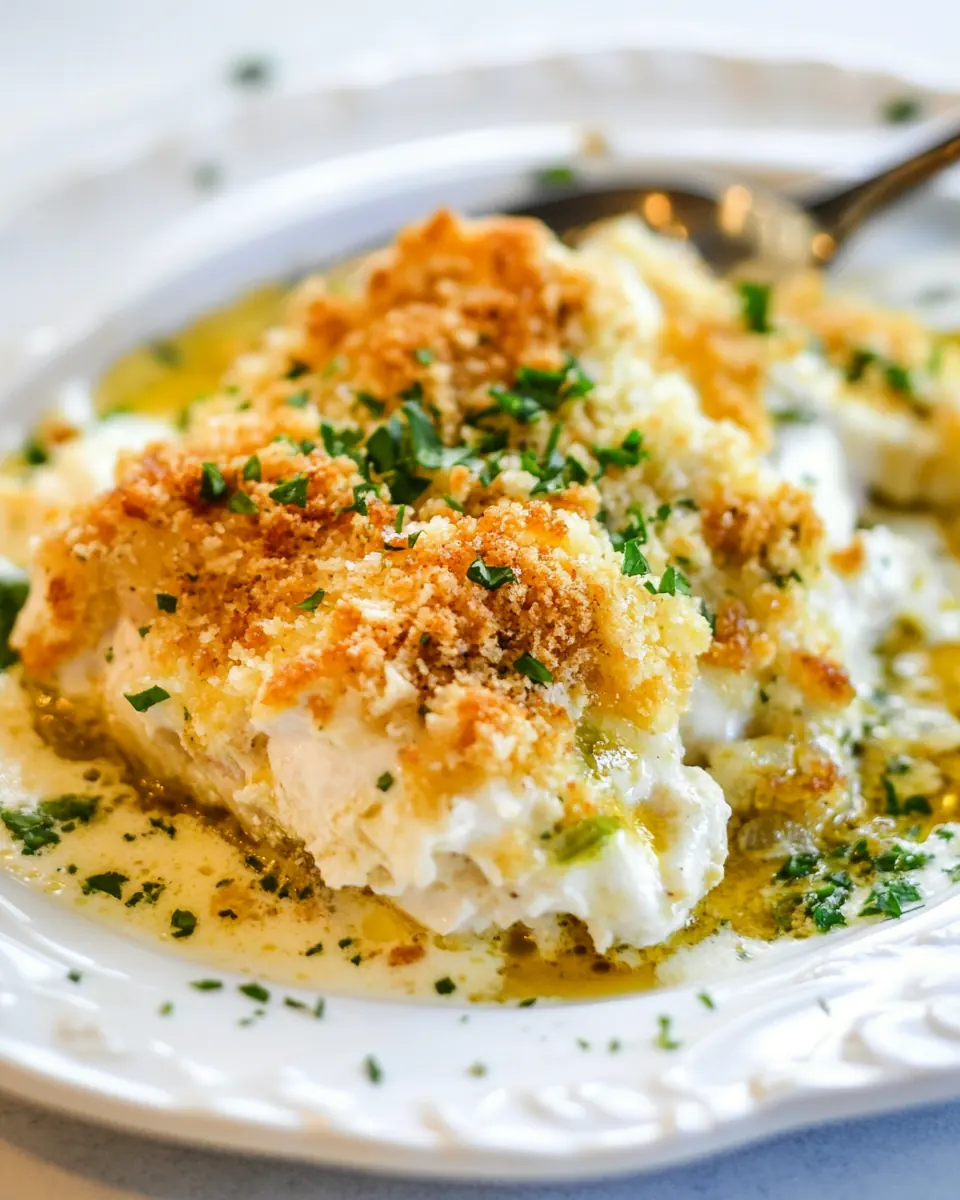
Bake for 40 minutes until the casserole starts to bubble and the crackers start to turn golden brown.: As you scatter the crumbs, aim for a uniform blanket so no bare spots are left, then drizzle the melted butter slowly for even coverage; the butter will glisten and help each crumb brown. The aroma of warm butter hitting the crumbs is immediate and inviting. A common slip is pouring all the butter in one place, which creates greasy patches; drizzle in a grid pattern for best results.
Bake for 40 minutes until the casserole starts to bubble and the crackers start to turn golden brown: During baking you will hear faint bubbling at the edges and see steam rising as the sauce thickens, while the cracker topping will slowly shift to a light amber color and release a nutty, toasty scent. That visual and olfactory cue tells you the casserole is done. Avoid opening the oven frequently, as that drops temperature and can extend baking time; instead check near the end of the window. If the topping browns too quickly, tent loosely with foil to prevent burning while the center finishes heating.