In a large pot with a lid, heat the olive oil over medium heat and saute the onion, carrots, and celery until softened, about 8 minutes. Add in the garlic and thyme, and stir for one more minute.: The kitchen will fill with a sweet, savory scent as the onion , carrot , and celery slowly soften, and you should hear a gentle, steady sizzle rather than a loud pop. This mellow cooking releases sugars that form the flavor foundation, which is why we start here rather than adding everything at once. A common mistake is to rush with too high heat, which can scorch the vegetables and create bitter notes; keep the temperature steady and stir occasionally so they brown just lightly and become tender.
Add in the water, green beans, chicken, 2 teaspoons of salt, and pepper. Bring the liquid to a boil and then cover the pot and lower the heat so the soup can gently simmer for 15 minutes. (If you want to add potatoes or chickpeas, now is the time to do that, too.): As you fold in the minced garlic and dried thyme , you'll notice an immediate uptick in aroma, a warm, herbaceous pop that wakes the base. The garlic should sizzle briefly and release its fragrance without browning; that single minute is enough to bloom its flavor into the oil. If garlic browns, it can become sharp and acrid, so watch closely and reduce heat if it starts to darken too quickly. This short stovetop mingle helps the seasoning distribute evenly into the coming broth.
Check on the chicken by lifting it out of the pot and testing it with a meat thermometer. When the temperature reaches 160ºF, you can use the tongs to remove the chicken and let it rest for 5 to 10 minutes, so it can finish cooking and reach a safe internal temperature of 165ºF.: When the water hits the pot, aromas will lift and a faint steam will rise, signaling the transition to simmering. Add the green beans and the whole boneless chicken breasts so they can poach gently, which keeps the meat supremely tender. The initial 2 teaspoons of salt and the black pepper start the seasoning process, but we will adjust later for balance. A common misstep is using water that is too cool, which delays a proper simmer; use warm tap water or room temperature if possible to bring the pot up to heat more evenly.
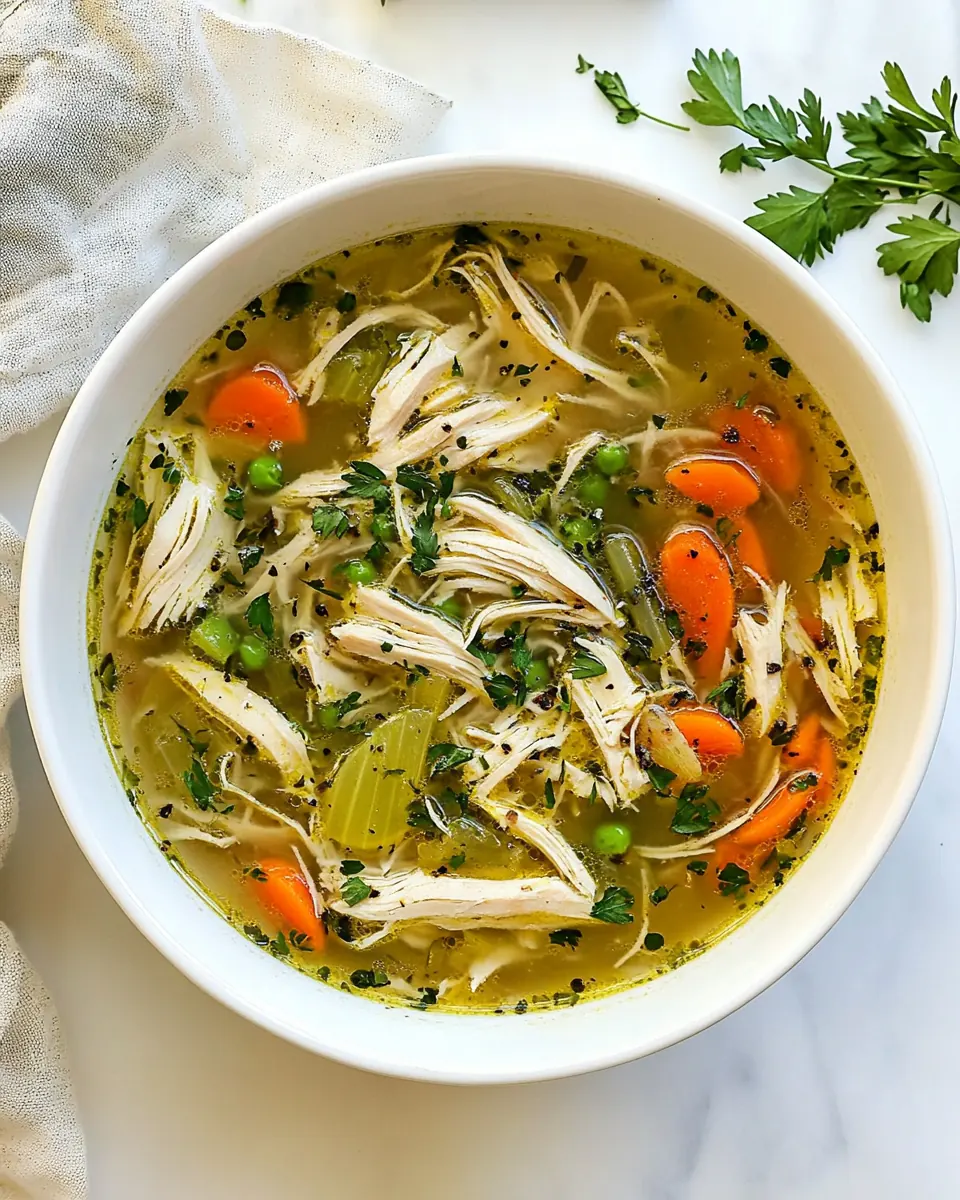
Use two forks to shred the chicken, or cut it into small, bite-sized pieces. Return the chicken to the soup pot, and adjust any seasoning to taste. (I usually add more salt, a half teaspoon at a time). You can add one more cup of water for extra broth, or add a squeeze of lemon juice to help brighten the flavor. Ladle the soup into bowls and garnish with freshly chopped parsley.: You'll see larger bubbles at first as the pot comes to a boil, then reduce to a soft, rhythmic bubble once covered and lowered to a gentle simmer. This gentle movement cooks the chicken evenly and lets the vegetables tenderize without falling apart. Keep the lid partially snug so steam circulates but does not escape aggressively. Beware of boiling too hard, which can turn the chicken rubbery and break down the vegetables into mush.
Leftover soup can be stored in airtight container in the fridge for up to 4 days.: When you lift the chicken , its surface will glisten and the meat should feel firm but yielding. Insert a thermometer to confirm it reaches 160ºF before resting, because carryover heat will bring it to the safe 165ºF. Resting for 5 to 10 minutes lets the juices redistribute, ensuring succulent, shreddable pieces. The pitfall here is skipping the thermometer and guessing, which risks undercooked protein or overcooking and dryness.
Use two forks to shred the chicken, or cut it into small, bite-sized pieces: As you shred, listen for the quiet, fibrous pull of cooked chicken , and notice how the texture becomes tender strings rather than dense slices. Return those pieces to the pot so they can sip the seasoned broth and meld with the vegetables. If you slice too soon while the meat is very hot, it can be harder to shred cleanly and may release too much juice; allow the rest period for best texture.
Return the chicken to the soup pot, and adjust any seasoning to taste: Once the shredded chicken is back in the simmering pot, stir and taste for salt and pepper balance. I often add extra salt a half teaspoon at a time until the flavors open up. If the broth seems thin, you can add one more cup of water for extra volume or a squeeze of lemon to brighten and lift the entire bowl. Avoid oversalting in one go; salt concentrates as the soup reduces when reheated.
You can add one more cup of water for extra broth, or add a squeeze of lemon juice to help brighten the flavor: The moment you squeeze fresh lemon , the aroma shifts to a lively, citrusy note that cuts through the soup's richness, making each spoonful taste fresher. Adding extra water will stretch the pot without changing flavors, useful when serving more mouths. A common mistake is adding too much acid, which can clash with the seasonings, so add a little, taste, and repeat as needed.
Ladle the soup into bowls and garnish with freshly chopped parsley: As you ladle, notice the steam carrying layered aromas to the surface and the colors that create a welcoming bowl. The chopped parsley adds a bright herbal finish and a pleasant visual contrast. Serve while warm so the textures remain distinct. If you let the soup sit too long before serving, the vegetables can soften further and the overall brightness will fade, so time plating close to when guests arrive.
Leftover soup can be stored in airtight container in the fridge for up to 4 days: Cooling the soup properly preserves flavors and texture, so let it come closer to room temperature before sealing and refrigerating. When reheating, warm gently on the stovetop to avoid overcooking the vegetables and shredding the chicken further. A common error is reheating at too high heat which can make the chicken tough and break the vegetables down; use low, steady heat and stir occasionally until just warmed through.