In a large pot, heat the olive oil over medium-high heat. Add the chopped onion, carrots, and celery. Cook for about 5-7 minutes until the vegetables are soft.: The moment the oil begins to shimmer you will notice a soft, warm scent, signaling readiness for the aromatics. As you add the onion , carrots , and celery , listen for a gentle sizzle that indicates the vegetables are releasing moisture and sugars. The sound will evolve from a sharp hiss to a softer murmur as they soften, and you should see the edges of the onion turn translucent, a key visual cue that the base is developing sweetness. If the vegetables brown too quickly, lower the heat slightly to avoid bitterness, stirring every minute so nothing sticks. This step matters because properly softened vegetables form a flavorful foundation that gives depth to the broth; rushing it will leave the soup tasting flat or raw. A common mistake is using too high heat which causes uneven cooking and burns, so maintain a steady medium high and be patient.
Add the minced garlic along with the bay leaf, dried thyme, dried oregano, dried rosemary, kosher salt, black pepper, and smoked paprika. Sauté for 1 minute until aromatic.: When these aromatics hit the warm oil, they release volatile oils that instantly perfume the kitchen, giving you a fragrant preview of the finished soup. You will notice the scent deepen within a minute as the garlic becomes fragrant; avoid letting it brown, which would make the flavor bitter. The dried herbs will swell slightly and their flavors will marry with the softened vegetables, creating a layered herbaceous profile. Stir constantly for about a minute so every piece is coated, and taste a small piece of vegetable to ensure the seasoning is balanced before adding liquids. Over seasoning at this early stage can make the soup overly intense after reduction, so season conservatively and adjust later.
Add chickpeas, diced potatoes, and broth. Bring to a boil, then reduce heat, cover partially, and simmer for 15-20 minutes until potatoes are tender.: As you pour in the chickpeas , the piled texture introduces a comforting heft, while the diced Yukon Gold potatoes will start to absorb the hot liquid and release starch. The broth should cover the solids and come to a gentle boil, which you will spot as steady, rolling bubbles across the surface. Reduce the heat to a simmer and partially cover the pot so steam escapes and flavors concentrate slowly. Simmering for the recommended time allows the potatoes to become tender and the flavors to meld; a vigorous boil will break down the beans too quickly and cloud the broth. A common error is not adjusting the lid placement, which can either evaporate too quickly or keep too much water in; a partial cover keeps the balance right.
Discard the bay leaf. Use an immersion blender to blend part of the soup for a thicker texture, leaving some chickpeas whole.: You will notice the aroma deepen and a gentle, comforting steam rising from the pot. Test the potatoes by piercing a cube with a fork; when the fork slides in easily, they are done. The simmer should be gentle enough that the surface barely ripples, which prevents the chickpeas from breaking apart prematurely. This low and slow approach allows starches to loosen, enriching the broth without turning it gluey. Avoid the temptation to speed up with high heat, because rapid boiling can rupture beans and make the texture inconsistent.
Stir in the chopped kale and lemon juice, and simmer for an additional 2-3 minutes until the kale wilts.: Removing the bay leaf avoids a sharp, woody texture in the final bowl, since leaving it in can result in an unpleasant bite. After removing, use an immersion blender to partially blend the soup for a thicker texture while leaving some chickpeas whole; this technique creates a velvety base with pleasant bean bites. You will notice the soup thicken and develop a creamy sheen as some beans and potatoes emulsify into the broth. If you do not have an immersion blender, transfer a portion to a regular blender, pulse until smooth, and return it to the pot. Be careful when blending hot liquids to avoid splatters, and always vent the lid slightly to let steam escape.
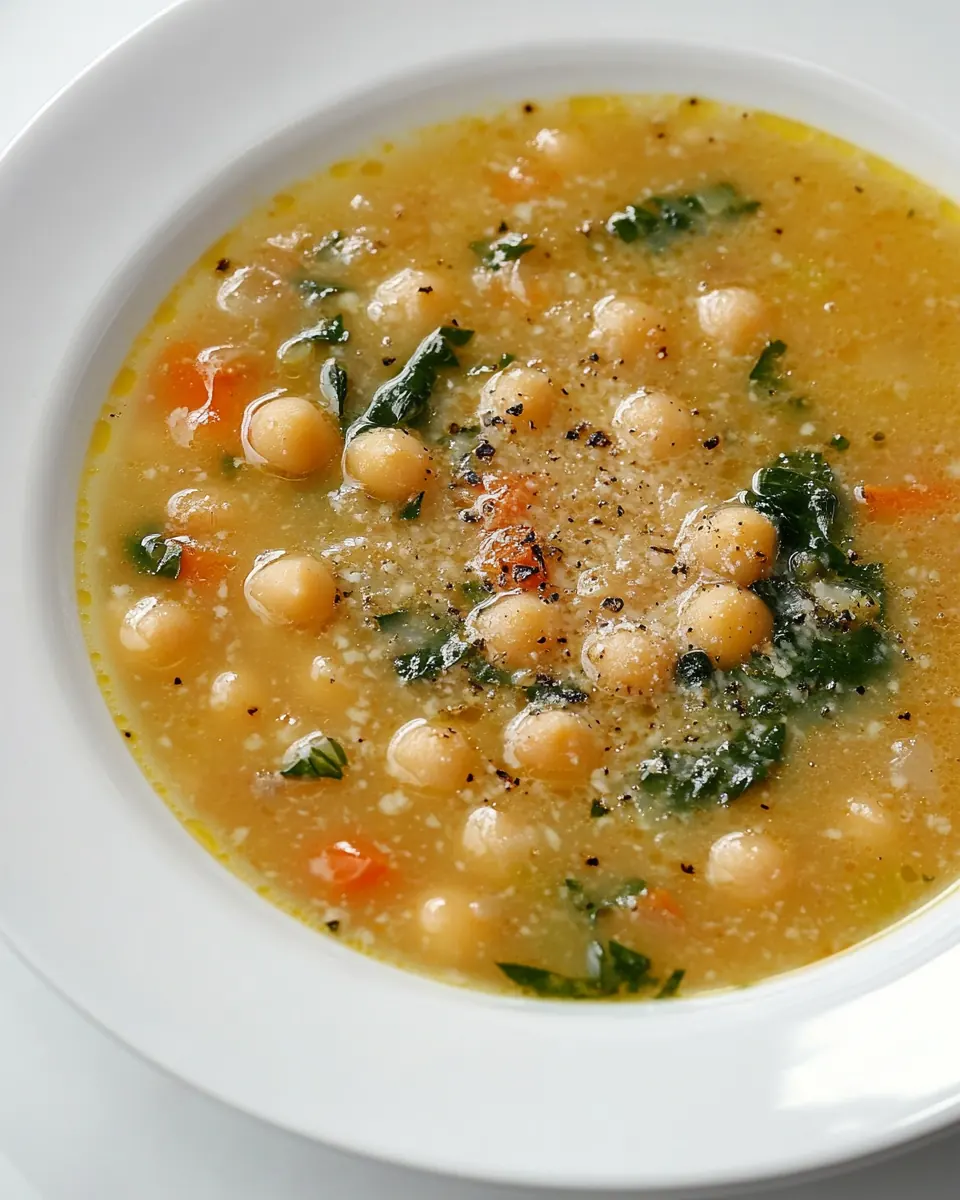
Serve hot, garnished with fresh parsley and a sprinkle of Parmesan, if desired.: Blending part of the pot changes the mouthfeel dramatically, giving you a silky body while preserving whole beans for contrast. As you pulse, watch the color deepen slightly and feel the spoon glide more smoothly, a sign that proteins and starches are integrating. This method enhances creaminess without adding dairy, and it keeps the dish lighter yet satisfying. A common pitfall is over blending, which can turn the entire soup into a puree, so blend in short bursts and step back to check the texture often.
Stir in the chopped kale and lemon juice: The addition of kale brings fresh green color and a slight bitter edge that brightens the pot. As the kale wilts, you will see it change from firm and matte to soft and glossy, a visual indicator it is ready. The lemon juice should be added at this stage to preserve its bright acidity, which cuts through the savory richness and lifts the flavors. Allow the soup to simmer for a couple more minutes until the kale is tender yet still has a slight bite. Avoid overcooking the greens, which can make them mushy and dull in flavor.
Simmer for an additional 2 to 3 minutes until the kale wilts: During these final minutes, aromas will sharpen and the soup will come together. Listen for a gentle simmer and watch the kale relax into the broth, marking the final stage of cooking. Taste for seasoning and adjust with a pinch more kosher salt or a squeeze of lemon juice to brighten as needed. A frequent mistake is skipping the final taste test; minor adjustments here make a big difference in balance.
Serve hot, garnished with fresh parsley and a sprinkle of Parmesan, if desired: The finishing touches are both visual and flavor forward. The fresh parsley adds a pop of green and a crisp herbal note, while a light dusting of Parmesan introduces umami and creaminess if you choose to include it. Serve in warmed bowls to keep the soup hot longer, and offer extra lemon or cheese at the table for personal preference. Over garnishing can mask the soup s delicate balance, so apply lightly and let the core flavors shine.