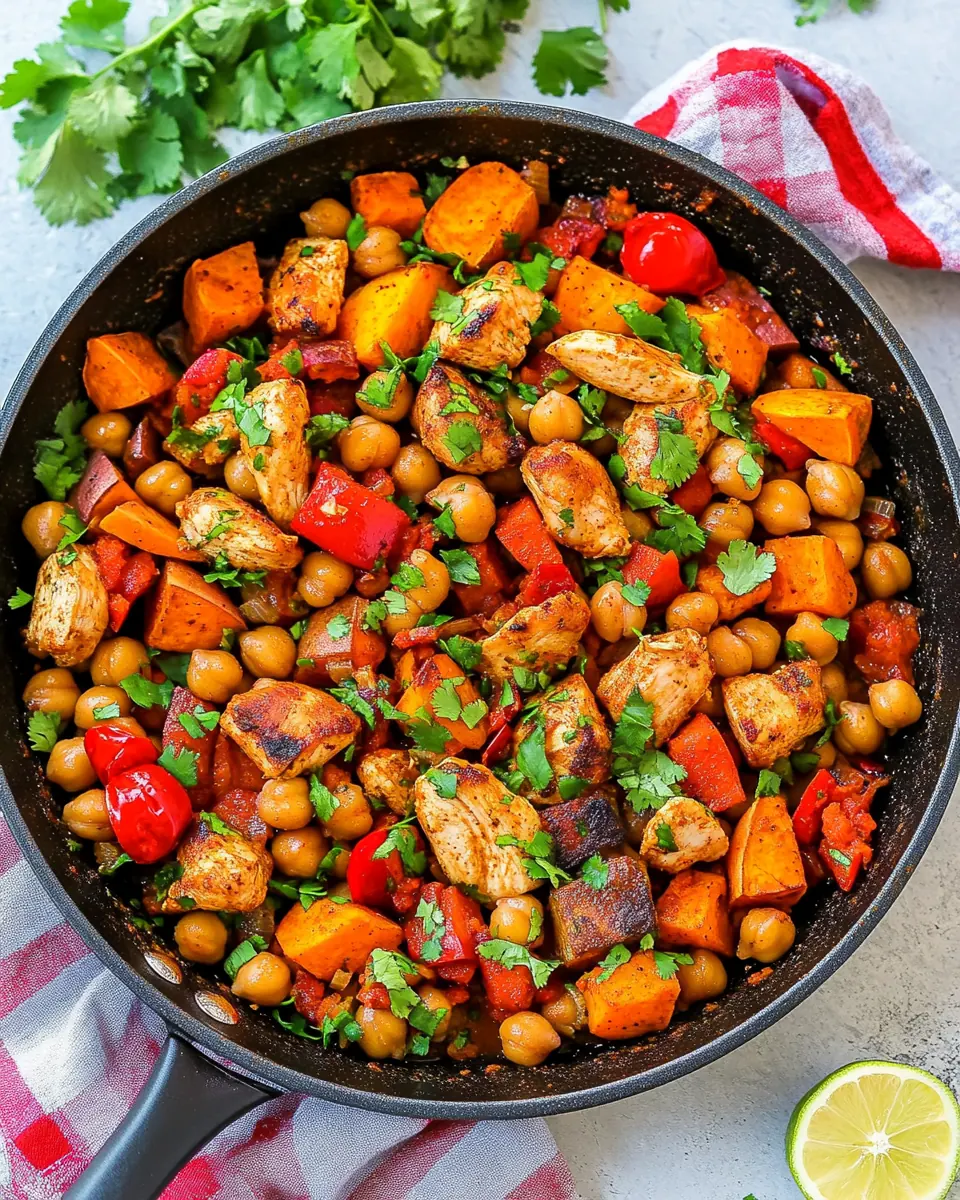
Heat 1/2 tablespoon olive oil in a large nonstick or cast-iron skillet over medium high, until hot and shimmering. Add the chicken, sprinkle with 1/2 teaspoon kosher salt, and 1/2 teaspoon black pepper. Cook until lightly browned and cooked through, about 5 minutes. Stir in the 1 tablespoon adobo sauce and let cook 30 additional seconds. Transfer to a plate and set aside.: You should hear a faint sizzle when the oil moves in the pan and see it shimmer across the surface, signaling it is hot enough to sear. This immediate contact will brown the exterior of the chicken quickly, creating a caramelized crust that locks in juices and adds savory depth. If the oil smokes heavily, lower the heat slightly, as too high a temperature can scorch the oil and impart a bitter flavor. One common mistake is overcrowding the pan, which causes the chicken to steam instead of brown, so give each piece room and work in batches if necessary.
Reduce the heat to medium. Add the remaining 1 tablespoon olive oil and the sweet potatoes to the skillet. Cook until the sweet potatoes are browned and slightly tender, about 6 minutes. Add the diced chipotle peppers, chickpeas, tomatoes, and green onion. Cook until the chickpeas are hot and the tomatoes begin to lose their shape, about 3 to 4 minutes.: As the pieces hit the pan you should hear them pop and begin to firm at the edges, developing a pale golden color in the first minute. Seasoning up front is important because the salt helps draw out surface moisture for better browning while the black pepper adds a warming counterpoint. If you skip this, the chicken can taste flat. Watch for quick changes in color, and avoid moving the pieces constantly; let them sit to form a crust.
Add the chicken back to the skillet and pour the lime juice over the top. Stir to combine. Sprinkle with cilantro. Serve warm.: You will see juices bead at the top and a uniform opaque color through the center when done, with a firm but yielding texture. The scent should shift from raw poultry to a toasty, savory aroma that signals the Maillard reaction is working. Cutting into a thick piece too early will release juices and dry the meat, so check multiple pieces and trust the visual cues. Overcooking here is the most common error, which yields dry chicken , so remove as soon as opaque.
Stir in the 1 tablespoon adobo sauce and let cook 30 additional seconds: The pan will steam slightly as the sauce hits the hot skillet and the smell of smoky, tangy adobo will bloom instantly. This brief contact helps the sauce cling to the chicken , creating an even coating without reducing away essential moisture. Be careful not to let the sauce burn against the hot metal, as that will create bitter notes. Thirty seconds is enough to marry the flavors without concentrating them too much.
Transfer to a plate and set aside: The warmed plate will hold residual heat and prevent the chicken from cooling too quickly, but be mindful that resting briefly allows juices to redistribute for better tenderness. Leaving the chicken in the pan while you cook the next components risks overcooking it, so move it off heat. One pitfall is forgetting the plate and letting the meat sit and congeal; a short rest is ideal rather than a long wait.
Reduce the heat to medium: Dropping the burner a notch keeps the skillet at a steady temperature for cooking the sweet potato without burning. You should see fewer active oil ripples and hear a softer sizzle. If you keep the heat too high, the exterior will char before the cubes soften; too low and the potatoes will stew instead of caramelize. Aim for a steady, moderate sizzle to develop color and texture.
Add the remaining 1 tablespoon olive oil and the sweet potatoes to the skillet: The additional oil helps promote even browning and prevents sticking as the sweet potato cubes hit the pan. You want a clear, steady sizzle and to see the edges pick up golden spots within a few minutes; this browning gives the potatoes a nutty, caramelized flavor that complements the chipotle. Stir occasionally so all sides color, and avoid crowding the pan which can lead to steaming rather than browning.
Cook until the sweet potatoes are browned and slightly tender about 6 minutes: The cubes should yield slightly when pierced with a fork but still hold their shape, showing a contrast between a crisp exterior and a soft interior. The aroma will sweeten and develop toasted notes as sugars caramelize. Rushing this step can leave hard centers; allow the potatoes enough time and adjust heat to ensure even cooking. If pieces are uneven, they will finish at different rates, so try to cut uniform cubes.
Add the diced chipotle peppers chickpeas tomatoes and green onion: As these ingredients hit the warm skillet you will hear a brighter sizzle and see the tomatoes begin to soften and release juices, creating a sauce base. The smoky heat of the diced chipotle will perfume the pan, while the chickpeas absorb flavors and the green onion adds a fresh lift. A common misstep is adding too many tomatoes at once, which can cool the pan and slow browning; give the skillet a moment to come back up to temperature.
Cook until the chickpeas are hot and the tomatoes begin to lose their shape about 3 to 4 minutes: The tomatoes should soften and break slightly, releasing sweet acidity that brightens the mixture, while the chickpeas warm through and take on some of the pan's caramelized flavors. The sound is a lower simmer and the smell becomes a blend of tomato sweetness and smoky heat. Avoid overcooking to the point where everything becomes mushy; you want distinct textures.
Add the chicken back to the skillet and pour the lime juice over the top: When the chicken returns, the citrus will hiss lightly and the aroma will snap bright, cutting through the smoky richness and balancing the sweetness. This step brings the elements together so each bite has contrast. One mistake is adding citrus too early, which can make flavors harsh; finishing with lime preserves its fresh acidity.
Stir to combine: As you fold the ingredients together you should see pockets of orange sweet potato, pale chickpeas , and reddish chipotle coated chicken . The skillet will steam briefly and the flavors meld quickly; stirring ensures even distribution of heat and sauce. Over stirring can break down softer components like tomatoes, so be gentle to retain texture.
Sprinkle with cilantro: The fresh herb will glisten and remain vibrantly green on top, offering a cool, herbaceous note that contrasts the warm, smoky base. Add it right before serving for maximum fragrance. If you add cilantro too early, its color and aroma will fade during reheating, so reserve it for the finish.
Serve warm: Transfer the skillet or portion onto plates while everything is still steaming so you capture the contrast of textures and the fresh lime aroma. Serving straight from the pan gives a rustic presentation and keeps the components unified. Avoid letting the dish sit too long before serving as the sweet potato can absorb too much moisture and soften further.