In a large mixing bowl, on medium speed, cream together the butter, brown sugar and granulated sugar for 1 to 2 minutes. Add the eggs, one at a time, and vanilla extract and continue to mix for an additional 1 to 2 minutes or until all the ingredients are incorporated.: You will notice the butter and sugars transform into a pale, fluffy cream with a slightly glossy surface, and the aroma becomes sweet and buttery. This aeration helps the cookies rise gently and contributes to a tender interior. If the mixture looks greasy, the butter was too warm, and you should chill slightly before continuing. Avoid undercreaming, which can leave the sugars gritty and prevent proper incorporation of the eggs.
In a medium bowl, mix together the all-purpose flour, instant vanilla pudding mix (just the dry powder - do not make the pudding), baking powder, baking soda and salt.: As you add each egg, the batter will loosen and become silkier, and you will see streaks disappear as it becomes homogenous. The batter should look smooth and slightly glossy, with a pleasant vanilla scent developing. If you see curdling, it usually means the butter and eggs were at very different temperatures, so scrape the bowl and mix gently until smooth. Overmixing at this stage can incorporate too much air, leading to flatter cookies.
While your mixer is on low, slowly add your dry ingredients to your wet ingredients just until they are incorporated. Do not over mix.: The dry mixture should be evenly combined so that the leaveners and salt are distributed uniformly. You will notice the powdery, pale tones of the flour contrasted with the finer pudding granules. Whisking briefly removes lumps and ensures every bite rises the same. If you skip this step, pockets of baking soda can create odd flavor pockets or uneven texture.
Fold your chocolate chips into your batter evenly.: As the dry mix disappears into the batter, you will see the dough thicken and take on a slightly denser sheen. Stop mixing as soon as streaks of flour vanish so the gluten does not overdevelop, which would make the cookies tough. If you notice the mixer struggling or the dough becoming sticky and elastic, you may have overmixed; chill the dough briefly to relax the gluten before continuing.
Chill your batter for 30 minutes or until your oven has time to pre-heat.: Folding by hand lets you feel the dough and ensures gentle incorporation so the chips remain distributed without deflating the dough. You should see pockets of dark chocolate contrasted against the pale dough, and the batter should feel soft and slightly tacky. If the chips clump, gently separate them with your spatula; do not overwork the dough, or the texture will suffer.
Preheat the oven to 350°F. Line a large rimmed baking sheet with parchment paper or a silicone mat.: Chilling firms the dough, which reduces spread and concentrates flavors. The chilled dough will feel more solid and easier to scoop, and the cookies will develop a slightly chewier texture after baking. If you skip chilling, the cookies may spread too thin and bake faster, losing that tender center. If the dough becomes rock hard, let it rest briefly at room temperature until scoopable.
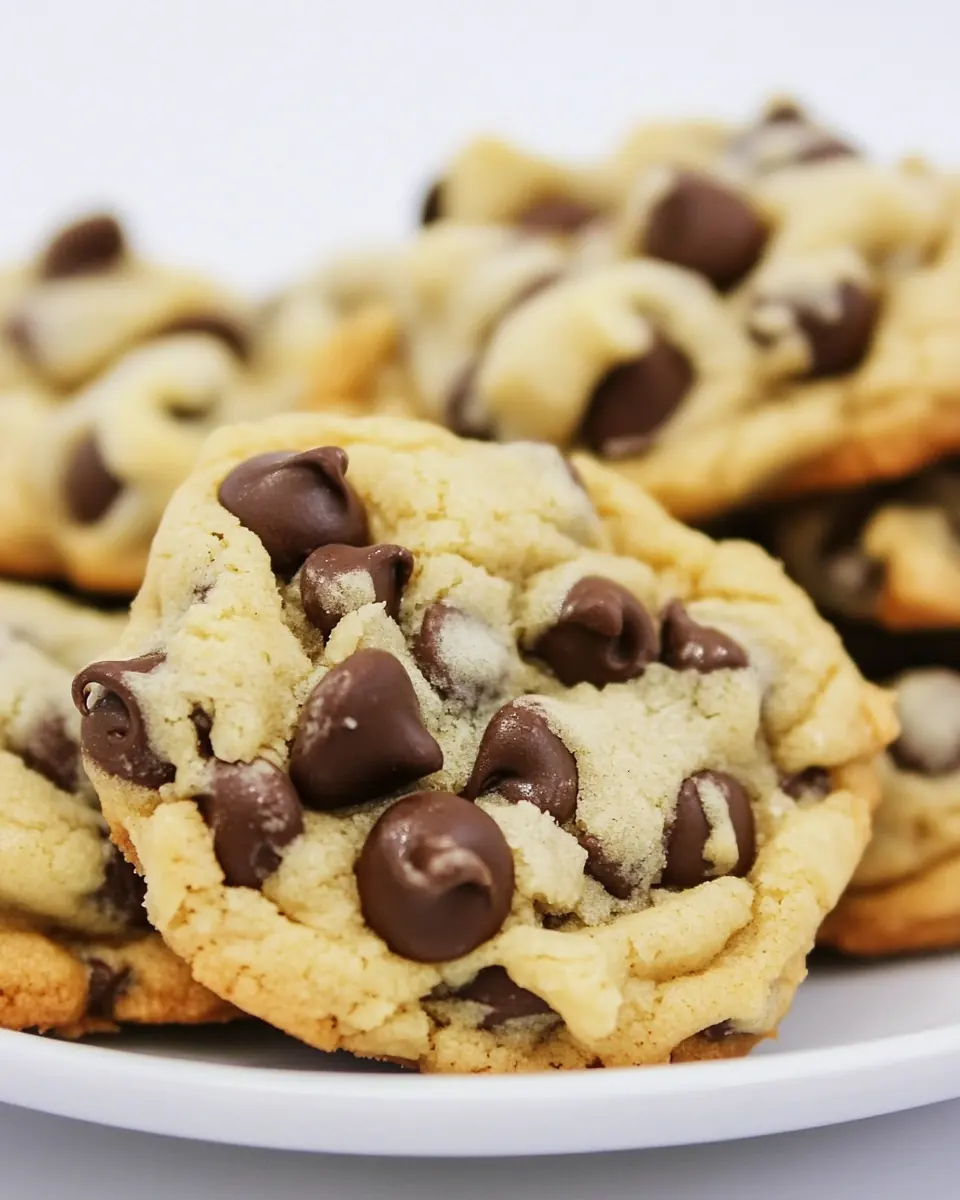
Scoop 1 inch (or 1 tablespoon) sized balls of cookie dough and place them 2 inches apart on your prepared baking sheet. You can use any leftover chips to place 3 to 4 on top of your dough balls if you want to make your cookies a little prettier.: Preheating creates an environment where cookies set properly, and the lined sheet prevents sticking and promotes even browning. The oven should be at full temperature before the cookies go in, otherwise they can spread erratically. If your oven runs hot or cold, use an oven thermometer to adjust accordingly, because inconsistent heat changes the final texture.
Bake for 10 minutes. Do not overbake your cookies. They should just look set (not raw) in the middle.: The dough balls should look uniform and slightly rounded; spacing helps heat circulate so they bake evenly. You might press a few extra chocolate chips on top for a prettier finish and a burst of chocolate on the top surface. If the dough sticks to your scoop, dip it in cold water between scoops, and avoid crowding the sheet which causes merging and uneven baking.
Once baked, transfer your cookies to a cooling rack for 5 minutes or until they cool completely.: Watch for the edges to set and gain a light golden color while the centers still look slightly soft. The aroma will be warm and chocolate forward, with a hint of caramel from the sugars. Removing them too late results in dry cookies, so take them out while the middle looks just set. If the tops puff too much, your oven may be too hot, so lower the temperature slightly next time.
Once baked, transfer your cookies to a cooling rack for 5 minutes or until they cool completely: As cookies cool, they finish setting and develop their final texture, and the chocolate chips begin to firm but stay melty inside. The bottoms should feel set and not doughy when lifted. If you leave them on the hot sheet too long they will continue cooking and may become firmer than desired, so move them promptly to cool air.