To a medium saucepan, add sugar, cream, cocoa powder, butter, corn syrup and salt; stir.: Right away you will notice the dry cocoa dust mingling with the sugar, creating a matte, sand like appearance that will become glossy as liquids warm. I like to whisk gently so the cocoa powder hydrates and there are no clumps, the aroma turning faintly chocolatey before you apply heat. The reason for combining everything cold is to ensure even melting and prevent the butter from seizing in separate pockets, which can create an uneven texture. A common pitfall is adding ingredients to a hot pan, which can cause localized scorching of the sugar, so start with a cool saucepan and mix thoroughly to distribute heat later on.
Bring to a boil over medium-high heat. Boil for 1 minute, stirring constantly until the sugar is dissolved. Remove from heat and add vanilla.: As the pan warms, listen for tiny, rapid bubbles then larger rolling bubbles when it reaches a boil, and the mixture will shift from grainy to velvety. Stirring constantly keeps the bottom from scorching and helps dissolve the granulated white sugar . When it has boiled for the brief minute, you will smell a deeper chocolate scent and see a glossy sheen. Take it off the heat promptly and stir in the vanilla extract , which preserves its fragrance. Avoid boiling for longer than instructed, because overcooking can make the sauce too thick once chilled, and the sugar can darken too far.
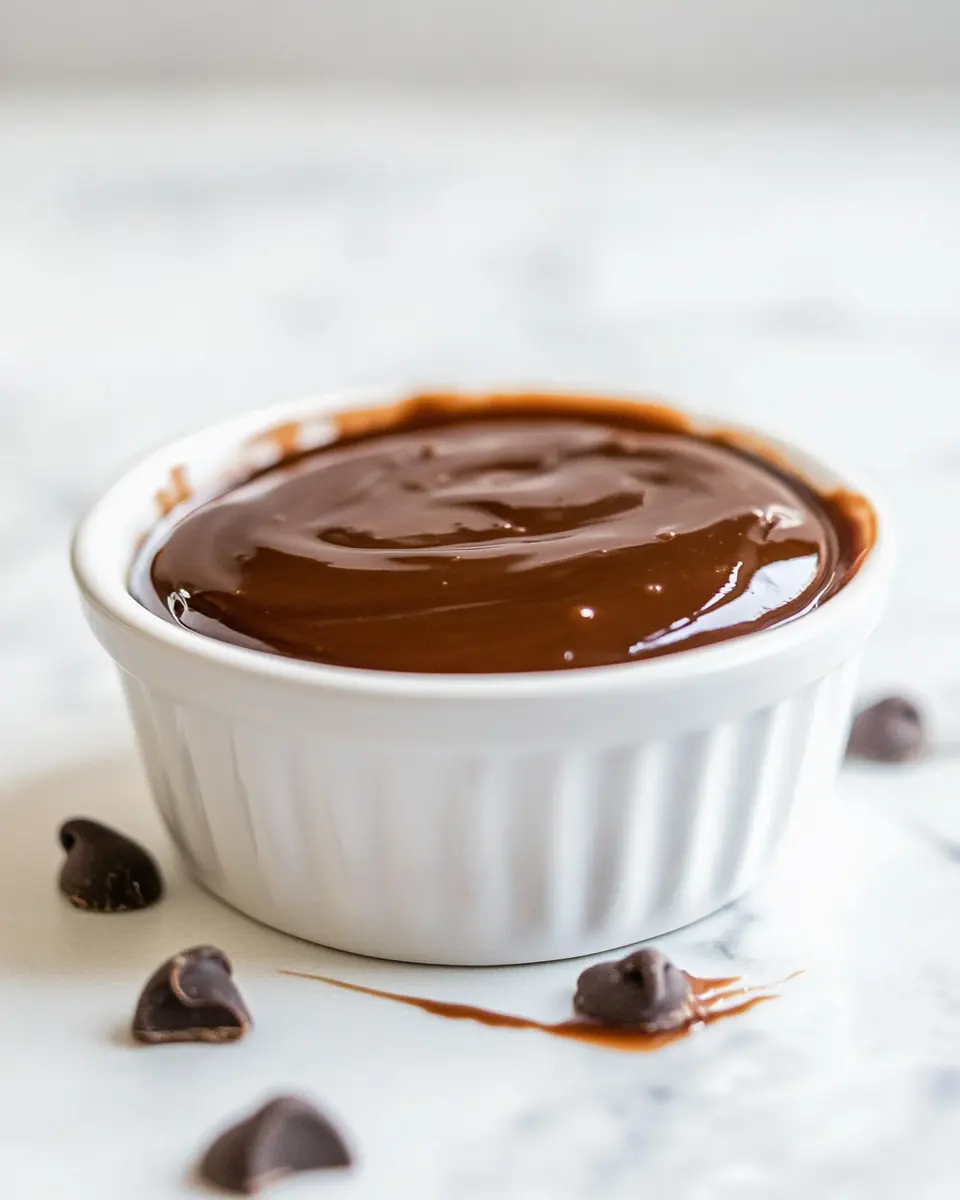
Serve over ice cream, cake, brownies, or puddings. Keep refrigerated.: Once cooled slightly, the sauce pours like warm velvet over desserts, clinging as it cools. You will notice it becomes thicker as it chills, so serve warm for drizzles or straight from the fridge if you want a thicker topping. For storage, pour into a clean jar and refrigerate; the light corn syrup helps it remain smooth when chilled. A common mistake is storing the sauce uncovered, which can form a skin; keep it sealed to preserve texture and aroma.