Go Back
Chocolate Peanut Butter Cookies

Chocolate Peanut Butter Cookies

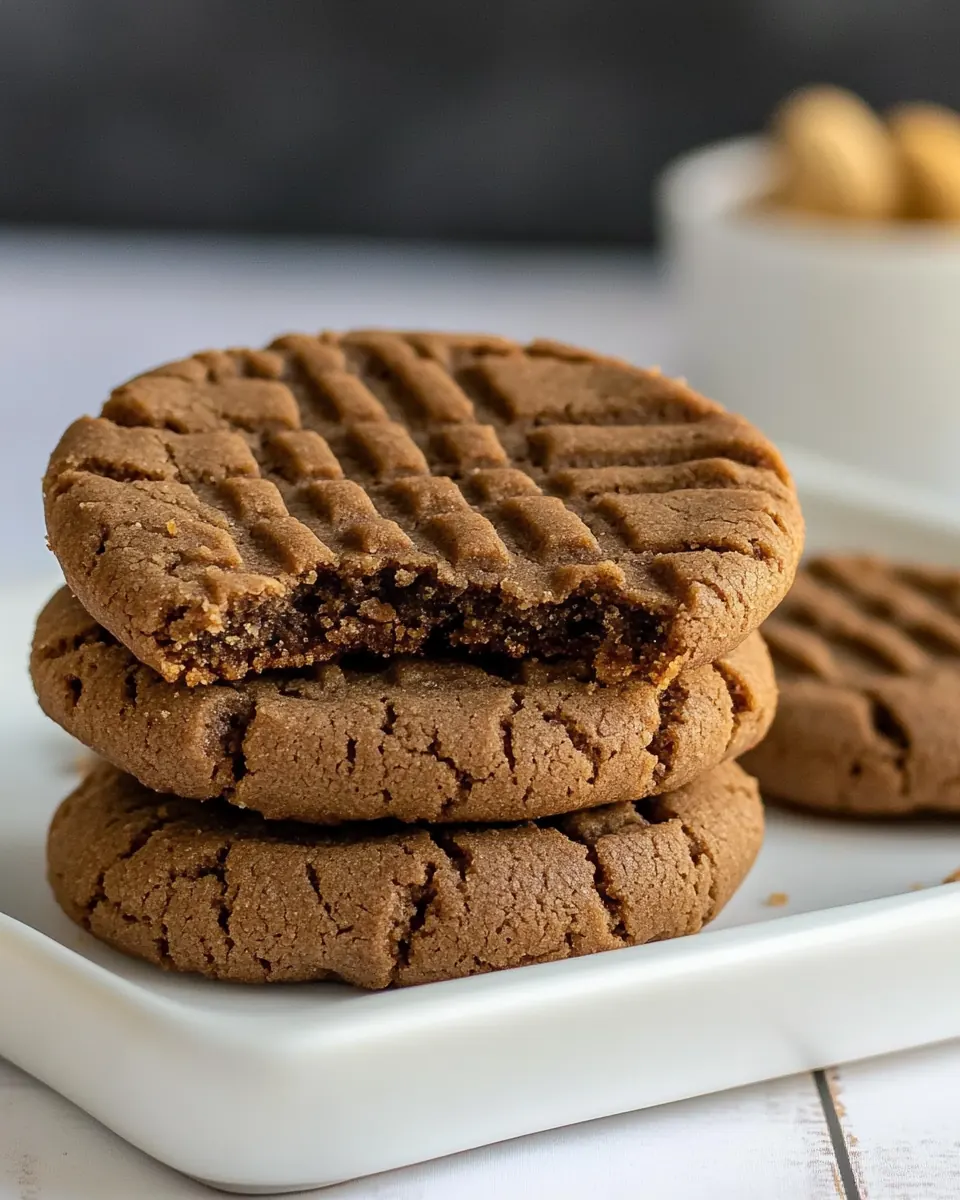
Chocolate Peanut Butter Cookies are chewy, rich, and easy to make, combining creamy peanut butter and melted semi sweet baking chocolate for a deeply satisfying cookie. With a tender center and slightly crisp edges, these cookies are a perfect easy treat for gatherings or a cozy night in, and they deliver nostalgic flavor with minimal fuss, making them worth baking again and again.
Prep Time 15 minutes
Cook Time 10 minutes
Total Time 25 minutes
Servings: 20 cookies
Course: Desserts
Cuisine: American
Calories: 150

Ingredients
  

  • 1/2 cup (113 g) unsalted butter softened Soften and cream to provide a tender, rich base that contributes moisture, structure, and a rich mouthfeel to the cookie dough; helps incorporate air when beaten with sugars for lightness.
  • 1/2 cup (130 g) creamy peanut butter Bind and add a pronounced nutty flavor while contributing richness and moisture; aids in tenderizing the dough and enhances the cookie’s chew and peanut butter character.
  • 3/4 cup (150 g) packed light brown sugar Sweeten and add deep caramelized notes while providing moisture and chewiness; helps create a soft, slightly fudgy texture and contributes to browning during baking.
  • 1/4 cup (50 g) granulated sugar Provide crystalline sweetness and assist with structure and spreading; granulated sugar helps create crisp edges and balances the deeper flavor of brown sugar.
  • 1 teaspoon vanilla extract Enhance overall flavor complexity and brighten the sweetness with warm, rounded aromatic notes; complements both chocolate and peanut butter flavors throughout the dough.
  • 2 ounces (57 g) semi-sweet baking chocolate melted and cooled slightly Enrich flavor with an intense chocolate backbone and add moisture and richness; melted and cooled chocolate deepens cocoa flavor and helps create a fudgy, cohesive texture.
  • 1 large egg Provide structure and stability by coagulating proteins during baking while contributing richness and lift; helps bind ingredients and ensures proper crumb development.
  • 1 tablespoon milk Adjust dough consistency and add slight tenderness and moisture; milk helps dissolve dry ingredients and contributes a touch of dairy flavor for balance.
  • 1/2 teaspoon baking soda Leaven dough by releasing carbon dioxide when activated, promoting spread and lightness; helps create a tender crumb and subtle lift in the finished cookie.
  • 1/4 teaspoon salt Enhance and balance sweetness while strengthening gluten slightly; salt amplifies flavors and rounds out the chocolate and peanut butter notes for a well-balanced cookie.
  • 2 tablespoons unsweetened cocoa powder Intensify chocolate flavor and deepen color while contributing slight dryness to the dough; cocoa powder provides concentrated chocolate notes and complements melted chocolate.
  • 1 2/3 cup (206 g) all-purpose flour Provide bulk and structure as the primary dry ingredient, forming the dough’s framework and determining texture; all-purpose flour creates the cookie’s chew and overall body.

Equipment

  • Mixer
  • Mixing Bowl
  • Cookie Sheets
  • Silicone baking mats or parchment paper
  • Fork

Method
 

  1. Preheat oven to 350°F. Line two cookie sheets with silicone baking mats or parchment paper.: The warm oven fills the kitchen with a dry heat that helps set the cookies quickly, producing slightly crisp edges while maintaining tender centers. Listen for the quiet hum of the preheat, and when the oven indicator signals ready, the air will feel consistently warm around the door area. Using silicone mats or parchment prevents sticking and promotes even browning. A common mistake is not preheating long enough, which can yield pale, undercooked cookies; wait until the oven reaches 350°F before baking.
  2. Place butter and peanut butter in a large bowl. Using a hand or a stand mixer, mix until combined then add both sugars. Cream until smooth. Mix in egg, vanilla, melted chocolate, and milk and mix on medium speed until combined.: As you beat the softened unsalted butter and peanut butter , you will notice the mixture lighten in color and become fluffy, which traps tiny air bubbles that help texture. Adding the sugars and creaming them introduces more air and a satin sheen to the batter. When you incorporate the egg , vanilla extract , and slightly cooled melted semi sweet baking chocolate , the aroma will turn rich and chocolate forward, and the bowl will feel silky when you stop mixing. If the mixture splatters, your butter may be too soft or mixer speed too high. A frequent slip up is adding hot chocolate to the egg, which risks cooking the egg, so ensure the melted chocolate has cooled.
  3. Mix in baking soda, cocoa, and salt, then slowly mix in flour and mix just until the batter is smooth and comes together. Be sure to scrape the sides of the bowl during mixing.: The dry ingredients, once added, introduce a subtle cocoa dustiness and a faint spice from the baking soda interaction. As the all purpose flour gets incorporated, the dough will transition from glossy to a scoopable mass. Scraping the bowl is crucial so pockets of flour do not remain unmixed, which can create dry specks in some cookies. Overmixing at this stage will develop too much gluten, making the cookies tough, so stop as soon as the dough is homogeneous.
  4. Scoop 2 tablespoon balls of dough and place 2 inches apart on prepared cookie sheets. Using a fork, create a criss cross pattern on the cookies to flatten slightly. (Tip: if the dough starts sticking to the fork, dip it in a bit of granulated sugar.): if the dough starts sticking to the fork, dip it in a bit of granulated sugar.) : When you portion the dough, you should feel a soft, slightly tacky texture that holds shape. The fork press gives a charming ridge pattern and helps the center flatten for even baking. If the dough spreads too much during baking, it might have been scooped too large or the butter too warm. If the fork sticks, a light dip in granulated sugar prevents drag and creates a delicate sugar finish on the surface.
  5. Bake for 9-13 minutes, or until the edges are just golden brown and the tops are no longer glossy. Cool on cookie sheets at least 10 minutes before removing.: As the cookies bake, the kitchen will fill with a toasted sugar and chocolate scent, and you may hear quiet crackles as moisture escapes. Look for edges that shift from pale to a soft golden brown while the centers lose their glossy sheen, signaling set but still tender middles. Letting them rest on the cookie sheet for 10 minutes allows carryover heat to finish baking gently, which keeps centers chewy. A common misstep is removing them too soon, which can lead to collapse, or leaving them too long, which dries them out.
Notes

  • Add Ins: If you like extras, try up to 1 cup total of mix ins like chocolate chips, chopped nuts, or candy, folded in gently at the end so they are evenly distributed.
  • Size Swaps: Bake 1 tablespoon cookies for a quicker cook time, about 7 to 11 minutes, and adjust timing if you scale up to larger scoops.
  • Chill for Texture: Refrigerating the dough for 30 minutes firms it up for thicker cookies with chewier centers and fewer spreading issues.
  • Fork Finish: Dip the fork in granulated sugar if the dough is sticky, which prevents clinging and gives a pretty surface.
  • Chocolate Temperature: Allow melted semi sweet baking chocolate to cool before adding so it blends cleanly without cooking the egg.