Preheat oven to 350℉.: The oven should smell neutral and steadily warm, and preheating ensures even rise and consistent baking, which prevents under or over baked centers. When the oven reaches temperature it maintains steady heat so cookies brown evenly at the edges while staying tender inside. A common mistake is not preheating fully, which leads to uneven texture and longer baking times.
Add butter and sugar to the bowl of your mixer and mix them together until light and fluffy. Add egg and vanilla; mix well. Combine flour and salt; stir into butter mixture. Fold in nuts and chips. Roll into 1 inch balls.: At this stage you will notice the butter and sugar turning pale and increasing in volume as air incorporates. The mixture should feel airy and smooth, and you will hear the mixer hum steadily but not loudly. This aeration is why the cookies are tender, since trapped air expands in the oven. Avoid overbeating after adding the egg , as too much mixing once the flour is in can develop gluten and make the cookies tough.
Place on ungreased baking sheets. Bake for 15-20 minutes. Cool cookies slightly before rolling in confectioners’ sugar.: The dry all purpose flour and salt will look powdery and even. When you fold them into the creamed mixture, work gently until most streaks of flour disappear and the dough comes together. The dough should feel slightly firm and not sticky. If you see a dry patch or overly wet areas, use a spatula to fold until homogeneous. Overmixing here creates a tougher texture, so stop as soon as there are no dry streaks.
Fold in nuts and chips.: When you add the chopped pecans and chocolate chips , the dough takes on flecks of dark chocolate and nutty flecks that distribute flavor. You can hear the soft scrape of the spatula and feel little resistance as nuts incorporate. Folding preserves the dough structure and prevents the chips from being crushed. A common pitfall is using a mixer at high speed which can break the chips or overwork the dough.
Roll into 1 inch balls.: The dough should be cool enough to roll without sticking to your hands excessively, and each ball should feel compact and even. Rolling creates uniform cookies that bake evenly. If the dough is too soft, chill it briefly for ten to fifteen minutes to firm up. Avoid making the balls too large which can cause underbaked centers while edges overbrown.
Place on ungreased baking sheets.: Arrange the dough balls spaced well apart so they have room to spread, and use ungreased sheets for a small crispness to the bottoms. The sheet should feel cool to the touch. You want the bottoms to develop a gentle color while the tops remain pale. Overcrowding will lead to merging and uneven browning.
Bake for 15 to 20 minutes.: As the cookies bake you'll see edges set and develop a light golden tone while centers remain soft. The aroma will shift from buttery to toasty, with notes of nuts and melted chocolate . Listen for a quiet settling sound when you open the oven, and look for a slight lift and tiny cracks on top. Baking too long causes dryness, so check at the earlier time and judge by color rather than relying solely on the clock.
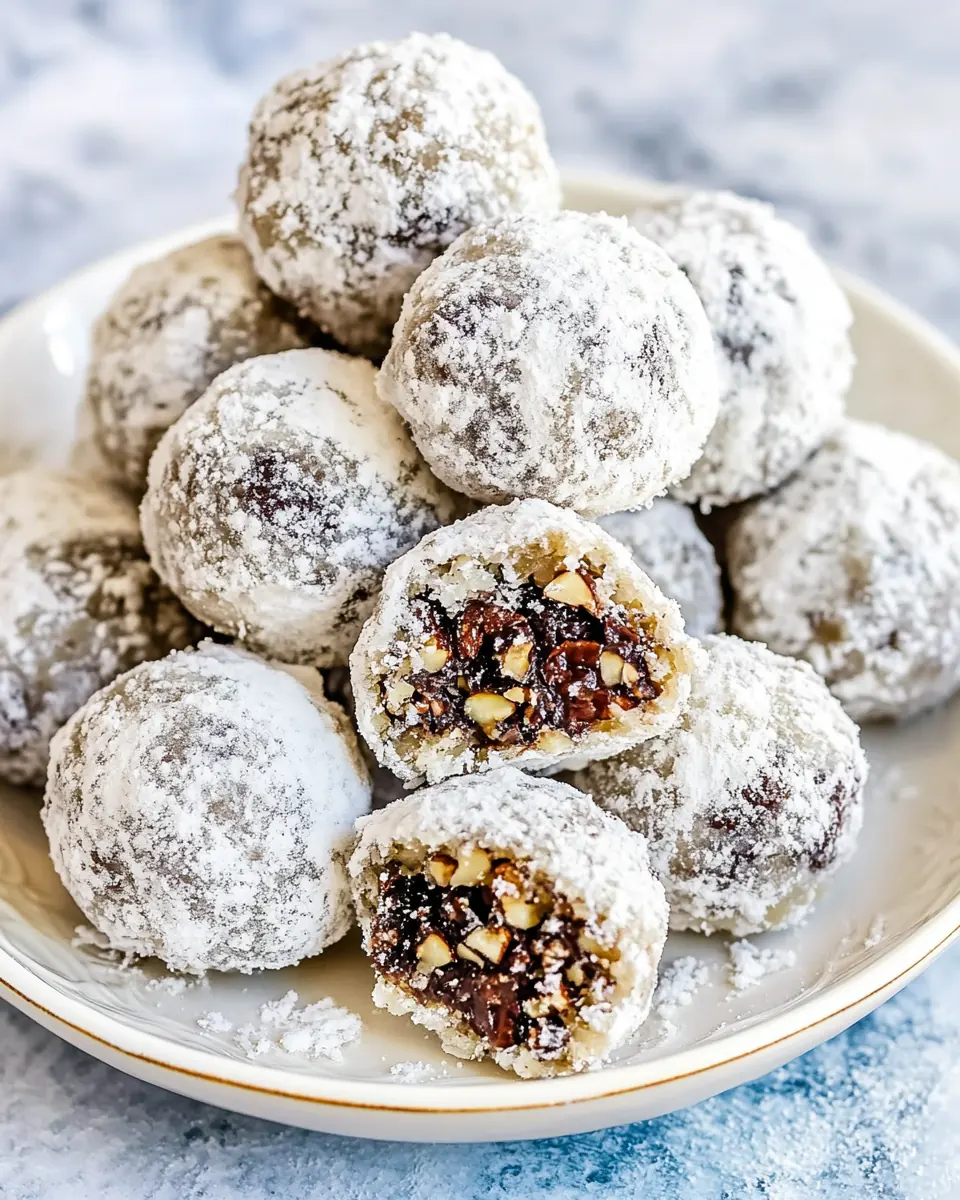
Cool cookies slightly before rolling in confectioners’ sugar.: Right out of the oven the cookies are warm and slightly fragile, which helps the powdered sugar adhere. As they cool the surface firms and the sugar settles into a snowy coating. If you roll them while too hot the sugar may melt into the cookie, so let them rest until they are warm but manageable. If the sugar melts, let the cookies cool completely and recoat for a bright finish.