Preheat the oven to 425.: You will notice a warm, dry heat as the oven comes to temperature, which helps the toffee set quickly and evenly when it hits the pan. This high heat encourages the butter and sugar to bubble up and thicken fast, creating a glossy caramel. A common mistake is not allowing the oven to fully reach temperature, which can lengthen baking and change how the toffee bubbles. Check the oven thermometer and give it a minute after the dial clicks to ensure consistency.
In a sauce pan, melt the butter and brown sugar together and bring to a boil. Allow to boil for about 5-6 minutes - stir occasionally.: As the butter and dark brown sugar merge, you will smell warm caramel and see the mixture transform from grainy to smooth and amber. The steady, gentle boiling concentrates the sugars which thickens the mixture to the right toffee consistency. Stirring occasionally prevents burning and ensures uniform color. Watch closely because once it starts to boil it can go from perfect to overcaramelized quickly, and burning is the most common pitfall here.
Put down parchment or a silpat mat or greased aluminum foil on a rimmed baking sheet. Lay saltine crackers out to cover the baking sheet (the pan must have a rim. It's important).: The surface you line helps with release and easy cleanup, and the rimmed sheet keeps the toffee from spilling. Arranging the saltine crackers forms the scaffold for the toffee; they do not need to be perfect but should mostly cover the surface. You will feel satisfied when the pan looks ready because the crackers make a neat grid. Avoid using an unlined pan or a sheet without a rim, which risks burnt sugar on the metal or a sticky oven mess.
Pour the brown sugar/butter boiling mixture over the crackers, cover as evenly as possible.: When you pour, the hot toffee will hiss softly as it meets the cool crackers, and you will see it spread and soak into the edges. This is when the toffee bonds with the saltine crackers , creating that classic toffee candy layer. Aim for even coverage so some areas are not overly thick, which could stay gooey. A frequent error is pouring too quickly and pooling the toffee in the center; pouring slowly and using a spoon to coax it helps.
Bake at 425 for 4-5 minutes until bubbly.: During baking you will hear a gentle bubbling and see the toffee rise slightly, becoming glossy and active. This brief bake sets the top surface and ensures the sugar cooks through. Keep your attention on color because the window is narrow; once the mixture darkens too much it can taste burnt. Opening the oven too often will drop the temperature, so rely on the visual bubble cue and watch through the glass.
Remove the sheet pan from the oven and pour the chips over the crackers. Don’t worry - they will melt. When they melt, use the back of a wooden spoon or a spatula and spread the chocolate over the crackers. Sprinkle Kosher salt evenly over the surface.: As the hot toffee meets the chocolate chips , they will slump and soften into shiny pools. The aroma shifts to warm chocolate, and the surface gleams as you spread it. Using the back of a spoon or spatula creates a smooth top, while the sprinkle of Kosher salt cuts the sweetness. A common slip up is spreading while the chocolate is either too cool or too hot; wait until the chips are soft to avoid tearing the surface and to get a uniform spread.
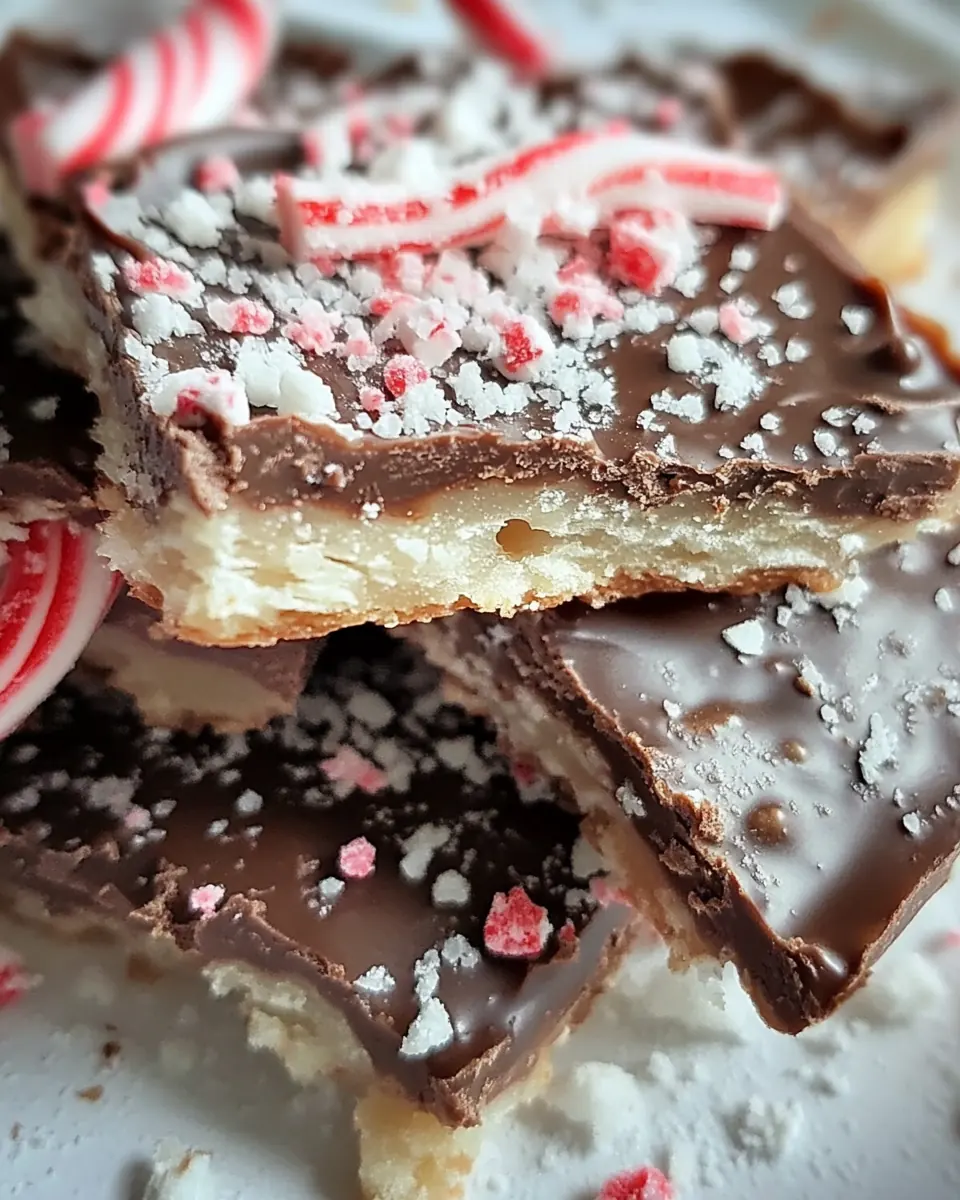
Allow to cool a bit on the counter and then sprinkle with crushed peppermints.: As the sheet cools you will feel the heat lift from the pan and the chocolate will start to thicken but still yield under a spatula. Sprinkling the crushed peppermints at this moment lets them adhere without sinking. The mint aroma will lift the heavier caramel notes. Avoid waiting too long, because if the chocolate hardens completely the peppermints will not stick as well.
Place the entire baking sheet into the fridge or even the freezer until the chocolate is hard - about an hour. Break it into pieces or cut with a knife or even a pizza cutter to create different sized pieces.: Cooling is where textures lock in, and the cold makes the chocolate brittle and the toffee snap cleanly. You will hear the quiet of the kitchen and maybe the hum of the fridge as the slab chills. Putting it in the freezer speeds things up, but moving it too sharply while still warm can smear the toppings, so lay it flat. A mistake I have seen is trying to cut it before it fully sets, which creates a sticky, messy result.
Store in a resealable container.: When the slab is cold, it will break with a satisfying snap and reveal a layered cross section of cracker, toffee, and chocolate. Use a sharp knife or a pizza cutter for cleaner edges, and press firmly to avoid crumbling. If you want shard like pieces, break by hand for rustic shapes. Cutting too early will drag the chocolate and produce uneven pieces.
Store in a resealable container.: Proper storage keeps the pieces crisp and prevents moisture from softening the toffee. Layer the pieces between parchment sheets to avoid sticking and keep them in a cool spot or the refrigerator for longer life. I often label the container so I remember when I made them. The usual error is stacking without separation which can fuse pieces together.