Preheat oven to 350 degrees Fahrenheit. Spray a large 9" bread pan with non-stick cooking spray and set aside.: When the oven warms, you will smell a faint warmth in the kitchen and the air will feel ready for baking, which sets the stage for even rising. This step matters because an oven at the right temperature helps the loaf set properly and develop a nice crust, not a quick collapse. A common mistake is putting the batter into a cold oven which can cause uneven rise and dense crumb, so always wait until the oven reaches temperature. If your oven runs hot, consider using an oven thermometer to verify accuracy, and position the rack in the center so heat circulates evenly.
Mix the 2 tablespoons brown sugar, 2 tablespoons granulated sugar, and 1/2 teaspoon cinnamon together and set aside.: The slick surface prevents sticking and helps the loaf release cleanly, and you will notice the pan surface feels smooth and ready. This simple prep reduces stress later when you try to unmold, ensuring your loaf keeps its shape. Avoid skimping on this because an underprepared pan can shred the crust when you remove the bread, which is disappointing after all that work. If you prefer, line the pan with parchment for extra insurance, pressing it to the bottom to avoid air pockets.
Whisk together 1 cup all-purpose flour, 1 teaspoon cinnamon, 3/4 teaspoon baking soda, 1/4 teaspoon salt, and 3 tablespoons unsweetened cocoa powder in a small bowl until combined. Set aside.: You will create a coarse, fragrant topping that smells sweet and spicy, and when sprinkled on the batter it forms a caramelized crust. This topping introduces a contrast in texture, an important element that makes each slice more interesting. Overmixing the topping is not a worry, but forgetting it will leave the loaf without that crunchy top note many people love. Keep the mixture loose so it sprinkles evenly across the batter surface in the next step.
In a stand mixer or using a hand mixer, beat together 1/2 cup sugar, 1/4 cup brown sugar, 1/4 cup canola oil, and 2 eggs for about 1-2 minutes until slightly fluffy. Add 1 teaspoon vanilla and 1/4 cup sour cream.: The aroma of cocoa and cinnamon will be subtle but inviting as you whisk, and sifting or thorough whisking ensures no clumps of cocoa remain, which would otherwise create streaks in the loaf. Properly combining the dry ingredients gives even flavor and consistent rise, because the leavening is dispersed uniformly. A common error is dumping wet into dry without mixing, which can create pockets of baking soda and cause odd tasting spots, so take the extra minute to whisk thoroughly.
Fold in the 1 1/2 cups grated and strained zucchini. Add the flour mixture, stir to combine, and lastly fold in the 1/2 cup mini chocolate chips.: As you beat, the mixture will lighten in color and take on a smoother, silkier texture; this aeration contributes to a lighter crumb. You will notice small bubbles and the batter will look more cohesive, which is a sign you have incorporated air. This step is important because it creates lift and integrates the fats and sugars properly. Avoid overbeating once you add the flour, because that will develop gluten and make the loaf tough. If you do not have a mixer, vigorous whisking by hand works fine but takes a bit longer to reach the same subtle fluffiness.
Pour the batter into the bread pan. Sprinkle the topping mixture on the top. Bake for 50-60 minutes. Oven temperatures vary, so just make sure a toothpick entered in the center comes clean.: The batter becomes more fragrant and richer as you add these, and the sour cream adds a slight tang that brightens the chocolate. The texture will feel silkier and slightly thicker, which helps distribute moisture through the loaf. This matters because the tang from the sour cream balances the sweetness and contributes to a tender crumb. A mistake to avoid is substituting a heavy dairy without adjusting liquid, which can throw off the batter consistency and lead to a heavier loaf.
Let cool for about 5-10 minutes and remove from pan.: The batter will become visibly flecked with green threads, and the mixture will smell fresher and slightly vegetal; straining avoids excess water that would make the loaf gummy. Folding gently ensures you do not deflate the aeration created earlier, which helps keep the texture light. If you shred too coarsely you may notice larger pockets of zucchini, which changes the mouthfeel, so aim for fine grating and a gentle fold. A common oversight is skipping the straining step, which risks a wet batter and underbaked center.
Add the flour mixture, stir to combine, and lastly fold in the 1/2 cup mini chocolate chips: After adding the dry mix, you will see the batter thicken and turn uniformly chocolate colored, and the chips will dot the batter like little promises of melty bites. Stirring just until combined preserves the tender crumb, because overmixing activates too much gluten. The mini chips distribute more evenly than larger chips, limiting sinkage and offering consistent chocolate pockets. Resist the urge to overwork the batter, as that is the main mistake people make at this stage and it leads to a tougher loaf.
Pour the batter into the bread pan: As you pour, the batter should flow slowly and settle into the corners, and you can tap the pan lightly to release air bubbles so the loaf bakes evenly. This visual cue of a smooth, even surface indicates the batter is well combined and ready for the oven. Failing to level the batter can produce uneven rise and a lopsided loaf, so smooth the top gently with a spatula. Also ensure the pan is not overfilled; leave some room for rise.
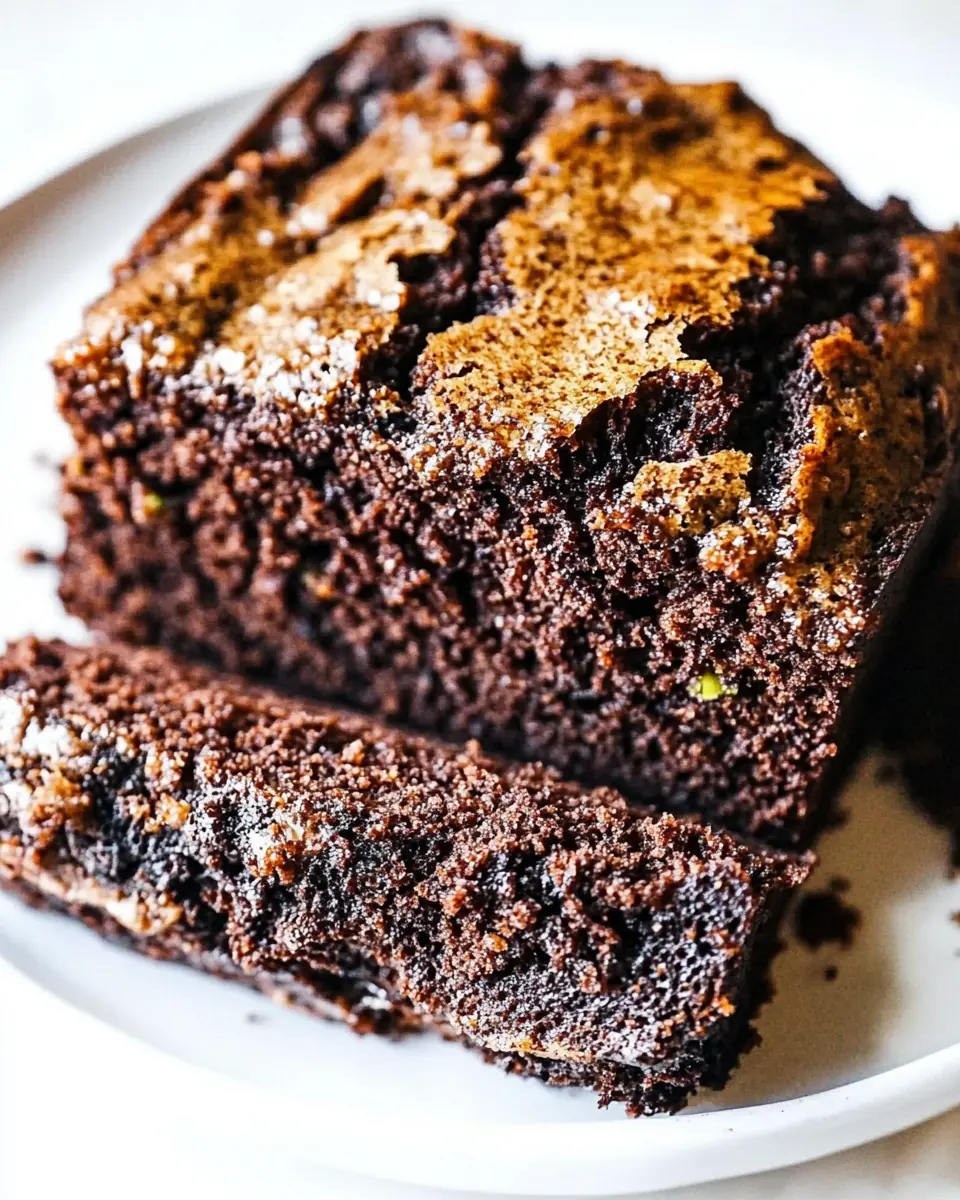
Sprinkle the topping mixture on the top: The sugar and cinnamon mixture will adhere to the surface and begin to melt as the loaf bakes, creating a thin, crackly crust that contrasts the soft interior. This step enhances texture and gives visual appeal, as the top will caramelize and shimmer slightly when done. A pitfall here is pressing the topping into the batter, which buries it and prevents the desired crisp finish, so simply sprinkle evenly.
Bake for 50 to 60 minutes: During baking you will notice the kitchen fill with warm chocolate and spice aromas, and the top will turn matte and set before developing a slight sheen where the sugars caramelize. The loaf is done when a toothpick inserted in the center comes out clean or with a few moist crumbs, which indicates the internal temperature and crumb are set properly. Baking too long will dry the loaf, while removing it too early can leave a gummy center, so start checking at the lower end of the time range and adjust for your oven.
Let cool for about 5 to 10 minutes and remove from pan: Sitting briefly helps the crumb settle so the loaf keeps its shape when you unmold, and you will notice the aroma mellow while the exterior firms slightly. If you leave it in the pan too long steam can build and soften the crust excessively, so aim to release it within that window. Use a cooling rack if you have one to let air circulate and preserve the crispness of the topping. A common error is trying to slice the loaf while it is too hot, which can lead to a smeared crumb, so allow a little patience before cutting.