Grease a large bowl. In a liquid measuring cup, combine the eggs, milk, and honey.: When you smell the warm milk and honey combine you know the yeast is waking up, the scent should be faintly sweet and milky. I always oil the bowl lightly so the sticky dough can rise without clinging, and that makes turning and folding far easier later. The reason this matters is it preserves the dough surface and allows even expansion. A typical misstep is using too much flour to prevent sticking, which dries the dough; instead use just enough grease.
In the bowl of a stand mixer fitted with a paddle, mix the flour, yeast, and salt and stir on low to combine. Add the egg mixture and mix on low to combine. Add the butter one piece at a time, then increase the speed to medium and beat the butter into the dough, until all the small butter pieces are incorporated, about 1 minute. Transfer the dough to the prepared bowl. The dough will be very sticky and shaggy, so use a spatula to scrape the dough into the bowl.: The texture here should be smooth and slightly viscous, with honey dissolving into the warm milk . Whisk until uniform so the eggs distribute evenly and the yeast will have a consistent environment. You will notice the mixture is glossy and warm, never hot. Avoid adding hot milk directly as it can shock the proteins in the eggs and harm yeast activity.
Cover the bowl with plastic wrap and let it rise for 30 minutes. Place your fingers underneath the dough and gently pull the dough up and fold it back over itself. Turn the bowl and repeat this folding again. Repeat 6 to 8 more times until the dough has been folded over on itself. Re-cover the bowl with plastic and let rise for 30 minutes. Repeat the series of folding 3 more times, for a rise time of 2 hours and a total of 4 foldings.: At this stage the dry aroma of the flour dominates, and evenly distributing the yeast and salt prevents pockets of concentrated salt that could impede rise. The dry mixture should look homogenous before the wet ingredients join. A common error is adding the liquid too quickly, which can lead to uneven hydration.
Tightly cover the bowl with the plastic wrap and refrigerate overnight, or up to 72 hours. Sarah suggests the dough can be used right away after the initial 2-hour rise, but she finds it easier to work with after it has been refrigerated overnight.: The mass will transition from dusty and crumbly to a shaggy, moist dough, and you will see strands forming as the gluten begins to develop. Keep the speed low to encourage gradual gluten formation without overworking. If the dough seems too dry, add a teaspoon of warm milk at a time to reach the right tacky feel. Beware of overmixing early, which can make the dough tough.
Flour a work surface and knead the sweet dough 10 to 12 times. Shape the dough into a ball, cover the top lightly with flour, and cover with a tea towel to come to room temperature.: As you incorporate the butter , the dough will become shinier and more cohesive, with pockets of fat dispersed through the gluten matrix. This creates the tender, layered quality of the rolls. If the butter is added too warm it will smear rather than distribute, so keep it at room temperature pieces. One mistake is adding all the butter at once, which prevents even integration.
Grease a 9 by 13-inch pan. In a small bowl, mix the brown sugar, cinnamon, and salt.: The dough will be very sticky and shaggy, so use a spatula to scrape the dough into the bowl. You will notice a glossy tackiness and slight elasticity as you lift it. This transfer stage protects the dough so it can rest and begin its first rise. If you try to shape it now you will fight stickiness and waste time; let it rest instead.
Roll the dough into a 16 x 12-inch rectangle. Brush the dough with the melted butter so the filling adheres. Sprinkle the cinnamon sugar mixture evenly over the dough.: The room should fill with a mild yeasty aroma as the dough relaxes, and the surface will puff slightly. This initial rest allows gluten to relax so subsequent folding creates gentle layers rather than tearing. A common pitfall is rushing the rise in a cold room; find a warm corner or turn the oven light on briefly to create a cozy environment.
Starting with the long side, roll the dough into a tight cylinder. Pinch the seam gently to seal it and position the dough seam side down. Use scissors or a sharp knife to cut the dough into 12 equal pieces or 8 equal pieces if you want larger cinnamon rolls. Place the pieces in the prepared pan cut-side up. Cover the pan loosely with plastic wrap and let the dough rise until doubled, 1 to 1 1/2 hours.: When you do this you feel the dough's elasticity and notice air bubbles under the surface. Folding encourages structure and develops layers without heavy kneading. Repeat multiple folds as instructed to build strength. Avoid harsh stretching which can deflate the dough; use gentle motions.
Preheat the oven to 350°F. Remove the plastic and bake for 25-27 minutes, rotating halfway through until the rolls are golden.: Each fold should feel smoother, and off once you have done several sessions the dough will look silkier and hold shape better. Folding for structure helps trap gases for a lighter crumb. Be careful not to overfold which can make the dough taut and resist rising.
Transfer the pan to a wire rack and let the rolls cool for 5 minutes before icing them.: With each repetition the dough matures, developing subtle elasticity and a refined texture. You will see increased volume and a softer surface sheen. The why here is that repeated gentle folding builds layers and strengthens the gluten network without heavy kneading. A mistake is making folds too vigorous, which can tear the dough.
In the bowl of a stand mixer fitted with a paddle, beat the butter and cream cheese on medium until smooth and creamy. Add the vanilla and salt and mix on low to combine. Add the powdered sugar and mix on low until combined. Scrape down the sides of the bowl and mix until light and fluffy, about 3-4 minutes.: After additional rest the dough will relax and expand further, showing small domes and a springy feel when pressed gently. This rest helps yeast activity continue and gives the dough a consistent interior structure. If the dough seems sluggish, check room temperature; it prefers a warm spot for reliable rising.
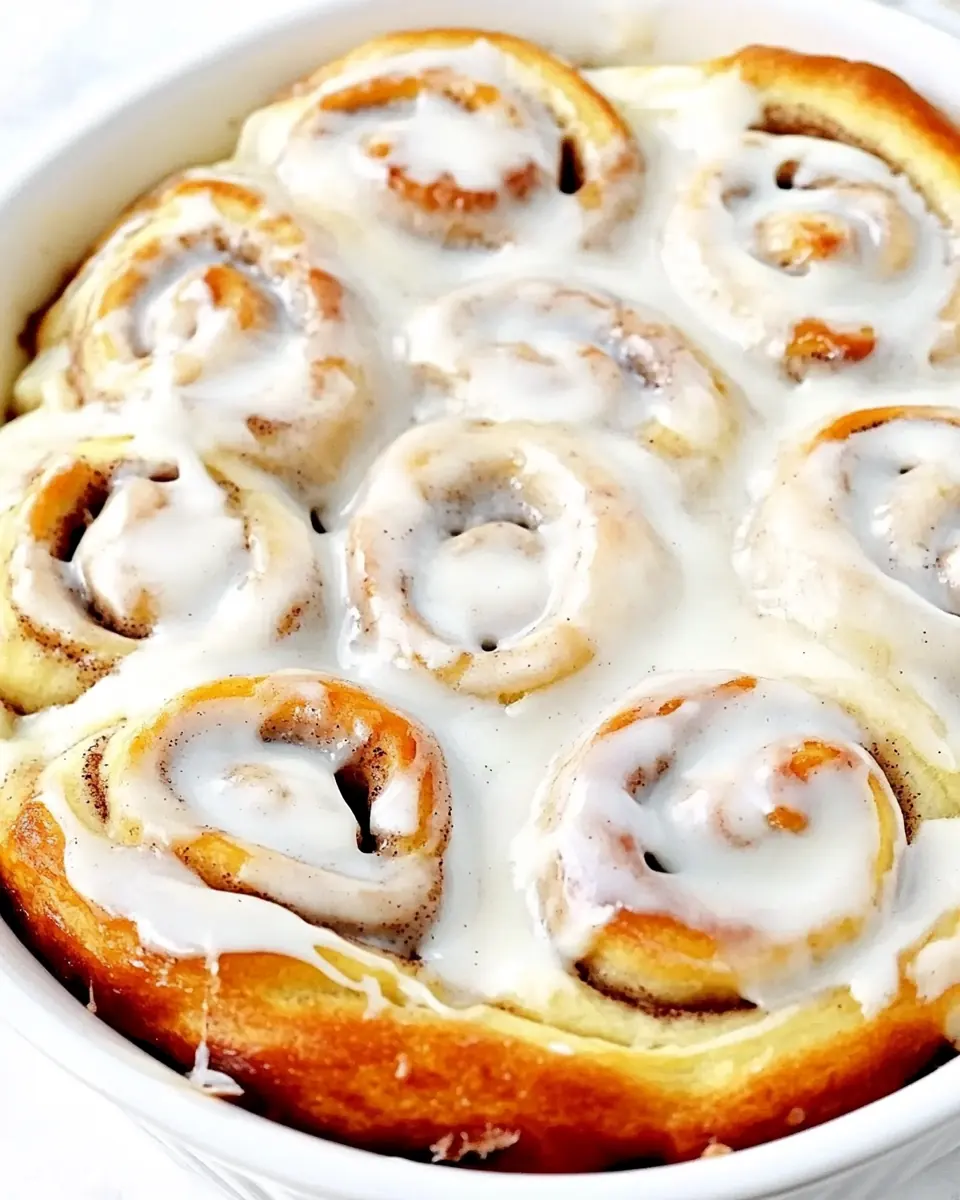
Apply a thin layer of the icing on the cinnamon rolls while warm so it seeps into all of the nooks and crannies of the rolls. Add more icing as desired and serve.: Over this extended timeframe the dough develops resilience and the layers become more defined, a tactile transformation you can sense with each fold. This staged approach yields a better crumb and even texture. Avoid skipping folds because that will yield a less tender interior and weaker rise.
Tightly cover the bowl with the plastic wrap and refrigerate overnight, or up to 72 hours: Chilling deepens flavor as the yeast ferments more slowly and the dough firms, making it easier to roll out later. You will notice a richer scent the next day and a dough that is calmer to handle. A common error is trying to roll straight from very cold dough; allow it to come to room temperature slightly before shaping.
Sarah suggests the dough can be used right away after the initial 2 hour rise, but she finds it easier to work with after it has been refrigerated overnight: If you use the dough immediately the texture will be slightly looser and the ribbons of cinnamon less defined, though still tasty. Refrigeration firms the butter and makes rolling cleaner, helping produce neat spirals. The trade off is time, so choose based on your schedule.
Flour a work surface and knead the sweet dough 10 to 12 times: Kneading briefly just enough times creates a smooth surface and removes large air pockets while preserving the tender structure. You will feel the dough spring and become satiny. Overkneading can make the rolls tough, so stick to the recommended counts.
Shape the dough into a ball, cover the top lightly with flour, and cover with a tea towel to come to room temperature: The dough should relax and warm slightly, making it pliable for rolling. The outer skin will smooth and the interior will feel elastic. If it resists rolling, let it rest a bit longer rather than forcing it.
Grease a 9 by 13 inch pan: A well greased pan ensures the rolls release easily and the edges brown evenly. I use a light coating to keep the bottoms tender. Too little grease risks sticking and tearing when you remove the rolls.
In a small bowl, mix the brown sugar, cinnamon, and salt: The aroma of cinnamon and brown sugar should be warm and inviting, a hint of molasses present from the brown sugar. Mixing evenly prevents any bitter pockets. Uneven distribution will lead to inconsistent sweetness when baked.
Roll the dough into a 16 x 12 inch rectangle: The rectangle should be even in thickness with a slightly springy surface; this helps the roll spiral uniformly. If the dough resists stretching, let it rest for a few minutes then continue. A common issue is uneven thickness, which yields rolls that bake at different rates.
Brush the dough with the melted butter so the filling adheres: The melted butter gives the filling something to cling to and encourages caramelization as it bakes, producing glossy edges. It should be warm, not hot, so it does not melt the sugar prematurely. Brushing too scant can cause the filling to shift during rolling.
Sprinkle the cinnamon sugar mixture evenly over the dough: You want an even dusting so each bite has consistent flavor, and a gentle press helps the sugar anchor. The visual should be a uniform layer of speckled cinnamon across the dough. Piles of sugar in one spot will create pockets of intense sweetness that can overwhelm the balance.
Starting with the long side, roll the dough into a tight cylinder: As you roll you will hear a faint stretching sound and feel resistance as layers come together; aim for a snug spiral so the rolls hold shape. Pinch the seam to seal so the roll does not unravel. Rolling too loosely leads to sloppy swirls that fall apart during rising.
Pinch the seam gently to seal it and position the dough seam side down: Sealing the seam helps maintain the spiral integrity, and placing it seam side down keeps the rolls tidy in the pan. This small action makes a noticeable difference in presentation. Forgetting to seal will let the roll unwind during the second rise.
Use scissors or a sharp knife to cut the dough into 12 equal pieces or 8 equal pieces if you want larger cinnamon rolls: When you cut through you should see defined swirls and a soft, snug center. I often use dental floss for a clean slice, avoiding compression. Unequal cuts bake unevenly, so measure or mark the log first.
Place the pieces in the prepared pan cut side up: Arrange them so there is room to rise and the sides will bake into a nicely touching edge. You will notice they sit snug but not crowded. Overcrowding can prevent even browning and hinder the rise.
Cover the pan loosely with plastic wrap and let the dough rise until doubled, 1 to 1 1/2 hours: Watch for a puffed, airy look and a springy surface when gently tapped. This second rise is crucial for lightness and ensures the centers are tender. Rushing this step yields dense interiors and under proofed texture.
Preheat the oven to 350°F: When you preheat you create a steady environment so the rolls begin to rise immediately on baking, producing a taller profile. The oven should be thoroughly warm before baking. Baking in a cool oven leads to poor oven spring and a denser roll.
Remove the plastic and bake for 25 to 27 minutes, rotating halfway through until the rolls are golden: During baking the kitchen fills with sweet, toasty aromas and the tops become golden with caramelized edges. Rotate the pan for even color and watch for a gentle jiggle in the center when tested. Leaving them too long produces dry rolls, so check near the end of the window.
Transfer the pan to a wire rack and let the rolls cool for 5 minutes before icing them: The brief cooling prevents the icing from melting entirely away while the rolls settle and finish cooking. You will still feel warm steam when you lift the pan. Icing too soon makes it run off, but waiting too long makes it harder to spread evenly.
In the bowl of a stand mixer fitted with a paddle, beat the butter and cream cheese on medium until smooth and creamy: The texture becomes silky and slightly glossy, and the aroma turns mildly tangy from the cream cheese . Smoothness here prevents lumps in the frosting. If either ingredient is too cold you will see flecks rather than a uniform spread.
Add the vanilla and salt and mix on low to combine: Low speed keeps the mixture from splattering while the flavor elements meld; the salt sharpens the sweet and the vanilla adds warmth. Mixing too vigorously can create air bubbles that affect texture in the icing.
Add the powdered sugar and mix on low until combined: The frosting will thicken and turn glossy as the sugar incorporates, yielding a spreadable consistency. Scrape the bowl to ensure even mixing and no pockets of dry sugar remain. Adding sugar too quickly can send dust clouds, so add gradually.
Scrape down the sides of the bowl and mix until light and fluffy, about 3 to 4 minutes: The final whip aerates the frosting, making it silky and easy to spread so it sinks into the roll crevices. The scent should be sweet with a cream cheese tang. Overbeating can make the icing too soft to hold shape, so stop when light and airy.
Apply a thin layer of the icing on the cinnamon rolls while warm so it seeps into all of the nooks and crannies of the rolls: The heat helps the icing become glossy and settle into the spirals, creating a marbled sheen and pockets of creamy sweetness. I apply a modest amount first, then add more if desired. Slathering too heavily at once can overwhelm the cinnamon flavor.
Add more icing as desired and serve: When you serve, the rolls should be warm with a silky glaze and an inviting aroma, and each bite will have contrast between soft dough and sweet icing. Serve on a plate and watch the smiles appear. If left to cool completely the centers will set firmer, but they remain delicious.