Spray a 9×13-inch baking pan with nonstick cooking spray. Arrange all 12 of the cinnamon rolls into the prepared pan. Cover the pan with plastic wrap sprayed with cooking spray to prevent the rolls from sticking to the plastic wrap while rising.: The air in your kitchen will start to feel slightly humid as you arrange the rolls, and you should notice the dough springs back gently when nudged. The smell is neutral at this stage, just clean dough and butter notes. This setup protects the rolls while they rise, so they keep shape and do not form a skin. A common mistake is skipping the nonstick spray, which can lead to stuck edges when the rolls expand. Visually, you want equal spacing so they can puff uniformly; if they are touching before rising that is fine, but crowded placement can alter browning patterns. Use a pan that conducts heat evenly so the bottoms brown without burning.
Choose your preferred thaw and rise method from the back of the Rhodes bag. The regular method will take 3-5 hours and the refrigerator method can be done overnight for 8-16 hours.: As the dough sits, you will see it gradually swell, and the surface becomes slightly smoother and taut. The slower refrigerator rise develops a touch more depth of flavor, while the room temperature approach is faster and perfectly fine when you need rolls sooner. I find the overnight method convenient for planning ahead, because the dough is easier to handle and the timing is forgiving. Avoid rushing the rise by cranking up heat, since that can cause uneven proofing and dense centers. Check for a noticeable increase in volume, about doubled, before proceeding to baking so the texture ends up light and tender.
Once the rolls have doubled in size, preheat the oven to 350°F. Pour the heavy cream directly over the rolls and allow it to seep into the rolls for about 5 minutes.: The moment you pour the heavy whipping cream you should hear a soft glug and see it pool into the swirls, darkening the dough slightly as it soaks in. After a few minutes the dough looks glossy and slightly saturated, which hints at the custardy interior that will bake up. This technique matters because it creates steam and richness inside the layers, producing a tender crumb. Do not pour too early during a cool rise, or the cream may chill rather than soak; wait until they are well risen. If you notice pools on the bottom after baking, you may have used too much cream, so measure carefully for an even texture.
In a medium bowl, whisk together the melted butter, brown sugar, cinnamon and vanilla. Pour this mixture directly over the rolls and use an offset spatula to spread it evenly.: The mixture should shimmer and smell warmly of toasted sugar and spice when you whisk it. As you pour, you will see it stream into the crevices, and spreading with an offset spatula ensures every spiral gets flavor. This step adds concentrated pockets of caramelized sweetness that bloom during baking, giving rich mouthfuls. A frequent error is not mixing the components thoroughly, which leaves clumps of sugar; whisk until smooth. Visually, you want an even coat without large pools, because uneven topping can create spots that are overly brown or under flavored after baking.
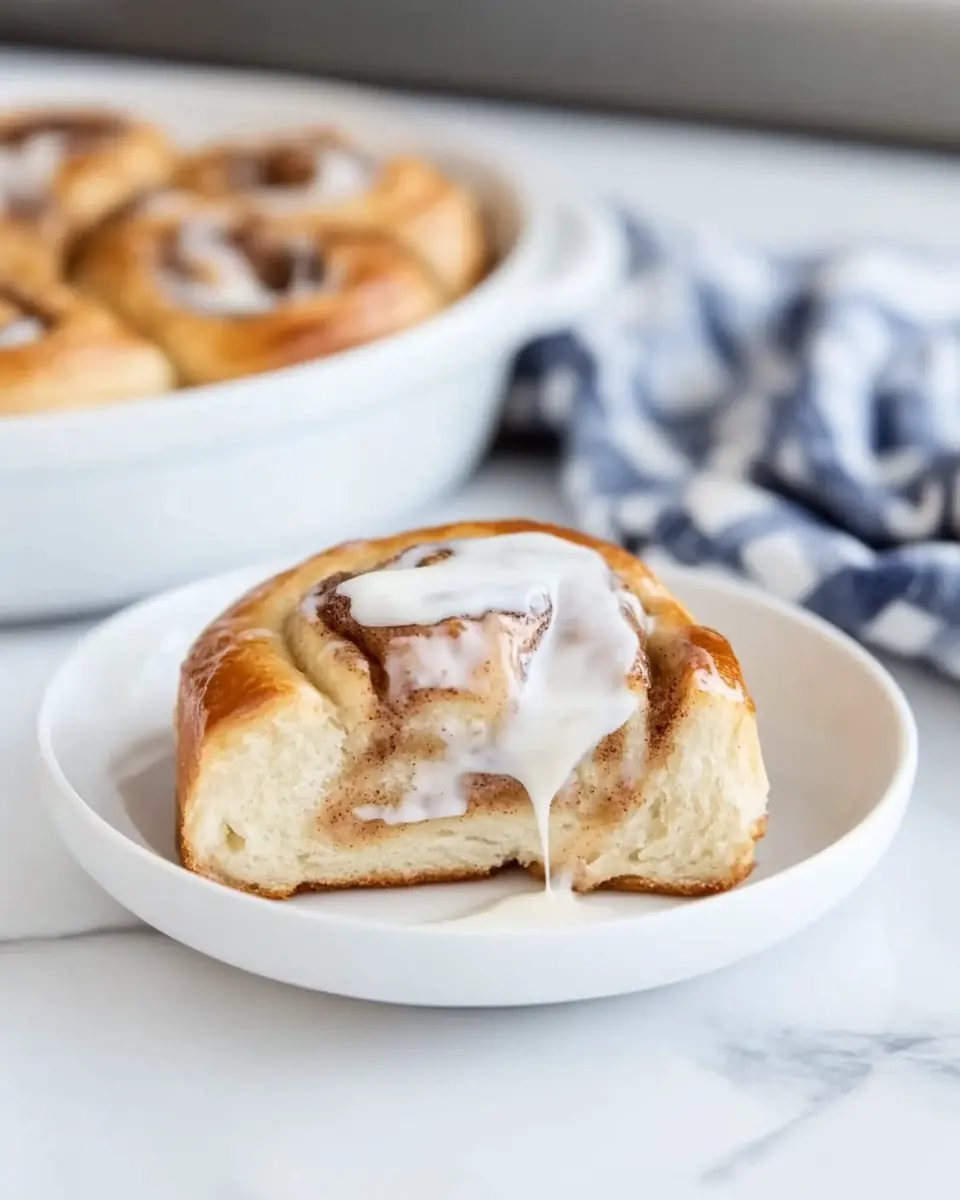
Bake uncovered in preheated oven for 30-35 minutes or until the rolls are golden brown. Allow the rolls to cool for about 10 minutes before frosting with the cream cheese icing frosting that is included in the Rhodes Thaw, Rise and Bake Cinnamon Rolls.: As the rolls bake, the kitchen fills with a warm, toasty aroma, and you will hear a faint crackle as the sugar caramelizes on edges. The visual cue is a deep golden top and slightly darker edges, indicating that the sugars have browned. This baking window caramelizes the topping while setting the interior, yielding a moist center and a slightly crisp exterior. Resist the urge to open the oven frequently, since that drops temperature and interferes with even browning. A common pitfall is underbaking, which leaves a gummy center, so look for that golden color and slightly firm surface before removing.
Allow the rolls to cool for about 10 minutes before frosting with the cream cheese icing frosting that is included in the Rhodes Thaw, Rise and Bake Cinnamon Rolls: That ten minute rest is sensory gold, the steam subsides and the rolls settle into a tender, sliceable state. The heat will soften the included cream cheese frosting slightly when applied, causing it to spread luxuriously without melting away. This pause also prevents the frosting from becoming too thin and sliding off the rolls, preserving a good balance of cream and dough. A misstep is frosting immediately out of the oven, which leads to overly runny icing and lost texture. When you spread the frosting, notice the glossy ribbon it leaves, and enjoy the contrast between warm rolls and cool frosting as it sets lightly on top.