Go Back
Coconut Banana Cream Pudding

Coconut Banana Cream Pudding

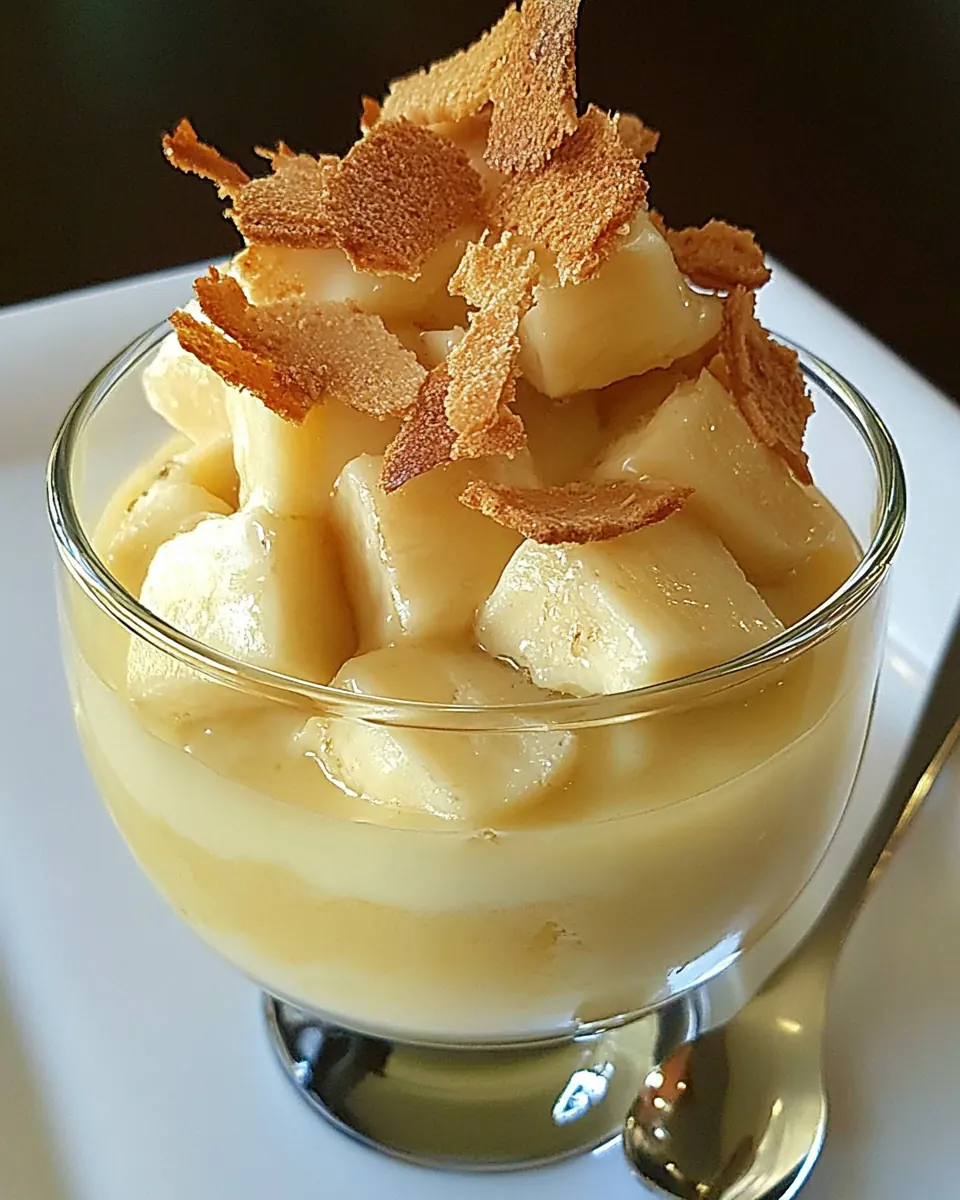
Coconut Banana Cream Pudding is a creamy, tropical dessert blending silky coconut milk, ripe bananas, and a touch of honey for natural sweetness. This easy, pantry friendly pudding cooks up quickly and offers a smooth, custard like texture that’s perfect for weeknight treats or casual entertaining. Make it warm for a comforting finish or chill it for a firmer set, either way it’s a crowd pleaser worth trying.
Prep Time 10 minutes
Cook Time 20 minutes
Total Time 30 minutes
Servings: 8 people
Course: Desserts
Cuisine: American
Calories: 180

Ingredients
  

  • 1/4 cup cornstarch or arrowroot Thickening agent that creates a smooth, velvety pudding texture by absorbing liquid and swelling when heated; whisk into cold liquid before cooking to prevent lumps. Provides structure and stability so the custard sets properly while remaining silky on the palate.
  • 1/4 teaspoons salt Enhancing flavor with a subtle contrast to sweetness, bringing out the depth of other ingredients without overpowering them; helps balance richness in the custard. Also aids in highlighting natural flavors like banana and coconut when used sparingly.
  • 1/3 cup pure honey Natural sweetener that adds floral, complex sweetness and helps with browning during cooking; dissolve into the liquid base for even distribution. Contributes to the overall mouthfeel and sweetness level while offering a cleaner sugar profile than refined sugar.
  • 1 1/2 cups lite coconut milk canned is preferred Creamy liquid base offering a light coconut flavor that enriches the pudding while keeping it lighter than full-fat coconut milk; canned is preferred for consistency and creaminess. Supplies fat needed to carry flavors and create a smooth mouthfeel, contributing to the custard’s richness without being overly heavy.
  • 2 egg yolks slightly beaten Binding and thickening component that enriches texture and imparts a custardy richness when tempered into hot liquid to avoid curdling; use slightly beaten for even incorporation. Adds color, silkiness, and protein structure that helps the pudding set firmly yet tenderly.
  • 1 teaspoon vanilla extract Aromatic enhancer that imparts warm, sweet vanilla notes, rounding out the dessert’s flavor profile; stir in toward the end of cooking to preserve its volatile aromas. Amplifies other flavors without adding sweetness, making the banana and coconut more pronounced.
  • 1/2 cup coconut flakes unsweetened Textural and flavor accent that provides toasty coconut notes and a chewy contrast to the smooth pudding; can be toasted beforehand to intensify flavor. Adds visual interest and coconut richness, complementing the coconut milk base while offering a pleasant bite.
  • 2 bananas slice into 1/2 inch pieces Fresh fruit component offering natural sweetness, creamy texture, and banana flavor that pairs with coconut; slice into uniform pieces for even distribution and aesthetics. Contributes moisture and a fruity counterpoint to the rich custard, enhancing both taste and texture.

Equipment

  • Heavy saucepan
  • Whisk
  • Spatula
  • Measuring Cups

Method
 

  1. In a heavy saucepan, mix cornstarch and salt. Add honey and egg yolks to dry ingredients, gradually stir in milk until it's well combined. Cook over medium-low heat while stirring continuously to prevent sticking. Cook until desired thickness, about 8 to 10 minutes.: As you begin, notice the faint, powdery scent of the dry mixture, and feel its light texture between your fingers. Use a whisk to blend the cornstarch and salt thoroughly so there are no pockets of starch that could later become gummy. The why here is simple, the even distribution of starch ensures a uniform set and prevents gritty bits. Troubleshooting tip, if you see streaks of starch clinging in the pan, whisk vigorously to break them up before adding any liquid.
  2. Remove from heat and add coconut and vanilla extract, stir. Layer pudding and sliced bananas, serve in individual dessert dishes and allow to cool about 15 minutes. This pudding is best served warm.: When you incorporate the honey and slightly beaten egg yolks , the mixture becomes glossy and a bit heavier. Pour the coconut milk slowly while whisking to create a smooth emulsion, and watch the liquid take on a satiny sheen. The reason for gradual addition is to avoid shocking the yolks, which can curdle if exposed to hot liquid suddenly. Common error, adding all the milk at once can create lumps, so take your time and keep whisking until the mixture looks cohesive.
  3. Cook over medium-low heat while stirring continuously to prevent sticking: As the pan warms, you will hear a gentle, steady simmer and smell a sweet, faintly tropical aroma. Stirring constantly with a heat resistant spatula ensures the bottom never scorches, and it encourages even thickening. This technique matters because starches activate and swell at a steady temperature, yielding a smooth texture; overheating will make the custard grainy. A frequent mistake is leaving the pot unattended, which can result in burnt flavor and texture loss, so stay present and stir.
  4. Cook until desired thickness, about 8 to 10 minutes: Watch as the pudding slowly changes from a glossy pour to a noticeably thicker mass that clings to the spoon, leaving a defined trail when you draw your finger across the back of a spoon. That visual cue shows the starch has gelatinized and the mixture will set as it cools. The why, achieving the right thickness ensures the pudding will hold its shape but still feel creamy on the palate. Avoid undercooking which leaves a runny pudding, and avoid overcooking which can yield a pasty mouthfeel.
  5. Remove from heat and add coconut and vanilla extract, stir: Once off the heat, the aroma of toasted coconut flakes and fragrant vanilla will bloom into the pudding, elevating the overall scent profile. Stirring them in now preserves their delicate flavors and keeps the egg yolks from being overcooked. The purpose is to fold in texture and aroma without further heating, which could dull the fresh notes. A common slip up is adding vanilla too early, which dissipates its character, so always add aromatic extracts off the heat.
  6. Layer pudding and sliced bananas, serve in individual dessert dishes and allow to cool about 15 minutes: As you assemble, arrange the 1/2 inch banana slices so they sit nicely within and atop the pudding, creating pleasant contrasts of cool fruit and warm custard. Allowing about 15 minutes of cooling helps the pudding to firm just enough while still being comfortably warm, a texture many guests love. This step matters for presentation and mouthfeel, as immediate refrigeration can make the texture denser. Avoid piling too many banana slices in one spot, which can sink and make that area overly soft.
  7. This pudding is best served warm: Serving it warm accentuates the floral sweetness of the honey and the creaminess of the coconut milk , making each spoonful feel indulgent without being heavy. The steam will carry the fragrant notes to your nose first, enhancing the taste experience, and warm pudding tends to coat the palate pleasantly. If you plan to serve chilled, let it cool fully and then refrigerate, but know the texture will be slightly firmer. A mistake to avoid is reheating aggressively in a microwave which can cause uneven heating and separation, instead warm gently over low heat if needed.
Notes

  • Use toasted coconut for contrast — Toasting some of the coconut flakes adds a warm, nutty crunch that offsets the pudding's silkiness. I toast them in a dry skillet over medium heat and watch for a light golden color, stirring constantly to avoid burning. This small step transforms texture and aroma without changing the core recipe.
  • Serve in jars for picnics — Layer the pudding and sliced bananas in small jars to make portable individual servings. They travel well if you chill them, and guests appreciate the neat portions. Seal them for a few hours and they remain tidy for transport to outdoor gatherings.
  • Use arrowroot for a glossy finish — If you prefer a slightly clearer, glossier pudding, substitute cornstarch with arrowroot in equal measure. It gives a different sheen and can be gentler when reheating, though it can lose thickening power if cooked for too long.
  • Make it a pie filling — This pudding doubles effortlessly as a pie filling; pour it into a prebaked crust and chill to set. I find a shallow tart shell works beautifully, offering a crisp counterpoint to the creamy center. Let it cool adequately before slicing to keep clean edges.
  • Garnish with a sprinkle of extra coconut — Finish each serving with a light dusting of unsweetened coconut flakes for an eye pleasing touch and an added layer of texture. I often add a few whole banana slices on top for presentation flair.