Go Back
Coconut Chili Shrimp

Coconut Chili Shrimp

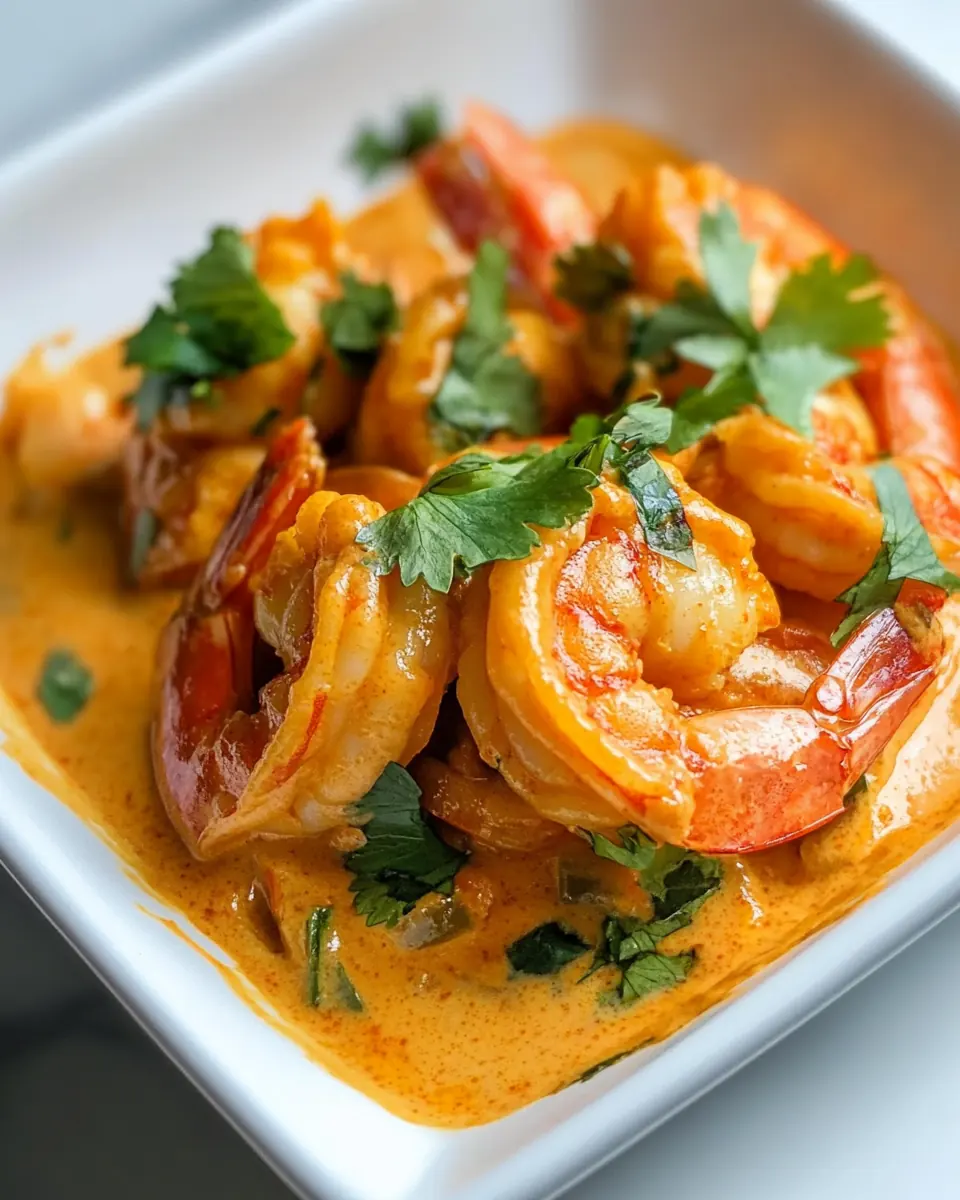
Coconut Chili Shrimp delivers a creamy, spicy, and aromatic experience perfect for an easy weeknight dinner. Succulent shrimp swim in a glossy coconut sauce brightened by lime and fresh cilantro, making it both comforting and vibrant. Quick to prepare and full of bold flavor, it is a reliable go to when you want something impressive without the fuss.
Prep Time 10 minutes
Cook Time 10 minutes
Total Time 20 minutes
Servings: 2 people
Course: Dinner
Cuisine: Asian
Calories: 350

Ingredients
  

  • 1 tablespoon vegetable oil Heat and coat the pan to prevent sticking and provide a neutral base for sautéing aromatics and proteins; vegetable oil helps distribute heat evenly and carries flavors without overpowering them. Use moderate quantity to allow gentle frying of onion and garlic until fragrant and translucent.
  • 1/2 brown onion, coarsely chopped Provide a sweet, savory foundation and add texture when coarsely chopped so it softens during cooking; brown onion contributes depth and caramelized notes that balance spicy and creamy elements. Sauté until softened to release sugars that enrich the sauce.
  • 3 cloves garlic, minced Deliver pungent, aromatic flavor and build savory complexity when minced finely; garlic brightens the dish and melds with chili and coconut for a rounded taste. Add early in cooking to infuse the oil and base sauce with savory aroma.
  • 1 teaspoon ginger, grated Bring warm, citrusy heat and fresh bite when grated; ginger contributes a sharp, slightly spicy contrast to creamy coconut and seafood. Incorporate with aromatics to lift and brighten the overall flavor profile.
  • 2 teaspoons sambal asli, sambal oelek or chili garlic sauce Provide concentrated chili heat and savory umami depending on type used; sambal or chili garlic sauce adds spicy kick and depth to the sauce. Stir in early enough to bloom the chiles and meld their flavor into the coconut cream.
  • 1 teaspoon tomato sauce Add sweet-tangy tomato umami that rounds out acidity and complements spicy and savory notes; tomato sauce contributes a subtle body and balances richness. Use sparingly to avoid overwhelming the delicate shrimp flavor.
  • 1/2 teaspoon turmeric Introduce warm color and an earthy, slightly bitter undertone; turmeric enhances visual appeal and adds subtle background flavor without overpowering. Blend into the sauce so the spice disperses evenly and colors the coconut cream.
  • 200 ml coconut cream Provide rich, velvety body and tropical creaminess that forms the sauce's base; coconut cream offers fat to carry spices and balance heat. Simmer gently to thicken slightly and absorb aromatics for a cohesive sauce.
  • 1 tablespoon fish sauce Contribute salty, savory depth and authentic Southeast Asian umami; fish sauce enhances overall savoriness and deepens the sauce flavor. Add judiciously and taste as it intensifies other seasonings.
  • 1/2 teaspoon sugar Add a touch of sweetness to balance heat, acidity, and salt; sugar rounds flavors and tames bitterness from spices. Dissolve into the sauce to achieve a harmonious flavor profile.
  • 8 ounces large shrimp, peeled and deveined Provide tender, briny protein with a delicate texture that soaks up the sauce; peeled and deveined large shrimp cook quickly and remain juicy. Add near the end of cooking to prevent overcooking and retain succulence.
  • 1 lime, cut into wedges for serving Offer bright acidity and a fresh finish when cut into wedges for squeezing over the finished dish; lime elevates flavors and cuts through richness. Serve alongside so diners can adjust brightness to taste.
  • 1 tablespoon cilantro leaves, for garnishing Provide a fresh herbal finish and visual contrast when used as a garnish; cilantro leaves add grassy, citrusy notes that complement coconut and chili. Sprinkle just before serving to preserve color and aroma.

Equipment

  • Skillet
  • Spatula
  • Measuring Spoons
  • Paper towels

Method
 

  1. Heat a skillet with vegetable oil over medium-high heat. Add the onion, garlic, and ginger, and sauté for 1 minute until fragrant. Then stir in the sambal, tomato sauce, and turmeric. Mix well to combine.: As the oil warms you should see a gentle shimmer across the surface, and a drop of water will sizzle and evaporate on contact. This stage is critical because hot oil efficiently extracts flavor from the onion , garlic , and ginger , producing a fragrant base. If the oil starts smoking, lower the heat right away, as overhot oil will scorch aromatics and yield a bitter backdrop.
  2. Stir in the coconut cream, fish sauce, and sugar, and let the sauce simmer for 2 to 3 minutes until slightly thickened. Taste the sauce and add an additional 1/2 teaspoon of fish sauce if it's too sweet.: Listen for a soft sizzle as the aromatics hit the pan, and inhale the fragrant mix of sweet onion and pungent garlic brightened by warm ginger. The goal is softened, translucent onion , not brown crispness, so stir frequently to prevent sticking. A common error is crowding the pan, which steams rather than sautés, so use a wide skillet for even contact.
  3. Pat the shrimp dry with paper towels and add them to the sauce. Cook for 2 to 3 minutes, or until the shrimp turn pink and opaque. Spoon the sauce over the shrimp while cooking. Turn off the heat, then dish out and serve immediately with lime wedges and cilantro leaves sprinkled on top.: When you add these, the mixture should bubble gently and release a deeper, spiced aroma as the sambal heats and melds with the aromatics. The tomato sauce will add a slight tang and the turmeric will bloom into a golden hue. Stir to coat everything, watching that the chili paste does not stick and burn; if it begins to cling to the pan, add a splash of coconut cream to loosen it.
  4. Mix well to combine: After adding the paste and spices, you will notice the pan becoming more cohesive, with the oil and spice forming a glossy coating on the aromatics. This homogenous base ensures even flavor distribution in the final sauce. If the mixture looks dry, a tablespoon or two of coconut cream will help to create a smooth emulsion and prevent burning.
  5. Stir in the coconut cream, fish sauce, and sugar, and let the sauce simmer for 2 to 3 minutes until slightly thickened: As the coconut cream hits the pan, watch it turn the sauce milky and perfume the kitchen with tropical sweetness. The simmer should be gentle, small bubbles around the edge, and the sauce will reduce slightly, developing a silkier texture. If the heat is too high, the coconut may separate; reduce heat to maintain a stable, glossy sauce.
  6. Taste the sauce and add an additional 1/2 teaspoon of fish sauce if it's too sweet: Taste at this point to balance sweet and savory. If the sauce skews toward sweetness, a measured splash of fish sauce pulls it back and deepens the savory profile. Go slowly because too much can make the sauce salty or overly pungent; you can always add more, but you cannot take it out.
  7. Pat the shrimp dry with paper towels and add them to the sauce: The tactile step of drying the shrimp matters because moisture on the surface will cool the pan and dilute the sauce. Once in the skillet, the shrimp should sizzle on contact, indicating the pan is hot enough to sear and preserve juiciness. Resist shifting them constantly, or they will not develop a pleasant surface texture.
  8. Cook for 2 to 3 minutes, or until the shrimp turn pink and opaque: Listen for a steady, present sizzle and watch the shrimp change from translucent gray to bright pink with a slight curl. They should be just opaque in the center when done, with a springy bite. Overcooking is a frequent pitfall, resulting in rubbery shrimp, so remove them from heat the moment they become opaque.
  9. Spoon the sauce over the shrimp while cooking: As the shrimp finish, continuously spoon the warm sauce over them so each piece picks up the glossy coating and flavor. This basting intensifies the taste and helps the sauce cling, producing an appealing sheen. If the sauce seems too thin, allow a final brief simmer off the shrimp to reduce it slightly before plating.
  10. Turn off the heat, then dish out and serve immediately with lime wedges and cilantro leaves sprinkled on top: Removing the pan from heat prevents carryover cooking that can overcook the shrimp. Serve right away so the sauce is warm and the cilantro retains its fresh aroma. A squeeze of lime at the table brightens each bite. Leaving the dish in the hot skillet will continue cooking the shrimp and may dull the fresh herbal notes.
Notes

  • Tip 1 Adjusting spice If you prefer less heat, reduce the sambal by half and compensate with a touch more tomato sauce or coconut cream to maintain body. Taste early because the spice will mellow once the sauce simmers for a couple of minutes.
  • Tip 2 Thawing shrimp For frozen shrimp, thaw them overnight in the refrigerator or submerge sealed shrimp in cold water for a quicker thaw. Pat thoroughly dry to prevent a watery sauce and uneven cooking.
  • Tip 3 Coconut substitutions Both coconut cream and full fat coconut milk work, but if using coconut milk, prepare a cornstarch slurry of one tablespoon cornstarch mixed with two tablespoons cold water to thicken the sauce while simmering.
  • Tip 4 Balancing sweetness If the sauce tastes too sweet from the coconut cream, add a small extra splash of fish sauce or a squeeze of lime to restore balance. Add incrementally to avoid oversalting.
  • Tip 5 Garnish timing Add chopped cilantro just before serving for maximum aroma, and present lime wedges for guests to finish with acidity at the table. This preserves the herb's bright notes.
  • Tip 6 Preventing separation If the coconut splits, reduce heat immediately and stir gently to reincorporate, or add a teaspoon of warm coconut cream while whisking to re emulsify the sauce.