Go Back
Coconut Curry Shrimp with Coconut Rice

Coconut Curry Shrimp with Coconut Rice

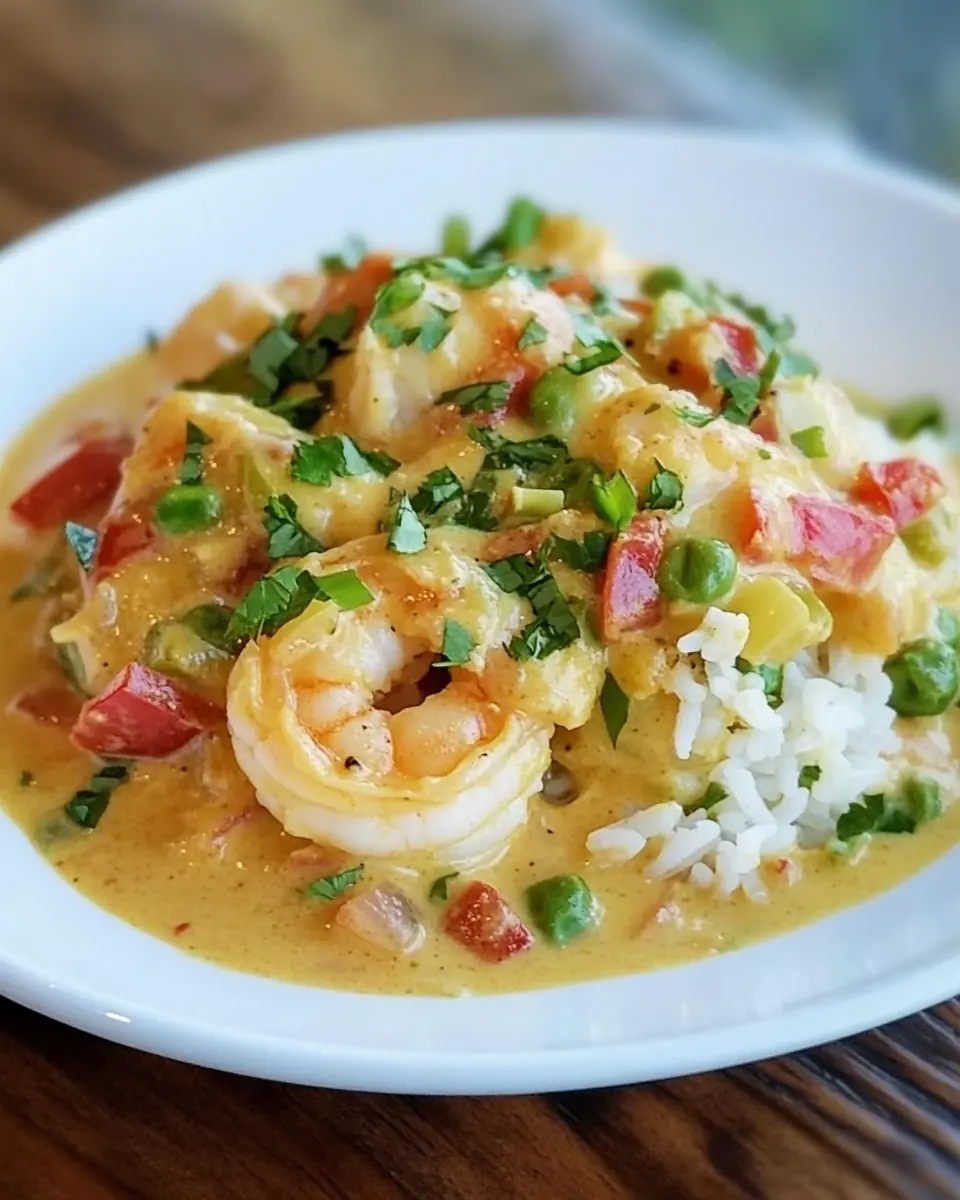
Coconut Curry Shrimp with Coconut Rice is a creamy, fragrant bowl of tender shrimp and spiced vegetables served over coconut infused rice. This easy weeknight dinner blends warm curry, bright tomato, and silky coconut milk for a rich, comforting plate that still feels light. It’s quick to prepare and perfect for when you want a restaurant worthy meal at home.
Prep Time 20 minutes
Cook Time 30 minutes
Total Time 50 minutes
Servings: 4 servings
Course: Dinner
Cuisine: Asian
Calories: 450

Ingredients
  

  • 1 pounds shrimp, peeled and deveined Provide peeled and deveined shrimp as the main protein, contributing sweet, briny flavor and tender texture once cooked. Use about one pound to serve several portions and add near the end of simmering to avoid overcooking. Ensure shrimp are thawed if previously frozen to promote even cooking and proper sauce absorption.
  • 2 tablespoons coconut oil Melt coconut oil to create a fragrant cooking fat that enhances the curry’s coconut notes and helps sauté aromatics. Use it at medium heat to prevent burning while extracting flavors from garlic, ginger, and onions. Choose refined or unrefined depending on desired coconut aroma intensity.
  • 2 cloves garlic, minced Sauté minced garlic to build foundational savory and aromatic flavors in the curry base, adding depth and a subtle pungency. Add early in cooking with ginger and onion to bloom its oils, being careful not to brown excessively to avoid bitterness. Mince finely for even distribution throughout the sauce.
  • 1 teaspoon grated fresh ginger Grate fresh ginger to introduce bright, peppery heat and a warm, slightly floral zing that complements coconut and curry spices. Add early with garlic to release its essential oils and create a balanced aromatic backbone. Use freshly grated rather than powdered for a cleaner, livelier flavor profile.
  • 1 onion, diced Sweat diced onion to provide sweetness and body to the curry, helping to form a caramelized base that balances spices and acidity. Cook until translucent to develop mellow flavor without harshness, then proceed with peppers and tomatoes. Dice uniformly for consistent texture throughout the dish.
  • 1 cup green bell pepper, deseeded, diced Sauté deseeded, diced green bell pepper to add vegetal sweetness, a mild crunch, and a fresh green color contrast to the curry. Add after onions to soften while retaining some texture; deseeding reduces moisture and bitterness. Choose firm peppers for best texture retention during simmering.
  • 2 tomatoes, deseeded, diced Cook deseeded, diced tomatoes to bring acidity, juiciness, and a slight umami richness that brightens the coconut curry sauce. Add after sautéing aromatics so they can break down and meld with spices, helping thicken the sauce and balance richness. Deseeding reduces excess liquid and prevents a watery curry.
  • 2 cardamom pods, crushed Crush cardamom pods to release aromatic, citrusy, and floral notes that elevate the curry’s spice profile and add complexity. Bruise pods slightly to expose the seeds or grind lightly into the sauce for more intensity while keeping pieces visible for flavor pockets. Add early so their oils infuse the cooking liquid.
  • 1 tablespoon curry powder Stir in curry powder to impart the dominant spice character, blending turmeric, cumin, coriander, and other warm spices into the sauce. Toast briefly in oil with aromatics to bloom its flavors before adding liquids. Adjust quantity to taste for desired heat and aromatic strength.
  • 1 teaspoon freshly ground black pepper Grind fresh black pepper to contribute sharp, aromatic heat and subtle piney notes that enhance other spices without overwhelming. Add during cooking to integrate spice evenly into the sauce, and finish with a little more if needed for brightness. Freshly ground pepper offers more potent flavor than pre-ground varieties.
  • 2 teaspoons hot sauce, to taste Incorporate hot sauce to introduce controlled heat and tang, allowing adjustment to personal spice tolerance while boosting overall flavor dimension. Add gradually and taste, since different hot sauces vary widely in heat and acidity. Use as a balancing agent against rich coconut milk if needed.
  • 2 cups seafood or chicken stock Add seafood or chicken stock as the savory liquid base to deepen flavor and provide the necessary moisture for simmering the curry. Use about two cups to create a medium-bodied sauce; choose stock with moderate seasoning to control final saltiness. Warm stock before adding to maintain consistent cooking temperature.
  • 2 cups coconut milk Pour coconut milk to bring rich creaminess and tropical coconut flavor that softens spices and nourishes the sauce. Add in stages to achieve desired creaminess; full-fat coconut milk yields a silkier mouthfeel while light versions reduce richness. Stir gently to incorporate and avoid curdling when simmering.
  • 2 tablespoons fresh cilantro, chopped Chop fresh cilantro to add bright, herbaceous freshness and a lively finish when sprinkled over the completed dish. Add most at the end of cooking or as a garnish to preserve its vibrant flavor and color. Use stems finely chopped if desired for extra herbaceousness without large leaf pieces.
  • 2 cups white rice Rinse and measure white rice to use as the neutral, fluffy base that soaks up coconut-flavored cooking liquid and complements the curry. Use two cups of rice to serve multiple portions and ensure even cooking by using proper rice-to-liquid ratio. Rinse until water runs clear to remove excess starch for separate grains.
  • 2 cups coconut milk Add additional coconut milk to the rice cooking liquid to infuse the grains with creamy coconut flavor and a richer texture. Combine with water for a balanced coconut aroma without overpowering richness; full-fat milk yields a more decadent rice. Stir briefly before simmering to distribute evenly.
  • 1 cup water Pour water to adjust rice cooking liquid volume and ensure proper absorption for tender, separate grains while cooking coconut rice. Combine with coconut milk to achieve the correct total liquid ratio for the rice variety used. Use measured water to maintain consistent texture across batches.
  • 1 tsp salt Season with salt to enhance all flavors, balance sweetness from coconut milk, and bring out savory notes in the shrimp and stock. Add to the rice and curry liquids carefully, tasting as you go to avoid over-salting, since stock and other ingredients may already contain sodium. Adjust final seasoning at the end for perfect balance.

Equipment

  • Large Cast Iron Pan
  • Frying Pan
  • Large saucepan
  • Spatula

Method
 

  1. In a large cast-iron pan or frying pan over medium-high heat, heat the coconut oil. Add the garlic, ginger, onion, bell peppers and tomato.: Listen for a soft hiss as the coconut oil warms, then notice when the minced garlic and grated ginger hit the oil and bloom their aromas, which should be fragrant and slightly sweet within seconds. The diced onion will begin to turn translucent at the edges while the green bell pepper and diced tomato release moisture and add a softer, vegetal note. Stir regularly to ensure even contact with the pan, and watch for the edges of the onion to take on a faint golden tint, which signals caramelization and flavor development. If the aromatics begin to darken too quickly, lower the heat to prevent burning. A common mistake is rushing the cook by using too high a flame, which results in bitter, scorched bits instead of a sweet base.
  2. Cook until tender, about 5 minutes. Add cardamom pods, curry powder, black pepper and hot sauce and stir well. Add shrimp and saute for 5 minutes. Remove shrimp and set aside.: As the vegetables soften, the pan should make a gentle bubbling sound as moisture evaporates. When the mixture is tender, sprinkle in the crushed cardamom pods , the curry powder , freshly ground black pepper , and hot sauce ; the spices will toast briefly and release a warm, toasty perfume that deepens the sauce. Adding the shrimp after the spices lets the seafood pick up flavor without overcooking. You should hear an energetic sizzle as the shrimp hits the pan, and they will turn from translucent gray to opaque pink with a slight curl within a few minutes. Remove them while still tender to avoid a rubbery texture. Do not overcrowd the pan, because steaming the shrimp will prevent proper searing and reduce flavor concentration.
  3. Add stock and coconut milk to sautéed vegetables and reduce over medium heat for approximately 10 to 15 minutes. Return shrimp to stock, add fresh cilantro and simmer for an additional 5 minutes. Serve on a bed of freshly cooked coconut rice.: When you pour in the stock and coconut milk , the pan will loosen and release any browned bits, which is where much of the flavor lives. Bring the liquid to a gentle simmer, and you will see the surface develop small, steady bubbles as it reduces. This reduction concentrates the flavors and thickens the sauce, giving it body and sheen. Return the reserved shrimp to warm through without overcooking, then stir in the chopped cilantro for a bright, herbal finish. A good visual cue is when the sauce coats the back of a spoon with a slightly viscous film. If the sauce reduces too quickly, lower the heat and add a splash more stock , because scorching will impart bitterness.
  4. In a large saucepan over high heat, bring rice, coconut milk, water and salt to a boil, cover and simmer for 20 minutes or until liquid is fully absorbed and rice is fully cooked.: At the start, the pot will sound lively with rolling bubbles as the mixture reaches a full boil. Once it is covered and reduced to a gentle simmer, you should hear only faint bubbling or quiet settling sounds. The grains will absorb the liquid and swell, and after about 20 minutes the surface will look matte and the steam will lessen. Remove the lid and fluff the white rice with a fork to separate the grains and release steam. The rice should be tender yet distinct; if it is still a bit firm, cover and rest off heat for 5 to 10 minutes. Avoid lifting the lid repeatedly during cooking, since that releases steam and can extend the cooking time, producing unevenly cooked rice.
Notes

  • Toast the spices: Briefly toasting the curry powder and crushed cardamom pods in the warm coconut oil before adding liquids releases essential oils and deepens the aroma, making the final sauce richer and more complex.
  • Control the heat: Add hot sauce incrementally and taste as you go so you can tailor the spice level to your preference without overpowering the coconut’s sweetness.
  • Choose the right rice: Use a long grain white rice and rinse it until the water runs clear to achieve fluffy, separate grains that soak up the curry without becoming gluey.
  • Protect the shrimp texture: Cook shrimp just until opaque and slightly curled, then remove them to prevent overcooking during the sauce reduction.
  • Adjust the coconut intensity: If you want a lighter coconut profile, reduce the coconut milk in the rice by one quarter, or for a bolder flavor, use full fat coconut milk in both the rice and the curry.
  • Finish with fresh herbs: Stir in chopped cilantro off the heat to preserve its brightness and prevent the leaves from wilting into the sauce.