In a large pot, saute scallions and garlic in oil. Add tomatoes and saute another minute.: Warmth, sizzle and a bright aromatic burst greet you when the olive oil meets the chopped scallions and garlic . You should hear a gentle hiss and notice the pieces becoming translucent and fragrant, not brown, which means the heat is just right. The reason to start here is to build a base of flavors that will diffuse through the whole pot, lending nuance to otherwise simple ingredients. If you let the garlic brown, it will introduce a bitter note that competes with the delicate herb layers, so keep the flame moderate and stir frequently to avoid hotspots.
Add chicken pieces and season with a little salt. Saute a few minutes, then add yucca and plantain and fill pot with 8 cups water.: As you fold in the chopped tomato , expect a softening and slight release of juices that mingle with the oil to form a gentle, savory paste. The scent shifts toward a rounded, slightly sweet acidity that brightens the pot. This quick saute helps break down the tomato so it integrates seamlessly with the upcoming broth, creating cohesion. A common mistake is overcooking the tomato until it evaporates entirely, which can leave the soup flat, so just a minute is enough to wake its flavors.
Add chicken bouillion, cumin and half of the cilantro and cover pot.: When the chicken hits the pot, you will hear a satisfying contact and begin to notice savory steam rising as the meat seals. Seasoning early helps the flavors penetrate the flesh and the bones start releasing their richness. This technique matters because gentle browning and seasoning at this stage give the stock more complexity once liquid is added. Avoid crowding the pot into a vigorous boil, which can toughen the meat and cloud the broth; moderate heat is your ally.
Simmer on low for about 40 minutes. After 40 minutes, adjust salt and add potatoes, cook an additional 15 minutes.: After briefly saut ing, adding the yucca and plantain introduces starchy companions that will soften and thicken the soup as they cook. Pouring in the measured water transforms the concentrated pan scents into a simmering broth, coaxing flavors out of the bones and vegetables. The visual change from little pools of oil to an entire simmering surface is a helpful cue that extraction has begun. A mistake here is adding too much water arbitrarily which dilutes the final taste, so stick to the specified amount for balanced intensity.
Add corn and cook an additional 7 minutes or until corn is cooked.: Tossing in the bouillion cubes and cumin layers in savory seasoning and gentle earthiness, while the chopped cilantro stems add herbal brightness to the simmer. Covering the pot traps steam so the chicken and starches cook evenly, and the aromas concentrate within the liquid. This technique helps build body without aggressive boiling. Avoid over seasoning at this point; taste later because concentrated flavors can intensify as the stock reduces.
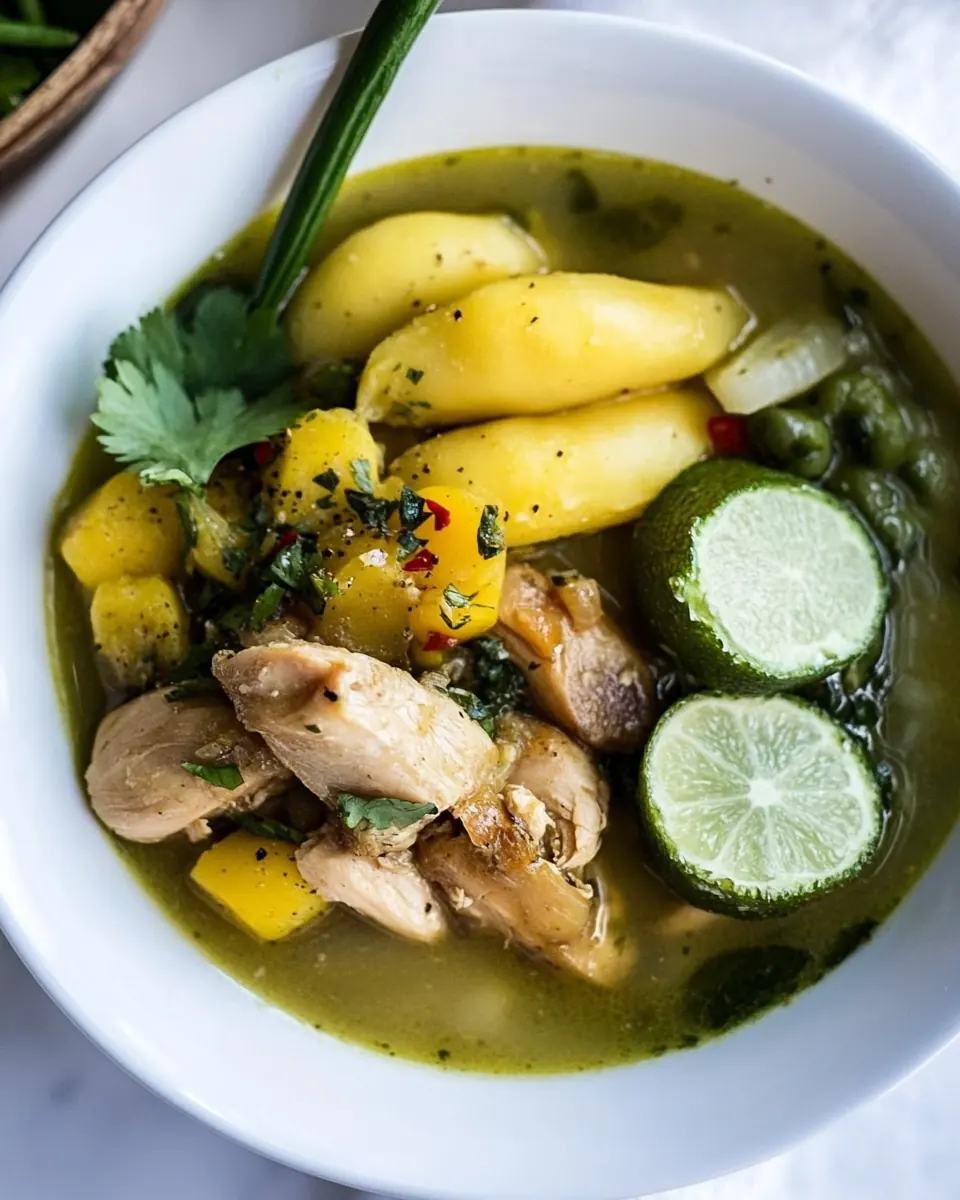
Serve in large bowls, and top with cilantro.: A steady low simmer is where the magic happens, as the broth slowly extracts gelatins and flavors from the chicken bones producing a rounded, silky mouthfeel. You should see the surface occasionally ripple, not violently boil, and the scent will deepen into a warm, homey aroma. This slow approach yields tenderness and prevents the meat from tightening. A frequent error is cranking the heat to finish faster, but that results in tougher meat and a cloudier broth, so maintain a gentle bubble.
After 40 minutes adjust salt and add potatoes cook an additional 15 minutes: At this point the pot smells richly developed, and tasting a spoonful will reveal how the seasonings have concentrated. Adjust salt carefully because the potatoes will absorb some seasoning while they cook. As the potatoes simmer, they release starch and mellow the broth, giving a creamy consistency. Watch for overcooking which will cause the pieces to disintegrate; they should be tender yet intact. If a potato starts falling apart, reduce heat slightly and shorten remaining cook time.
Add corn and cook an additional 7 minutes or until corn is cooked: Adding the corn late preserves its sweet snap and prevents it from going mushy. As the kernels warm, they release a faint sugary perfume and the color brightens, signaling readiness. Texturally, the corn provides a pleasant contrast to the soft starches and tender chicken . Overcooking will dull the corn's freshness and make it sodden, so aim for tender crispness and test by piercing a kernel.
Serve in large bowls and top with cilantro: Serving hot, spoonfuls should present a layered bowl of broth, chunky vegetables and tender chicken , finished with the bright burst of remaining chopped cilantro . The herb on top wakes the senses and contrasts with the warm, savory base. Take note of steam, color and aroma as you plate, because they indicate success. A common oversight is skipping the fresh herb finish, which reduces the lively top note that balances the stew.