Go Back
Cookie Dough Energy Bites

Cookie Dough Energy Bites

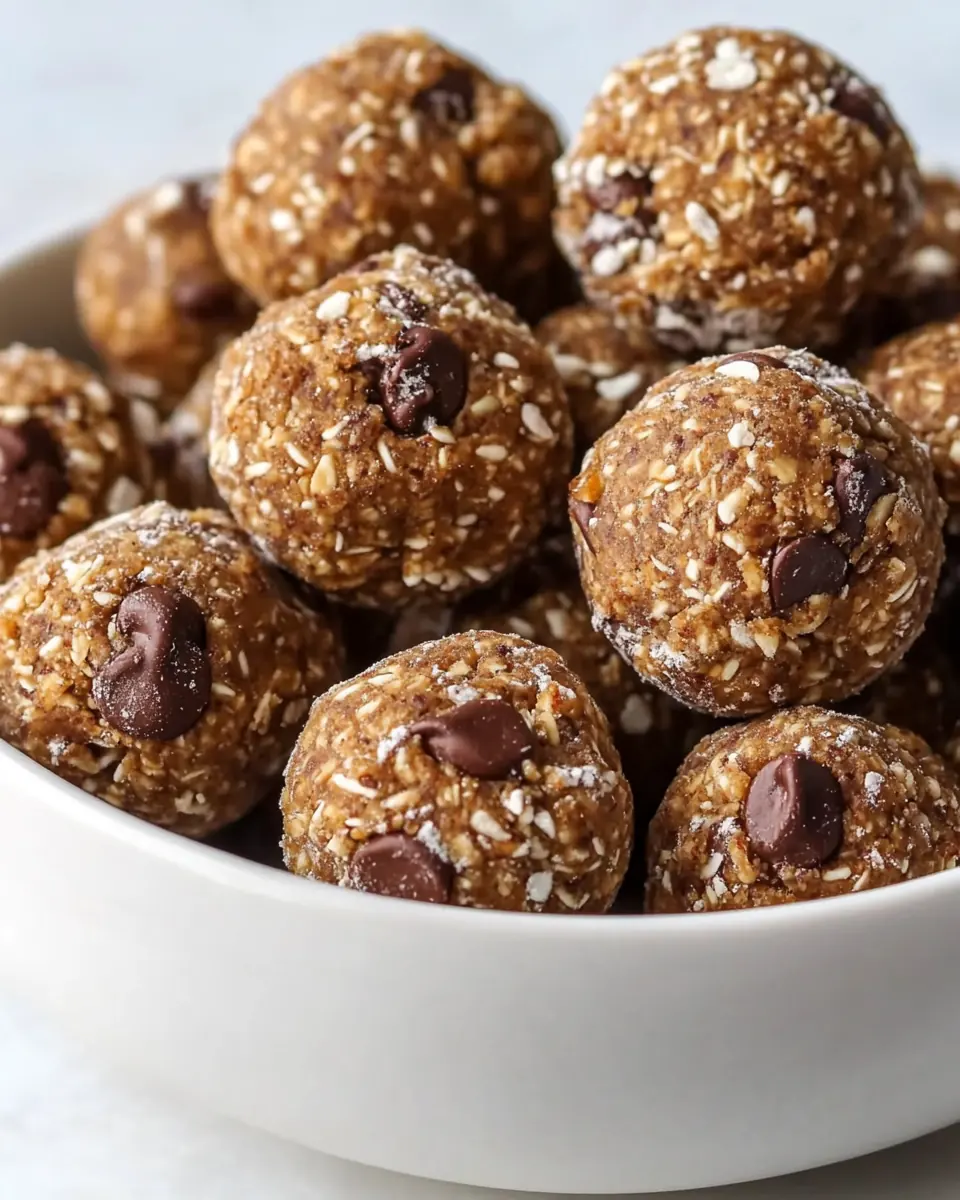
Cookie Dough Energy Bites are creamy, chewy, and easy to make, combining rolled oats, nutty peanut butter, and pops of dark chocolate drops for a snack that feels indulgent yet wholesome. These no bake bites are a great option for an easy snack, quick breakfast addition, or portable treat, perfect for busy days and smart meal prep. Make a batch and enjoy healthy energy on the go.
Prep Time 15 minutes
Total Time 15 minutes
Servings: 20 servings
Course: Desserts
Cuisine: American
Calories: 200

Ingredients
  

  • 2 cups rolled oats Provide a hearty, chewy base and contribute complex carbohydrates for sustained energy; absorbs moisture to bind the mixture and add texture, making the bites filling and substantial.
  • 1 1/2 cups desiccated coconut Add a light, tropical flavor and a tender, slightly chewy texture while helping to bind the mixture; contributes healthy fats and fiber to balance sweetness and improve mouthfeel.
  • 1 cup all-natural peanut butter Offer creamy richness and natural oils that act as the primary binder, holding dry ingredients together; contribute protein and a savory note that enhances the cookie-dough flavor.
  • 1/4 cup honey Supply natural sweetness and a sticky consistency that helps ingredients adhere while adding moisture; also contributes subtle floral notes and balances the nutty flavors.
  • 1/4 cup chia seeds Introduce small bits of fiber and healthy omega-3 fats that add slight crunch and nutritional value; absorb some moisture to help firm the bites and add a nutty taste.
  • 1 teaspoon ground cinnamon Bring warm, aromatic spice that enhances the overall flavor profile and complements the sweetness; used sparingly to avoid overpowering but to add cozy depth to the bites.
  • 1 teaspoon vanilla essence Provide sweet, fragrant flavor that brightens and rounds other ingredients while enhancing the cookie-like aroma; small amount intensifies perceived sweetness without extra sugar.
  • 1/2 teaspoons salt Enhance overall flavor by balancing sweetness and accentuating other tastes while subtly strengthening preservation; used in a small amount to ensure proper seasoning.
  • 1/2 cup dark chocolate drops Contribute pockets of rich, bittersweet chocolate that create contrast in sweetness and texture; melt slightly for gooey bites or remain whole for bursts of chocolate in each bite.

Equipment

  • Food Processor
  • Mixing Bowl
  • Tray

Method
 

  1. Add the oats to the food processor and blend to a coarse crumb.: You will hear a steady, even chopping sound as the rolled oats break down, and the aroma becomes nuttier and more pronounced. Visually the oats should change from whole flakes to small, irregular crumbs, which helps the final texture hold together without becoming gummy. This step matters because finer oats can make the bites too dense, while larger flakes will prevent proper binding. If the processor overheats from long pulses, give it a pause to cool, and avoid running it continuously for more than a minute at a time.
  2. Add the rest of the ingredients to the food processor. Blend it all together until it's smooth.: As the machine resumes, the mix will shift from dry crumbs to a glossy, cohesive mass as the all natural peanut butter and honey meld with the crumbs and desiccated coconut . You will notice the sound change to a quieter, more uniform hum, and the bowl will show a stickier, slightly shiny dough clinging to the sides. This texture is crucial so the bites hold shape while remaining tender. A common mistake is over blending, which can overheat the oils and make the mixture too loose, so pulse and scrape down the sides to ensure even mixing.
  3. Break off chunks of the dough and roll it into balls, squeezing as you go. Repeat until you have finished all the dough.: The dough should feel slightly tacky but firm enough to hold its form as you press and roll. I find that using the heels of my palms and a gentle squeeze produces smooth, compact spheres with minimal cracking. Listen for the subtle squish as you compact the centers, and watch how the surface becomes uniformly covered if you used sticky peanut butter . If the mixture sticks excessively to your hands, chill it briefly to firm up, or oil your palms lightly. Avoid overworking the dough which can release too much oil and change the mouthfeel.
  4. Repeat until you have finished all the dough: As you roll successive bites, your technique will refine and the balls will become more consistent in size and texture. You may notice the dough firms slightly from the warmth of your hands, so rotating between rolling and placing them on a tray helps maintain shape. This repetition matters because uniform size ensures even chilling and a balanced eating experience. If you run out of mix before reaching your target yield, check if you measured ingredients accurately, as slight variances in peanut butter thickness affect yield. Do not compress them so tightly that they lose a pleasant inner tenderness.
Notes

  • Swap nut butters by using almond or cashew butter for a different nutty profile, keeping the same volume to maintain binding.
  • Increase protein by stirring a tablespoon of your preferred unflavored protein powder into the mixture, which slightly firms the dough and boosts satiety.
  • Make them seed forward by replacing half the chia seeds with ground flaxseed for an earthier texture and additional omega three benefits.
  • Boost coconut flavor by swapping half the desiccated coconut for shredded coconut, which creates a chewier mouthfeel and a more tropical aroma.
  • Swap sweeteners by using maple syrup instead of honey for a vegan friendly option, noting that maple may be slightly looser so you might need a touch more oats.
  • Add spices such as a pinch of cardamom or a little freshly grated nutmeg to complement the cinnamon and add a warm, aromatic twist.
  • Layer textures by rolling finished bites in extra desiccated coconut or cocoa powder for a decorative finish and added crunch or cocoa bite.